


Used Transmission: A Complete Buyer’s Guide for Smart Vehicle Owners
Introduction
Replacing a vehicle’s gearbox can feel overwhelming, especially when new components come with a high price tag. Choosing a used transmission can be a practical and budget-friendly alternative when done correctly. With proper research, buyers can secure dependable performance, extend vehicle life, and avoid unnecessary expenses. This guide explains everything you need to know—from understanding how gearboxes work to selecting the right unit, checking quality, and maintaining it for long-term reliability.
Understanding How a Vehicle Transmission Works
A transmission transfers power from the engine to the wheels, allowing a vehicle to change speeds smoothly. Manual and automatic systems achieve this in different ways, but both rely on precision components such as gears, clutches, torque converters, and hydraulic systems. When any of these parts fail, performance suffers through slipping gears, delayed shifts, or complete loss of drive.
Because transmissions are complex and costly to manufacture, replacement often becomes one of the most expensive automotive repairs. This is where reconditioned or pre-owned options become attractive for many drivers seeking value without sacrificing functionality.
Why Consider a Pre-Owned Gearbox Instead of New
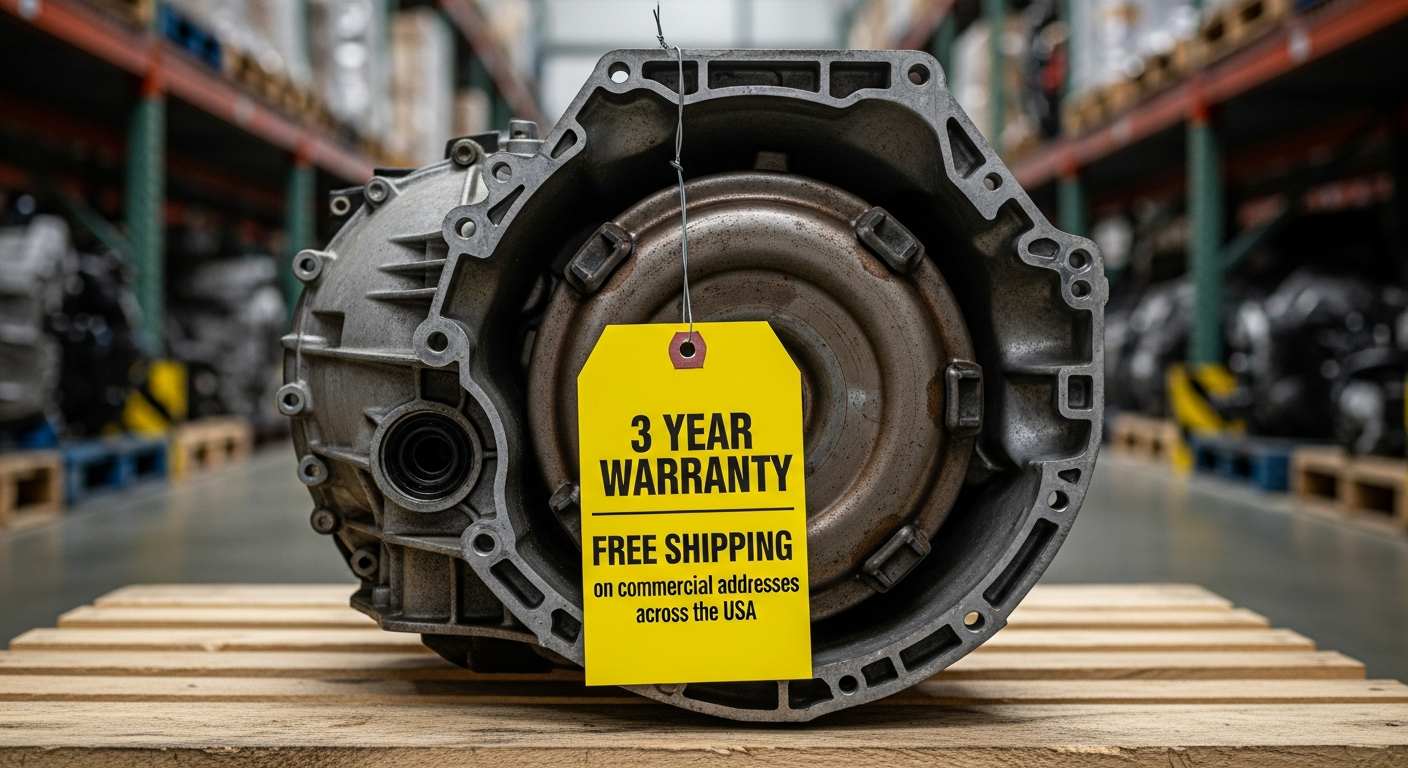
New transmissions offer factory freshness but at a premium cost. In contrast, a used transmission sourced from a low-mileage or well-maintained vehicle can deliver comparable performance at a fraction of the price. Many are removed from vehicles involved in accidents where the drivetrain remained unaffected.
Other advantages include faster availability, compatibility with older models, and reduced environmental impact by reusing automotive components rather than producing new ones. For daily drivers, work vehicles, and older cars, this approach often makes the most financial sense.
Key Factors to Check Before Buying
Before purchasing any replacement gearbox, several important checks can prevent future headaches:
-
Vehicle Compatibility – Ensure the unit matches your vehicle’s make, model, year, engine size, and drivetrain configuration.
-
Mileage History – Lower mileage usually indicates less internal wear.
-
Inspection and Testing – Reputable suppliers pressure-test, inspect seals, and check shifting performance.
-
Warranty Coverage – A warranty provides peace of mind against unexpected issues.
-
Fluid Condition – Clean, non-burnt fluid is a positive sign of healthy internals.
Being thorough at this stage significantly reduces the risk of premature failure.
Signs of a Failing Gearbox
Understanding symptoms of transmission trouble can help you act before complete breakdown. Common warning signs include rough or delayed shifting, unusual noises, fluid leaks, dashboard warning lights, or burning smells. Addressing these symptoms early may allow for repair, but when damage is extensive, replacement becomes the most reliable option.
The Role of Professional Installation
Even a high-quality gearbox can fail if installed incorrectly. Professional installation ensures proper alignment, correct fluid levels, and calibration of electronic controls. Mechanics also inspect related components like mounts, driveshafts, and cooling lines to prevent future problems.
Skipping professional installation may save money initially but often leads to higher costs later due to improper fitment or damage during setup.
Where Reliable Suppliers Make a Difference
Sourcing from a trusted supplier is just as important as the part itself. Established providers work with certified recyclers, perform detailed inspections, and offer customer support throughout the buying process. In the middle of your research, you may come across turbo auto parts, known for connecting buyers with tested automotive components and offering guidance to match the right unit to specific vehicle requirements. Reliable sourcing minimizes risk and ensures long-term satisfaction.
Later in your evaluation process, comparing suppliers like turbo auto parts can help you assess pricing transparency, warranty terms, and shipping options. Choosing a seller with a strong reputation often means better support after the sale.
Maintenance Tips to Extend Lifespan
Once installed, proper care can dramatically extend gearbox life. Regular fluid changes, avoiding aggressive driving, and addressing minor issues promptly all contribute to longevity. Keeping the cooling system in good condition is also critical, as overheating is a common cause of transmission failure.
Following manufacturer-recommended service intervals and using the correct fluid type ensures smooth operation and reduces wear on internal components.
Environmental and Economic Benefits
Reusing automotive components reduces waste and conserves resources required for manufacturing new parts. Choosing a used transmission supports sustainable practices while keeping vehicles on the road longer. Economically, it allows owners to allocate savings toward other maintenance needs, improving overall vehicle reliability.
Final Thoughts
Selecting the right gearbox replacement requires research, careful inspection, and a trustworthy supplier. When chosen wisely, a used transmission can deliver dependable performance, cost savings, and environmental benefits without compromising drivability. Working with established providers such as turbo auto parts at the final stage of purchase ensures access to tested units, warranties, and professional guidance—making the entire process smoother and more reliable for vehicle owners.

 English
 Arabic
 Français
 Español
 Português
 Deutsch
 Türkçe
 Dutch
Dutch
 Russian
 Romaian