Introduction
Construction work can improve homes, offices, and commercial spaces. A renovation may create a better living area while a new building project can increase property value. Yet every construction project leaves behind waste. Dust, broken materials, packaging, wood pieces, concrete, and metal scraps often remain after the main work finishes. Many people focus on the building phase but forget the cleanup process. Leftover debris can affect safety, appearance, and comfort. A proper cleanup plan helps transform a construction site into a usable space. Understanding the importance of post project cleaning can help property owners manage waste in a better way.
Why Construction Projects Create Large Amounts of Waste
Even small renovations produce more debris than expected. Replacing floors creates old material waste. Wall repairs generate dust and broken pieces. Roofing projects leave damaged materials behind. New builds often produce packaging waste from equipment and supplies. Construction teams focus on completing the project, which means waste may pile up quickly. Without a cleanup strategy, spaces remain difficult to use after work ends. Removing debris is an important final step before enjoying a completed property.
Understanding What Happens After Building Work Ends
Many people believe cleanup only means sweeping floors or removing visible rubbish. The process is usually more detailed. Dust settles on surfaces, small particles spread through rooms, and heavy materials remain on site. Hidden debris can affect indoor air quality and make spaces unsafe. A full cleanup often involves sorting materials, collecting waste, and ensuring proper disposal. This step helps prepare the property for daily use.
Common Types of Construction Waste Found on Sites
Building projects create different forms of waste depending on the work involved. Some materials appear in almost every project. Understanding these categories helps property owners know what may require removal.
Wood and Timber Waste
Wood offcuts often remain after framing or furniture installation projects. Broken boards and leftover timber pieces can occupy significant space if not removed quickly.
Concrete and Brick Debris
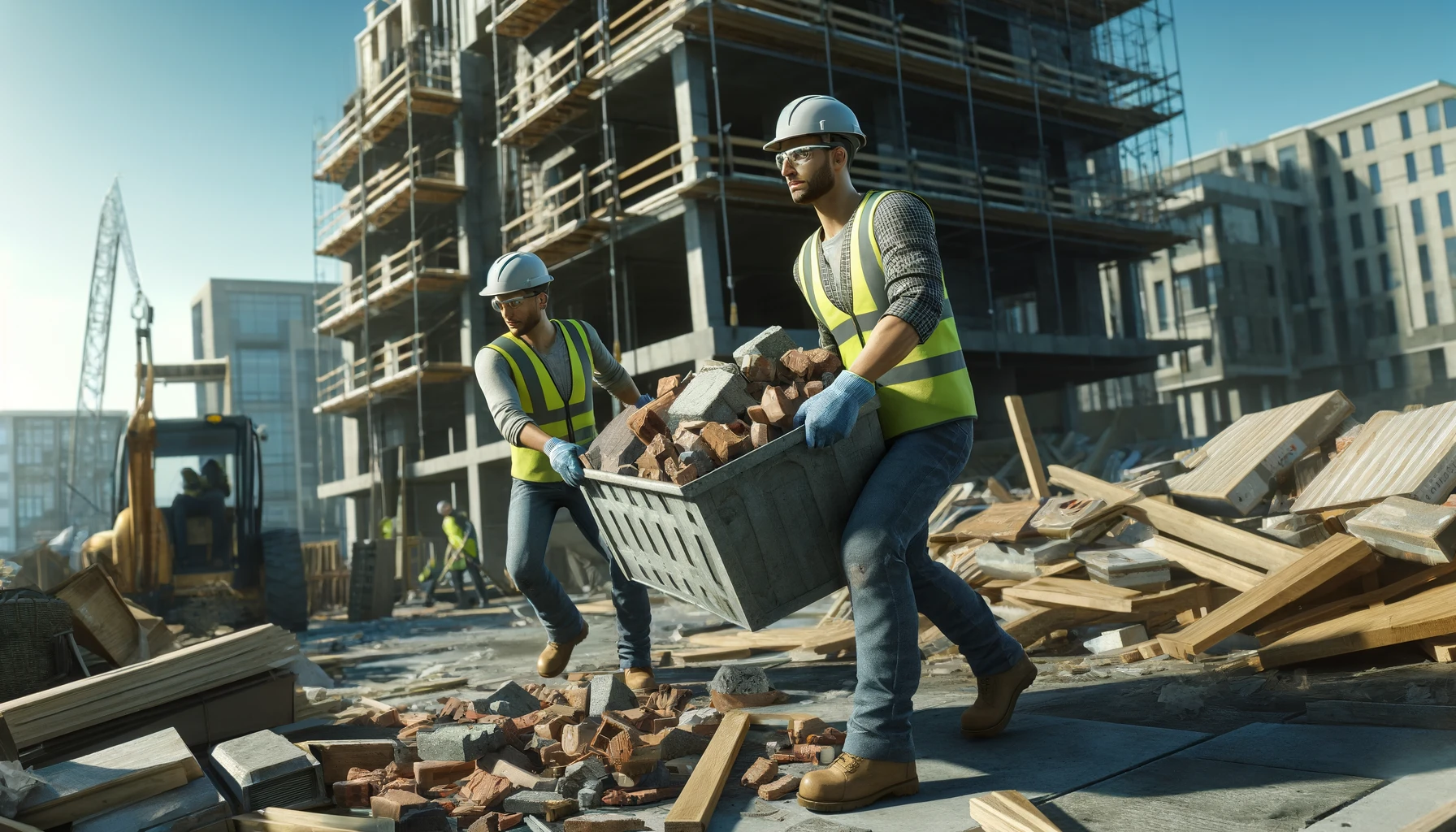
Demolition work commonly creates heavy materials including concrete chunks and broken bricks. These items require proper handling because of their weight.
Metal Scraps
Construction often involves metal pipes, wiring, fixtures, and structural materials. Certain metals can be recycled, supporting sustainable disposal practices.
Packaging Materials
Boxes, plastic wrapping, and protective coverings accumulate during deliveries of building supplies. Packaging waste can fill large areas surprisingly fast.
Dust and Fine Particles
Dust is one of the most common results of renovation work. It spreads easily and may settle throughout a property, requiring thorough cleaning.
Why Delaying Cleanup Can Cause Problems
Leaving debris on site may create several issues. Sharp materials can increase injury risks. Heavy waste may block pathways and reduce accessibility. Dust buildup can affect comfort and cleanliness. Delays may also slow occupancy because properties remain unsuitable for regular use. Quick cleanup supports safer environments and allows people to enjoy completed spaces sooner.
The Importance of Safety After Construction Projects
Safety remains one of the biggest reasons for proper cleanup. Loose nails, broken materials, and scattered debris can become hazards. Families with children face higher risks if dangerous materials remain accessible. Workplaces also require safe environments before employees return. A clean property helps reduce accidents and creates more comfortable surroundings.
How Builders Waste Removal Supports Efficient Property Use
A finished project only feels complete when the area becomes clean and organised. Removing leftover materials helps restore functionality. Homeowners can begin using renovated spaces sooner. Businesses can reopen work areas without unnecessary delays. Efficient cleanup supports faster transitions from construction sites to usable environments.
Environmental Benefits of Responsible Disposal Practices
Sustainability continues to influence how people manage waste. Construction materials often contain recyclable components. Wood, metal, and certain plastics may be processed for reuse instead of entering landfills. Responsible disposal supports resource conservation and reduces environmental impact. Property owners increasingly prefer services that prioritise environmentally conscious methods.
Why Renovation Cleanup Is Different From Standard Waste Removal
Renovation projects often involve heavier materials and fine dust. Standard household disposal methods may not handle these challenges effectively. Construction waste requires different handling techniques because of size, weight, and safety concerns. Understanding these differences helps property owners choose appropriate solutions.
Preparing for Cleanup Before Construction Finishes
Planning ahead can improve efficiency. Scheduling cleanup services before project completion may reduce delays. Sorting materials during construction can simplify disposal later. Clear communication with contractors also helps identify expected waste levels. Early planning supports smoother transitions once work ends.
Common Mistakes Property Owners Make After Renovations
One common mistake is underestimating cleanup requirements. People often assume they can manage large amounts of debris without assistance. Another issue involves delaying waste removal for weeks or months. Waiting too long may increase clutter and create additional stress. Ignoring recycling opportunities can also lead to less sustainable outcomes.
How Professional Cleanup Improves Property Appearance
Appearance matters after construction projects. Dust covered surfaces and scattered materials may hide the quality of completed work. Thorough cleaning reveals improvements and helps properties look finished. Clean spaces often create stronger impressions for homeowners, clients, and visitors.
The Role of Debris Removal in Commercial Projects
Businesses completing renovations often face time pressure. Delayed cleanup may interrupt operations or postpone reopening. Efficient debris removal helps restore productivity and minimise disruption. Organised workspaces support smoother business activities and better customer experiences.
When It Is Best to Schedule Cleanup Services
Timing affects efficiency. Immediate cleanup after project completion often produces better results because waste has not spread further. Early removal prevents debris accumulation and supports quicker property use. Planning schedules around construction timelines may improve convenience.
Frequently Asked Questions
What happens to building waste after collection
Collected materials are often sorted. Recyclable items may go through processing while other waste follows approved disposal methods.
Can heavy materials like concrete and bricks be removed
Yes many services handle heavy debris including concrete, bricks, and similar construction materials.
How long does cleanup usually take
Time depends on project size and waste volume. Smaller projects may finish quickly while larger sites need more work.
Is dust removal included in post project cleaning
Many cleanup processes include removing fine particles and dust left behind after building work.
Why is recycling important for construction materials
Recycling helps reduce landfill use and supports environmental sustainability by reusing valuable resources.
Final Thoughts
Construction projects create excitement because they improve properties and increase functionality. Yet waste left behind can delay enjoyment of completed spaces. Proper cleanup improves safety, appearance, and comfort while helping properties become fully usable again. Responsible disposal methods also support environmental goals and reduce unnecessary waste. Managing debris effectively is an important part of every renovation or building project. Companies such as Qaswa Logistics help support cleaner outcomes through efficient solutions that make post construction spaces easier to enjoy.




 Arabic
 Français
 Español
 Português
 Deutsch
 Türkçe
 Dutch
Dutch
 Italiano
 Russian
 Romaian