


Sleep Hacks from Andrew Huberman: Neuroscience-Based Evening Routines
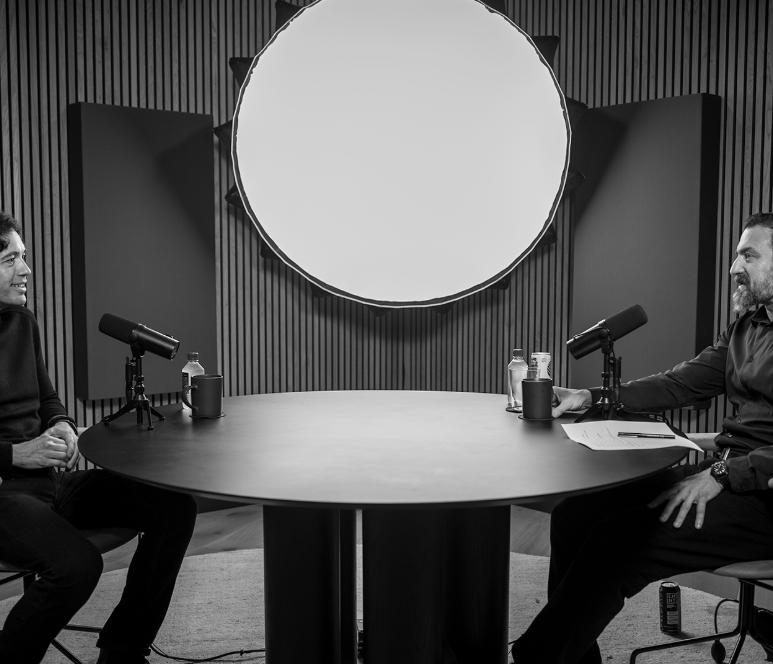
You have tried everything—warm milk, lavender sprays, counting sheep—and still you lie awake staring at the ceiling. Andrew Huberman, Stanford neurobiology professor, understands your frustration. Most sleep advice is based on tradition or wishful thinking, not on how your brain actually works. Huberman approaches sleep like an engineer debugging a faulty circuit. He has identified specific evening routines that target the neural mechanisms controlling sleep onset and maintenance. These are not vague suggestions. They are precise, actionable hacks grounded in the neuroscience of circadian rhythms, body temperature, and neurochemistry. Here is how to build an evening routine that actually works with your brain instead of fighting it.
The Sunset Light Dimming Protocol
Your brain needs a clear signal that day is ending. Huberman explains that the most powerful signal is the absence of bright, blue-rich light. Starting two to three hours before your target bedtime, begin dimming the lights in your environment. Switch from overhead LEDs to lamps with lower color temperature. Use candles or red bulbs if possible. Put your phone and computer into night mode, ideally with the screen so dim it looks orange. This gradual dimming mimics the natural light transition of sunset, telling your master clock that melatonin production should begin. Huberman calls this the “light sunset protocol.” He warns that even ten minutes of bright overhead light during this window can delay your sleep onset by an hour or more.
The Warm-to-Cool Temperature Cascade
Your body temperature follows a predictable daily rhythm, and you can use it to hack your sleep. To fall asleep, your core body temperature needs to drop by one to three degrees. The most efficient way to trigger this drop is a warm-to-cool cascade. Take a hot bath or shower for ten to twenty minutes, finishing about ninety minutes before bed. The hot water pulls blood to your skin’s surface. When you step out, that heat radiates away rapidly, causing your core temperature to plummet. Huberman notes that the ninety-minute window is critical. Too close to bed, and the initial warming phase keeps you awake. Too early, and the temperature drop happens before you are ready to sleep. Combine this with a cool bedroom—around 65 to 68 degrees Fahrenheit—and you have created the ideal thermal environment for deep sleep.
The Non-Sleep Deep Rest Pre-Bed Buffer
Many people try to go directly from frantic activity to sleep, which is like slamming on the brakes at a red light. Huberman recommends a ten to twenty minute buffer of Non-Sleep Deep Rest, or NSDR, immediately before you get into bed. Lie down on a couch or a yoga mat, close your eyes, and do a slow body scan from your toes to the top of your head. The goal is not to fall asleep but to enter a state of calm wakefulness. This practice lowers your heart rate, reduces cortisol, and shifts your nervous system toward the parasympathetic branch. Huberman explains that NSDR also increases the amount of slow-wave sleep you will get later in the night. There are free guided NSDR scripts and recordings available online, or you can simply breathe slowly and notice your body.
The Caffeine Cutoff Rule of Thumb
Caffeine is a useful tool, but it is also one of the most common sleep disruptors. Huberman teaches a simple rule of thumb based on the half-life of caffeine, which is about five hours for most people. If you drink a cup of coffee at 2 p.m., half of that caffeine is still in your system at 7 p.m. A quarter remains at midnight. Even if you fall asleep, that residual caffeine fragments your sleep architecture, reducing deep sleep and REM sleep. Huberman recommends a caffeine cutoff of at least eight to ten hours before bedtime. For someone who sleeps at 10 p.m., that means no caffeine after noon or 2 p.m. at the latest. He notes that individual sensitivity varies, so experiment with earlier cutoffs if you still struggle with sleep.
The Alcohol Paradox and Sleep Fragmentation
Alcohol makes you feel sleepy, but Huberman warns that this is a trap. Alcohol is a sedative, not a sleep aid. It works by depressing your nervous system, helping you fall asleep faster. However, as your body metabolizes the alcohol over the next few hours, it produces a rebound effect. Your sleep becomes fragmented, your heart rate rises, and your REM sleep is suppressed. The result is a night of light, unrefreshing sleep followed by grogginess the next morning. Huberman’s advice is straightforward: if you drink alcohol, finish at least three hours before bedtime, and keep intake moderate. One drink has a measurable effect. Two drinks significantly fragment sleep. Three or more essentially guarantee poor sleep quality, no matter how long you stay in bed.

The Anxiety Dump: Journaling to Quiet the Mind
A racing mind is one of the biggest barriers to sleep. Huberman suggests a specific journaling protocol called the anxiety dump. About two hours before bed, take five minutes to write down everything that is worrying you, everything you need to remember for tomorrow, and everything you wish you had done differently today. Do not organize it or try to solve problems. Just dump it onto the page. Then close the notebook and put it aside. This simple act transfers the cognitive load from your brain’s limited working memory to an external storage system. Huberman cites research showing that this practice reduces sleep onset time by an average of fifteen minutes. The key is consistency. Doing it every night trains your brain to offload worries automatically, breaking the loop of bedtime rumination.
Mouth Taping for Nasal Breathing
One of Andrew Huberman more unusual recommendations is mouth taping. Chronic mouth breathing during sleep leads to snoring, dry mouth, and fragmented sleep. It also bypasses the nasal passage, where nitric oxide is produced. Nitric oxide dilates blood vessels and improves oxygen exchange. To train yourself to breathe through your nose at night, place a small piece of medical tape vertically over your lips. The tape should be just strong enough to keep your mouth closed but weak enough that you can easily open your mouth if you need to. Huberman has used this technique for years and reports deeper sleep and fewer morning headaches. He recommends trying it for one week as an experiment. If you feel claustrophobic or have nasal congestion, address the congestion first with saline spray or a neti pot before attempting mouth taping.

 English
 Arabic
 Français
 Español
 Português
 Deutsch
 Türkçe
 Dutch
Dutch
 Russian
 Romaian