


Acne Solutions: A Dermatologist's Guide
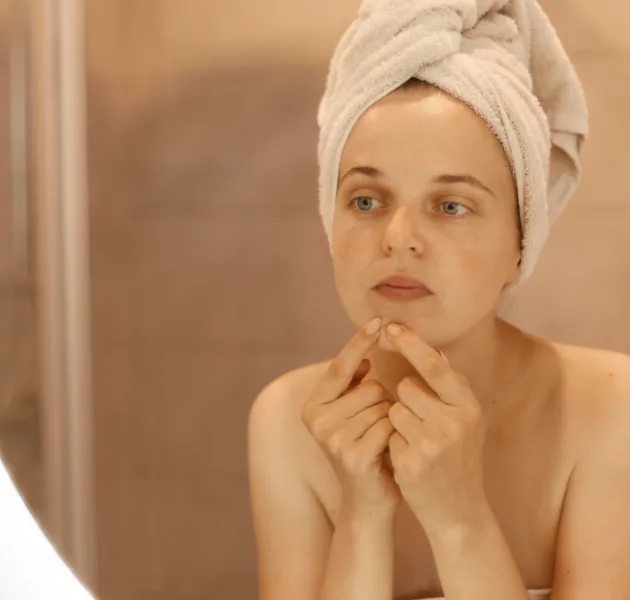
Acne is one of the most common skin concerns, affecting people of all ages, not just teenagers. While it's often considered a rite of passage during puberty, many adults continue to struggle with breakouts well into their 30s, 40s, or beyond. The good news? Acne is treatable and with the right dermatological approach, most cases can be effectively managed. In this blog we will walk through a guide of the best skin specialist in Gurgaon for effective acne solutions. Stay tuned for further information.
What Causes Acne?
Acne is a skin condition that occurs when hair follicles become clogged with oil (sebum), dead skin cells, and bacteria. This results in various types of breakouts such as blackheads, whiteheads, pimples, or cysts. Here are some of the key causes of acne mentioned below:
-
Excess Sebum Production
-
Clogged Pores
-
Bacterial Overgrowth (Cutibacterium acnes)
-
Hormonal Changes (especially androgens)
-
Genetics
-
Diet and Lifestyle
-
Stress
-
Use of Comedogenic Skincare Products
Types of Acne
Here are some of the different types of acne mentioned below:
-
Blackheads: Also known as open pores clogged with sebum and dead skin, exposed to air and oxidized.
-
Whiteheads: Also known as Closed pores that remain under the skin surface.
-
Papules: They appear to be small red, and tender bumps.
-
Pustules: They are papules with pus at the tip.
-
Nodules: They are large, painful, solid lumps beneath the skin.
-
Cysts: They are deep, pus-filled lesions that can scar.
Dermatologist-Approved Acne Treatments
Here are the most common and effective acne solutions recommended by dermatologists are mentioned below:
Topical Treatments: Examples of such topical treatments are mentioned below:
-
Retinoids:
-
Unclog pores and reduce inflammation
-
Help prevent new acne and fade dark spots
-
May cause dryness or irritation initially
-
Benzoyl Peroxide
-
Kills acne-causing bacteria
-
Available in gels, washes, and creams
-
Best for inflammatory acne (pustules and papules)
-
Salicylic Acid
-
A beta-hydroxy acid (BHA) that exfoliates inside pores
-
Ideal for blackheads and whiteheads
-
Topical Antibiotics (e.g., Clindamycin, Erythromycin)
-
Reduce bacteria and inflammation
-
Often combined with benzoyl peroxide to prevent resistance
Oral Medications
-
Oral Antibiotics (e.g., Doxycycline, Minocycline)
-
Used for moderate to severe acne
-
Short-term use to avoid bacterial resistance
-
Hormonal Therapy
-
Birth control pills help regulate androgens in women
-
Spironolactone reduces oil production in women with hormonal acne
-
Isotretinoin (Accutane)
-
A powerful vitamin A derivative for severe, cystic acne
-
Shrinks oil glands and permanently reduces sebum production
-
Requires close monitoring due to potential side effects (dry skin, liver impact, pregnancy risks)
In-Clinic Dermatological Procedures
-
Chemical Peels
-
Use acids like salicylic, glycolic, or mandelic to exfoliate and clear pores
-
Also improves skin texture and post-acne marks
-
Laser and Light Therapy
-
Kills acne-causing bacteria and reduces oil production
-
Blue light therapy, IPL, and fractional lasers are commonly used
-
Extraction of Comedones
-
Safe, sterile removal of blackheads and whiteheads
-
Helps prevent future breakouts
-
Steroid Injections
-
Reduce swelling and pain in large cysts or nodules
-
Provide rapid relief for painful lesions
Lifestyle Tips for Acne Prevention and Management
Here are some of the dermatologist’s recommended lifestyle tips for acen prevention and management is mentioned below:
-
Skincare Tips:
-
Cleanse twice daily with a gentle, non-comedogenic face wash
-
Use oil-free moisturizers with ingredients like niacinamide or ceramides
-
Avoid over-exfoliating, which can irritate the skin
-
Use non-comedogenic sunscreen daily
-
Avoid touching or picking at your acne
-
Dietary Adjustments:
-
Reduce intake of dairy and high-glycemic foods (like sugar, white bread)
-
Incorporate omega-3-rich foods, fruits, and vegetables
-
Stay hydrated
-
Stress Management:
-
Practice mindfulness, exercise, and good sleep hygiene
-
Chronic stress can worsen acne by increasing cortisol levels
Clear Skin is Possible, Visit Dr. Niti Gaur at Citrine Clinic today!
Acne can feel frustrating, but it’s important to remember that you are not alone and you are not powerless. With the right combination of medical treatment, skincare, and lifestyle support, clearer skin is achievable for almost everyone. If you are struggling with acne then it’s time to consult with the Best Dermatologist in Gurgaon, Dr. Niti Gaur. For more information, book an appointment at Citrine Clinic today!

 English
 Français
 Español
 Português
 Deutsch
 Türkçe
 Dutch
Dutch
 Italiano
 Russian
 Romaian