


Diarrhea After Eating: Causes and Solutions
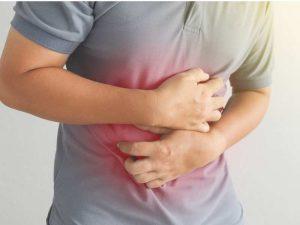
Postprandial diarrhea (PD) refers to Diarrhoea After Eating. It can arise suddenly, causing discomfort or pain until a bowel movement relieves the symptoms. Several factors may contribute to PD, such as infections, recent antibiotic use, or gastrointestinal conditions like inflammatory bowel disease (IBD).
PD is fairly common, but pinpointing its exact cause can be challenging because it might indicate an underlying health issue or occur without a specific reason. Diarrhea is classified as either acute or chronic based on the duration of symptoms. Acute diarrhea typically lasts for a few days to weeks, while chronic diarrhea persists for several weeks or months.
This overview explores the potential causes of both acute and chronic PD, along with possible treatments and preventive measures a person can take to manage the condition effectively.
How common is diarrhea after eating?
The frequency of diarrhea after eating can vary based on its underlying cause. Here are the prevalence rates for some common conditions linked to postprandial diarrhea:
-
Food poisoning: Affects about 1 in 6 people annually.
-
Lactose intolerance: Impacts roughly 5% of people of northern European descent and up to 90% of those of Hispanic, African, or Asian descent.
-
Inflammatory bowel disease (IBD): Around 3 million U.S. adults report living with IBD.
-
Irritable Bowel Syndrome (IBS): Affects 10-15% of people worldwide, making it the most common GI disorder diagnosed by gastroenterologists.
-
Antibiotic side effects: Approximately 9.6% of people experience antibiotic-associated diarrhea.
-
Celiac disease: Affects about 1% of Americans (1 in 133 people).
Primary Causes of Diarrhea After Eating
Here are some key causes of postprandial diarrhea:
-
Food Poisoning: One of the primary factors leading to diarrhea after meals is food poisoning, which can result from consuming food contaminated with bacteria such as Shigella, Campylobacter, or Salmonella.
-
Lactose Intolerance: Individuals with lactose intolerance may experience diarrhea after consuming dairy products due to a deficiency of the enzyme required to break down lactose, the sugar found in milk.
-
Sugar Malabsorption: This condition occurs when the body struggles to absorb certain sugars, like fructose and sorbitol. Many foods, especially fruits and those containing artificial sweeteners, can trigger diarrhea in susceptible individuals.
-
Inflammatory Bowel Disease (IBD): Chronic conditions like Crohn’s disease and ulcerative colitis fall under IBD. They involve inflammation in the intestines due to the immune system attacking beneficial bacteria, leading to symptoms such as pain, fever, and frequent bowel movements.
-
Bile Acid Diarrhea: Excess production of bile, a digestive fluid, can cause diarrhea if not adequately reabsorbed by the body. This condition may arise from issues related to the small intestine, pancreas, or gallbladder.
-
Colon Cancer: While not always the case, chronic diarrhea can indicate colon cancer. Symptoms such as alternating constipation and explosive diarrhea, along with mucus or blood in stools and unintended weight loss, warrant medical attention.
-
Irritable Bowel Syndrome (IBS): IBS can lead to diarrhea or constipation, often accompanied by abdominal pain after eating. Notably, digestive tract issues may not be present in cases of diarrhea due to IBS.
-
Pancreatic Exocrine Insufficiency: This condition occurs when the pancreas fails to produce enough digestive enzymes, potentially resulting in diarrhea, abdominal pain, weight loss, and reduced appetite.
Soulutions to Diarrhea After Eating
To manage postprandial diarrhea, identify and eliminate food triggers, stay hydrated, and consider over-the-counter anti-diarrheal medications. Probiotics may help restore gut balance, and stress management techniques like yoga can alleviate symptoms. If diarrhea persists or worsens, consult a healthcare provider for further evaluation and treatment, especially for underlying conditions like inflammatory bowel disease or pancreatic insufficiency. Regular check-ups are crucial for ongoing health monitoring. Implementing these strategies can improve digestive health and reduce discomfort after eating.

 English
 Arabic
 Français
 Español
 Deutsch
 Türkçe
 Dutch
Dutch
 Italiano
 Russian
 Romaian