


Work Safety: Prioritizing Employee Health and Well-being
Introduction
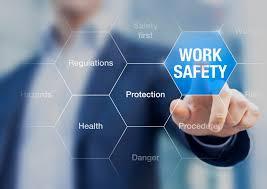
Work safety is a crucial aspect of any organization, ensuring that employees are protected from potential hazards and risks that could lead to accidents, injuries, or even fatalities. A safe work environment is essential for the overall well-being of employees and plays a key role in enhancing productivity, reducing workplace incidents, and complying with legal regulations. This article will explore the significance of work safety, best practices to maintain a safe environment, and the benefits of prioritizing safety in the workplace.
The Importance of Work Safety
Work safety is not just a legal obligation but also a moral responsibility of employers. Here’s why it’s so important:
-
Employee Health and Safety
Ensuring a safe workplace minimizes the risks of injuries, illnesses, or accidents. Healthy employees are more productive and engaged, contributing positively to the success of the organization. -
Legal Compliance
Employers must adhere to local, state, or national safety regulations (such as OSHA in the United States) to avoid legal consequences. Non-compliance can result in hefty fines, lawsuits, and even business shutdowns. -
Increased Productivity
A safe work environment promotes employee satisfaction and reduces downtime due to injuries. When workers feel secure, they are more likely to focus on their tasks, leading to higher efficiency and performance. -
Cost Reduction
Workplace accidents often lead to medical bills, workers' compensation claims, insurance premiums, and other financial costs. By maintaining safety, organizations can reduce these expenses.
Common Workplace Hazards
Workplace hazards vary depending on the industry, but some common risks include:
-
Slips, Trips, and Falls
These are the leading causes of workplace injuries. Hazards such as wet floors, uneven surfaces, or cluttered walkways should be addressed promptly. -
Chemical Exposure
Workers in industries like manufacturing or healthcare may be exposed to toxic chemicals. Proper handling, storage, and disposal procedures should be in place. -
Machinery and Equipment
Malfunctioning or improperly used machinery can cause serious injuries. Regular maintenance, training, and clear safety instructions are crucial. -
Ergonomic Risks
Poor workplace ergonomics can lead to musculoskeletal disorders, especially in office environments. Adjustable furniture, proper seating, and workstation setup can prevent these issues.
Best Practices for Work Safety
To create a safe working environment, employers should implement the following practices:
1. Conduct Regular Risk Assessments
Identifying and assessing potential hazards is the first step in preventing accidents. A thorough risk assessment helps recognize existing dangers and allows employers to address them proactively.
2. Provide Adequate Training
Employees should receive training on workplace safety practices, emergency procedures, and how to handle hazardous materials or equipment. Regular safety drills, such as fire or evacuation drills, should be conducted to ensure preparedness.
3. Ensure Proper Use of Personal Protective Equipment (PPE)
Depending on the nature of the work, employees should have access to the appropriate PPE, such as helmets, gloves, safety goggles, or ear protection. Employers must ensure that PPE is readily available and in good condition.
4. Establish Clear Safety Procedures
Clear, written safety procedures should be available to all employees. These guidelines should outline the steps to follow in case of an emergency and the proper use of safety equipment.
5. Promote Open Communication
Employers should foster an open communication channel where employees can report safety concerns without fear of retaliation. Encouraging feedback and suggestions for improvement can help identify hazards early.
6. Maintain Clean and Organized Workspaces
Cluttered or disorganized workspaces increase the risk of accidents. Regular cleaning schedules should be implemented to keep the workplace tidy and safe.
Technology and Work Safety
Technological advancements have significantly improved workplace safety. From wearable safety devices to safety management software, the use of technology can help detect and address hazards quickly. Some examples include:
-
Wearable Devices: These devices can track workers' health and monitor for signs of fatigue, stress, or unsafe behavior. Some can even send alerts in case of an emergency.
-
Safety Apps: Mobile apps can provide workers with real-time safety updates, guidelines, and emergency contact information. They can also be used to report hazards or incidents directly to safety managers.
-
Automated Systems: In high-risk industries like manufacturing, automation reduces human involvement in dangerous tasks, helping to lower the risk of accidents.
Conclusion
Work safety is not just about compliance; it’s about creating an environment where employees feel valued and protected. By following best practices, addressing potential risks, and utilizing technology, employers can ensure that their workplace remains safe, efficient, and productive. A focus on safety leads to fewer accidents, reduced costs, and most importantly, a healthier and happier workforce.

 English
 Arabic
 Français
 Español
 Deutsch
 Türkçe
 Dutch
Dutch
 Italiano
 Russian
 Romaian