



Zaman Tüneli
Arkadaşlar
Fotoğraflar
Videolar
Blogs
Arkadaşlarını ekleyebilirsin
Sayfalar
Gruplar
Events
Citi Industries has established itself as a leader in the grease trap industry by providing high-quality, reliable solutions for various commercial and industrial applications. With a focus on innovation and customer satisfaction, Citi Industries offers a range of grease traps that meet the stringent requirements of modern kitchens and food processing facilities.
-
12 Yazı
-
3 Fotoğraflar
-
0 Videolar
-
Citi Industries saat Coorparo Qld, Australia
-
Hayatımızda Coorparoo QLD 4151, Australia
-
Kimden Coorparoo QLD, Australia
-
Male
-
01/01/1995
-
Ardından: 0 people
Site içinde arama yapın

 English
 Arabic
 Français
 Español
 Português
 Deutsch
 Dutch
Dutch
 Italiano
 Russian
 Romaian
Son Güncellemeler
-
Industrial Grease Trap Installation Costs: What to Expect in 2025
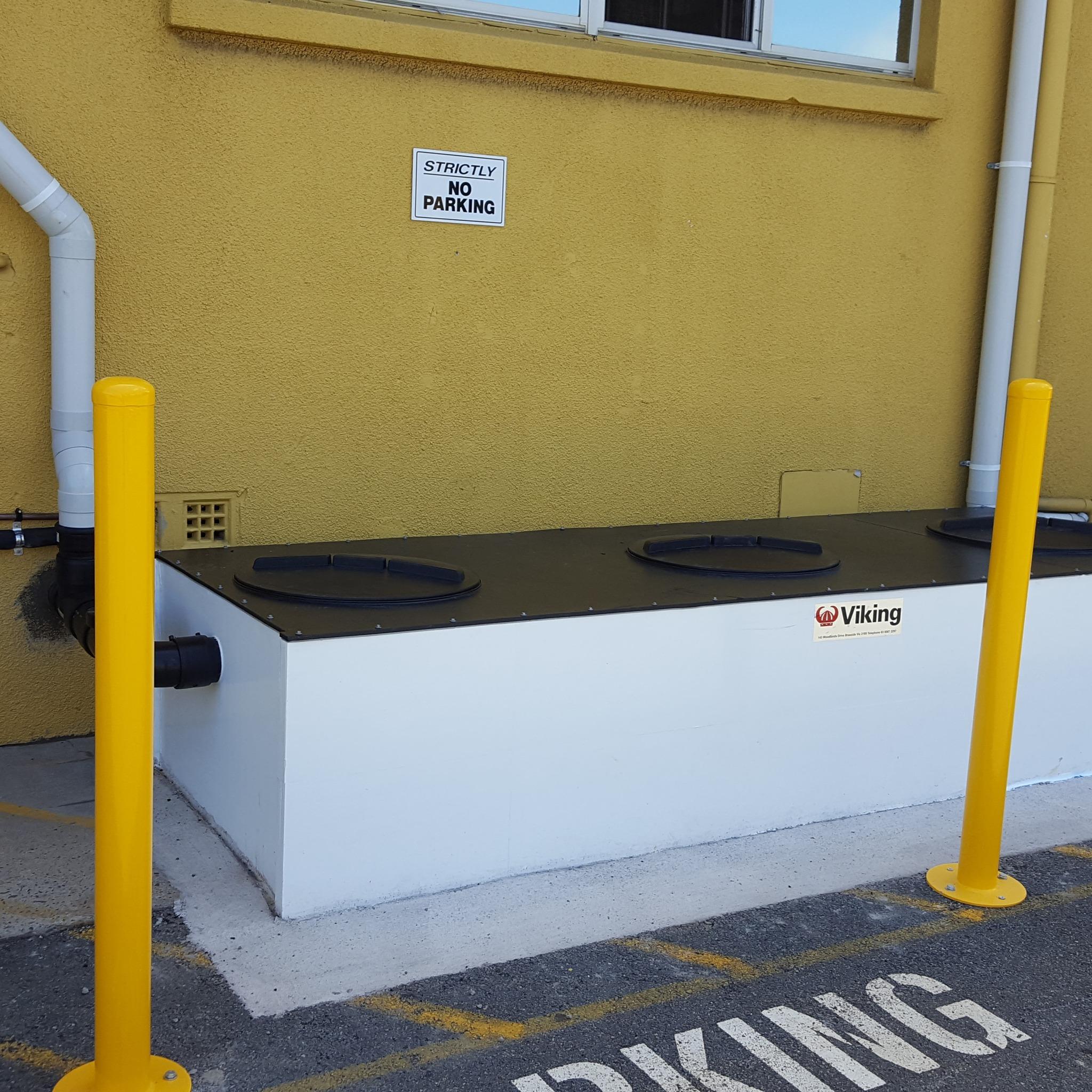
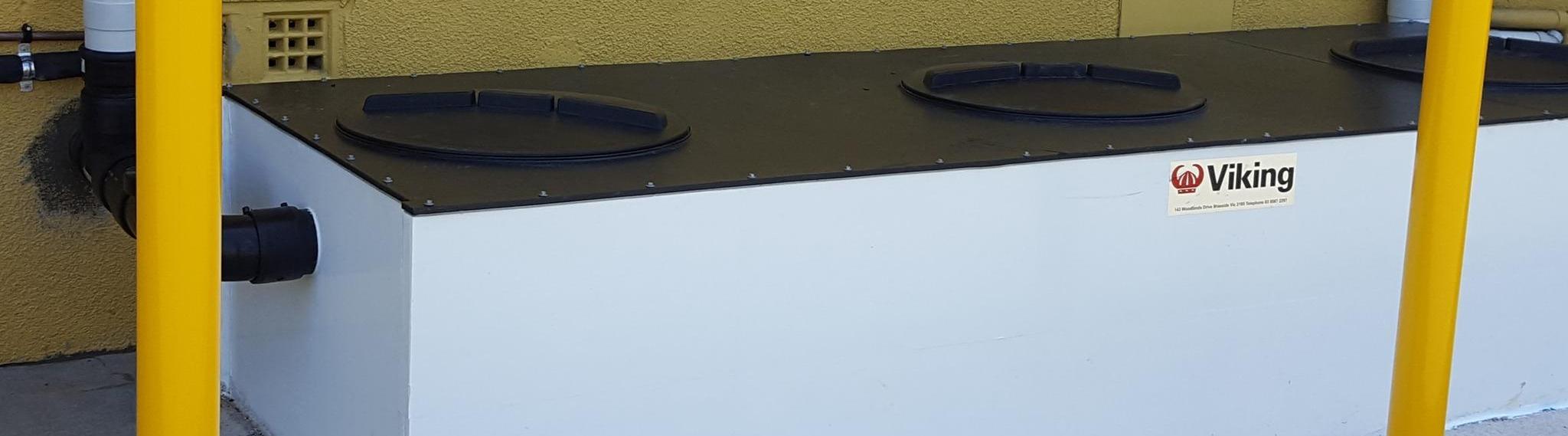
Thinking about installing an industrial grease trap at your commercial kitchen or food processing facility? You're making a smart move to protect your plumbing and stay compliant with regulations. But before you dive in, let's talk about what this investment will actually cost you in 2025.
The price range for industrial grease trap installation is pretty wide, and for good reason. A small operation might get away with spending around $2,500 to $6,000 for a basic system that handles moderate wastewater flow. If you're running a busy restaurant or cafeteria, you're looking at somewhere between $8,000 and $18,000 for a mid-sized setup. Now, if you operate a large-scale food processing plant or high-volume industrial kitchen, prepare to invest $25,000 to $40,000 or even more for a comprehensive system that can handle your facility's demands.
So what makes one installation cost $5,000 while another costs $35,000? The biggest factor is capacity. Your grease trap needs to be sized according to how **** wastewater your facility produces every day. More sinks, dishwashers, and prep stations mean higher flow rates, which require bigger traps and heftier price tags. Another major cost driver is where you're putting it. Above-ground installations are typically more affordable because they're easier to access and maintain. Underground systems look cleaner and save space, but they require serious excavation work, especially if you're cutting through concrete, which can tack on an extra $3,000 to $10,000 just for labor.
The type of system you choose matters too. Traditional passive grease traps are your most economical option upfront. Automatic grease removal devices with heating elements and mechanical skimmers cost more initially but can save you money on maintenance down the road. Materials also play a role in pricing. Stainless steel units are more expensive than plastic ones, but they last longer and handle heavy-duty use better.
Here's something many facility managers forget to budget for: all those extra costs beyond the trap itself. You'll likely need plumbing modifications to connect your existing drainage system, which can run $1,500 to $4,000. Don't forget about building permits and inspections, usually costing $300 to $800 depending on where you're located. And remember, this isn't a one-time expense. You'll need professional pumping services every month or two, which typically costs $200 to $500 per visit.
When you're ready to move forward, get quotes from at least three licensed contractors who specialize in grease trap installation. Make sure those quotes include everything: equipment, labor, permits, and any site preparation work. The cheapest option isn't always the best. An experienced installer will properly size your system and ensure it meets all local codes, saving you from expensive fixes and potential fines later. Look for warranties too, usually one to three years on both equipment and installation work.
Installing an industrial grease trap is a serious investment, but it's one that protects your facility from catastrophic plumbing failures, keeps you on the right side of environmental regulations, and ensures your kitchen runs smoothly for years to come. Plan carefully, budget realistically, and work with professionals who know what they're doing.
Feel free to visit our product page- https://www.citiindustries.com.au/greasetrap-products/
Industrial Grease Trap Installation Costs: What to Expect in 2025 Thinking about installing an industrial grease trap at your commercial kitchen or food processing facility? You're making a smart move to protect your plumbing and stay compliant with regulations. But before you dive in, let's talk about what this investment will actually cost you in 2025. The price range for industrial grease trap installation is pretty wide, and for good reason. A small operation might get away with spending around $2,500 to $6,000 for a basic system that handles moderate wastewater flow. If you're running a busy restaurant or cafeteria, you're looking at somewhere between $8,000 and $18,000 for a mid-sized setup. Now, if you operate a large-scale food processing plant or high-volume industrial kitchen, prepare to invest $25,000 to $40,000 or even more for a comprehensive system that can handle your facility's demands. So what makes one installation cost $5,000 while another costs $35,000? The biggest factor is capacity. Your grease trap needs to be sized according to how much wastewater your facility produces every day. More sinks, dishwashers, and prep stations mean higher flow rates, which require bigger traps and heftier price tags. Another major cost driver is where you're putting it. Above-ground installations are typically more affordable because they're easier to access and maintain. Underground systems look cleaner and save space, but they require serious excavation work, especially if you're cutting through concrete, which can tack on an extra $3,000 to $10,000 just for labor. The type of system you choose matters too. Traditional passive grease traps are your most economical option upfront. Automatic grease removal devices with heating elements and mechanical skimmers cost more initially but can save you money on maintenance down the road. Materials also play a role in pricing. Stainless steel units are more expensive than plastic ones, but they last longer and handle heavy-duty use better. Here's something many facility managers forget to budget for: all those extra costs beyond the trap itself. You'll likely need plumbing modifications to connect your existing drainage system, which can run $1,500 to $4,000. Don't forget about building permits and inspections, usually costing $300 to $800 depending on where you're located. And remember, this isn't a one-time expense. You'll need professional pumping services every month or two, which typically costs $200 to $500 per visit. When you're ready to move forward, get quotes from at least three licensed contractors who specialize in grease trap installation. Make sure those quotes include everything: equipment, labor, permits, and any site preparation work. The cheapest option isn't always the best. An experienced installer will properly size your system and ensure it meets all local codes, saving you from expensive fixes and potential fines later. Look for warranties too, usually one to three years on both equipment and installation work. Installing an industrial grease trap is a serious investment, but it's one that protects your facility from catastrophic plumbing failures, keeps you on the right side of environmental regulations, and ensures your kitchen runs smoothly for years to come. Plan carefully, budget realistically, and work with professionals who know what they're doing. Feel free to visit our product page- https://www.citiindustries.com.au/greasetrap-products/0 Yorumlar 0 hisse senetleri 2K Views 0 önizleme



Daha Hikayeler