


How are film strip made?
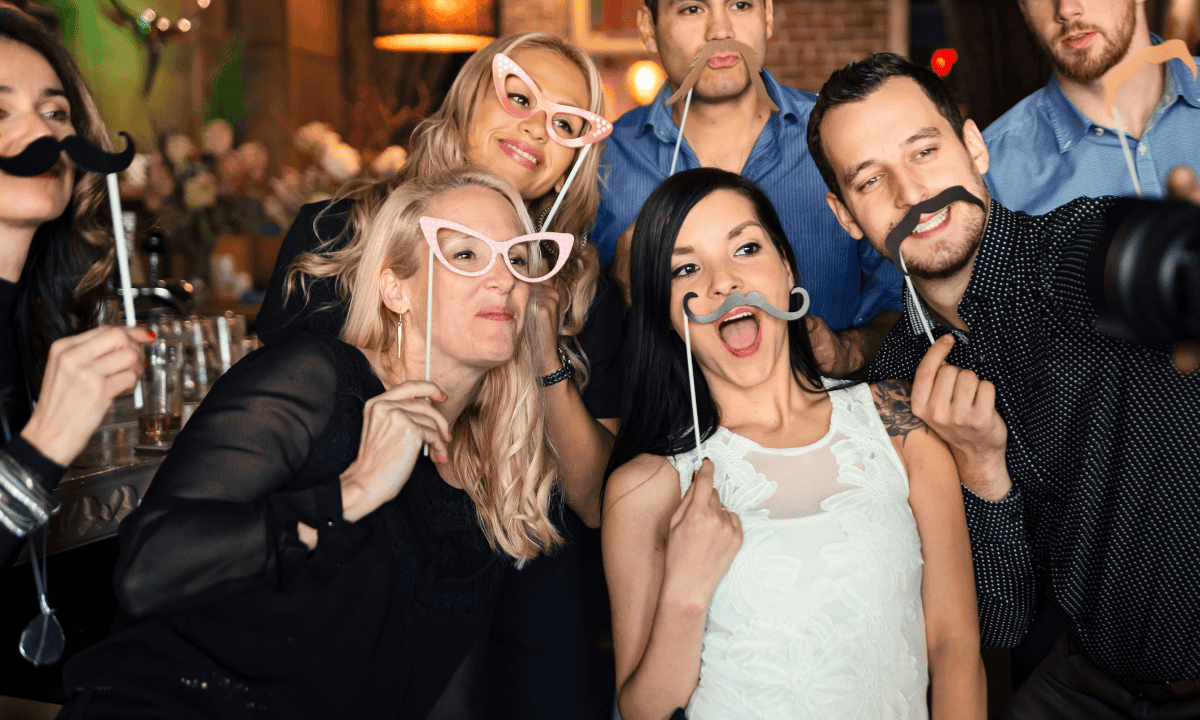
From vintage movie reels to nostalgic photo booth prints, film strips have long been a charming way to preserve moments in sequence. While most people associate film strips with old-school cameras or retro movies, the concept is still widely used today—especially in modern photography booths. Whether you’re printing a keepsake at a wedding or creating a customized photo strip template for an event, the essence of a film strip remains timeless.
So, how exactly are film strips made? Let’s explore the journey from analog origins to digital evolution, and see how services like a photo booth Atlanta still bring these iconic visuals to life.
A Quick Look Back: The Origins of Film Strips
Film strips originally referred to a sequence of still or moving images on photographic film. In the early 20th century, motion picture film—usually 35mm—was created by exposing individual frames of images onto a long strip of celluloid-based film.
For still photography, strips of negatives were produced after developing rolls of film. These negatives could then be printed as individual photos or grouped in a strip format, which became especially popular in automated photo booths starting in the 1920s.
This iconic format—usually a vertical strip of 3 or 4 small photos—later inspired what we now recognize as the modern photo strip template used in today’s digital photo booths.
The Traditional Film Strip Process
Before the digital age, making a film strip involved multiple chemical and mechanical steps:
-
Film Loading: A roll of film was loaded into a camera, ready to capture multiple exposures.
-
Exposure: When a photo was taken, light entered through the lens and hit the film, chemically altering its surface to record the image.
-
Developing: The exposed film was then placed into a series of chemical baths to make the latent images visible.
-
Fixing & Drying: A fixative stopped the chemical reactions, and the film was dried into negatives—resembling the familiar strips with multiple frames.
-
Printing: These negatives could then be printed onto photographic paper in strip format or used in motion picture production.
While this process is mostly obsolete today, it laid the groundwork for the photo booth Atlanta industry’s use of digital film strip replicas.
The Modern Way: Digital Film Strips in Photo Booths
Today, most “film strips” are no longer made with actual film. Instead, they are digital composites designed to resemble the nostalgic look of traditional film. Here’s how modern photo booths create these strips:
1. Capture
In a photo booth Atlanta setup, guests pose for a series of photos—usually 3 or 4 shots. The booth is equipped with a DSLR or high-resolution digital camera to take rapid, well-lit images.
2. Processing
After the shots are taken, software inside the booth processes them in real-time. The photos are aligned vertically (or sometimes horizontally) and inserted into a photo strip template, which adds borders, backgrounds, event branding, and more.
3. Customization
The real beauty of the digital era lies in customization. A photo strip template allows full creative control over:
-
Number of photo frames
-
Fonts and text placement
-
Colors and design elements
-
Event logos or sponsor branding
-
Filters or effects to mimic film grain or vintage aesthetics
Whether it’s a wedding, birthday, or corporate event, customizing a photo strip template ensures each print matches the event’s vibe.
4. Printing
Once compiled, the photo strip is printed instantly using dye-sublimation or inkjet printers. These printers produce high-quality, smudge-resistant prints in just seconds, usually in the classic 2x6 inch size.
Many photo booth Atlanta providers offer the option to print duplicates—one for the guest and one for a scrapbook or guestbook.
From Strip to Keepsake
The final product—a fun, portable, and personalized film strip—often becomes a treasured keepsake. Many people display them on refrigerators, tuck them into wallets, or share them on social media. Unlike traditional photography, these strips capture a sequence of expressions or poses that tell a mini story in just a few frames.
This is especially impactful when the film strip is designed using a thoughtful photo strip template that reflects the occasion’s mood—be it elegant, playful, rustic, or romantic.
Why Film Strips Still Matter Today
Even in a world dominated by smartphones and digital galleries, film strips maintain a unique appeal. Here's why:
-
Nostalgia: They evoke memories of old-school photography and arcade photo booths.
-
Tangibility: Guests get something physical to take home, which feels more personal than a digital download.
-
Creativity: With endless customization options, every strip can be one-of-a-kind.
-
Instant Gratification: Unlike traditional film, today’s booths provide instant results—with no waiting, chemicals, or darkrooms required.
In fact, if you’re planning an event and want to add a timeless, engaging touch, booking a photo booth Atlanta service that offers custom film strip prints is a smart and stylish move.
Final Thoughts
Film strips may have started in the early days of cinema and photography, but they’ve never gone out of style. Thanks to the fusion of modern technology and vintage design, creating a digital film strip today is easier—and more creative—than ever.
From photo capture to printing, every step of the process can be customized using a photo strip template, giving you full control over the final look. And with services like photo booth Atlanta offering cutting-edge booths and stylish strip designs, it’s never been simpler to turn your special moments into a film-worthy memory.

 English
 Arabic
 Français
 Español
 Português
 Deutsch
 Türkçe
 Dutch
Dutch
 Italiano
 Russian