


Understanding the Difference Between Types of Protection
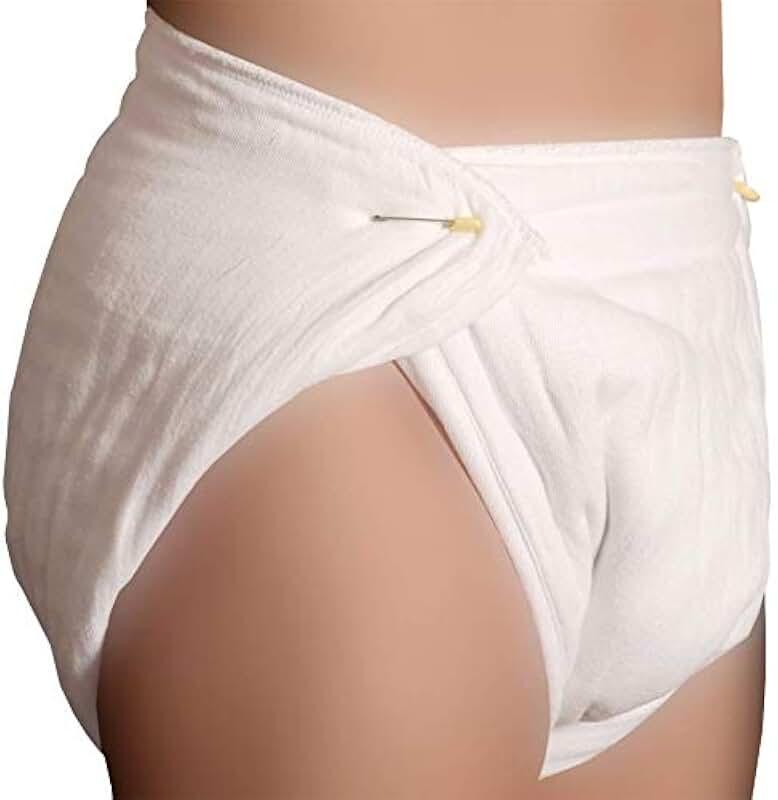
When it comes to personal hygiene and health care, choosing the right type of protection is vital for comfort, confidence, and overall well-being. Particularly in cases of incontinence, the market offers a variety of products tailored to meet different needs. However, understanding the difference between these types of protection—such as pads, liners, pants, adult nappies, and adult diapers—can often be confusing. Each serves a specific purpose, and selecting the correct product can make a significant impact on daily life.
Let’s break down the differences, so you can make informed decisions for yourself or for someone in your care.
The Importance of Choosing the Right Protection
Incontinence can affect anyone—young or old, male or female—and it can be either temporary or chronic. Whether it is a result of surgery, childbirth, aging, or medical conditions like diabetes or multiple sclerosis, the key is managing it effectively and discreetly.
With the variety of protection options available, people often assume all incontinence products are interchangeable. However, using the wrong product can result in discomfort, leakage, or even skin irritation. By understanding the key differences between types of protection, individuals can better manage their condition, reduce anxiety, and enhance their quality of life.
Understanding Pads and Liners
Pads and liners are generally the first line of defense for light to moderate incontinence. They are designed to be discreet, thin, and easy to use, fitting comfortably inside normal underwear.
Pads
Pads are a more absorbent option compared to liners and are ideal for individuals experiencing moderate bladder leakage. They come in a variety of shapes and sizes to suit different body types and levels of incontinence. Some even include odor control and skin-friendly materials to reduce irritation.
Liners
Liners, on the other hand, are thinner and more suited for light incontinence or occasional leaks. They’re similar to menstrual liners but made specifically for urinary incontinence, offering better absorption and odor protection.
Both pads and liners are best for people who can make it to the bathroom on time but need backup for minor leaks. They’re not suitable for heavy incontinence or for individuals with mobility issues who may need longer protection.
Pull-Up Pants: A Middle Ground
Pull-up pants, also known as absorbent underwear, are designed for moderate to heavy incontinence. They resemble regular underwear but include absorbent padding throughout the core and anti-leak barriers for added protection.
These are ideal for people who are still active and independent but require more protection than a pad can offer. Pull-up pants offer a snug fit and can be worn discreetly under clothing. They also promote independence, as the wearer can put them on and take them off without assistance.
They come in various absorbency levels and sizes, ensuring users can find a comfortable, secure fit. However, they might not be the best option for bedridden patients or those needing frequent changes with caregiver assistance.
Briefs or Tape-On Diapers
Briefs, also known as tape-on diapers, are suitable for individuals who need maximum protection. They’re often used for overnight protection or for those with limited mobility. These products have tabs or tapes on the sides, allowing caregivers to change them without fully undressing the user.
This type of protection offers high absorbency and is excellent for managing bowel incontinence as well. They are commonly used in hospitals, nursing homes, and for home-based care of bedridden individuals.
Unlike pull-ups, briefs provide better leakage control and are easier to check and change without requiring the person to stand. They are a preferred choice when full assistance is required.
Adult Nappies vs. Adult Diapers: Is There a Difference?
The terms adult nappies and adult diapers are often used interchangeably, but there can be subtle differences based on regional terminology and product design.
Adult Nappies
In countries like Australia and the UK, “nappies” are more commonly used to describe disposable products with high absorbency and side-fastening tapes. They are often associated with higher protection levels, particularly for overnight or long-term wear. Nappies are usually a preferred option in caregiving environments where users may need assistance.
Adult Diapers
The term “adult diapers” is more prevalent in North America and generally refers to similar products—often featuring tabs or being pull-up style. They can vary in absorbency and are used by both active individuals and those needing help with personal care. Some adult diapers are designed to look and feel like real underwear, focusing on dignity and discretion.
While the terms may be culturally influenced, both offer high absorbency, odor control, and secure fits. The key difference lies more in product branding and user preference rather than significant design distinctions.
Key Factors to Consider When Choosing Protection
To find the most suitable protection, consider the following:
1. Level of Incontinence
Are you dealing with light, moderate, or heavy leakage? Light incontinence can be managed with liners or pads, while heavy or bowel incontinence will require more robust options like briefs or nappies.
2. Mobility and Independence
Active users may prefer pull-up underwear for ease and dignity. Bedridden or dependent individuals will benefit from tape-on diapers for caregiver convenience.
3. Comfort and Fit
Improperly fitting products can cause discomfort, leaks, and even rashes. Always choose a product that matches your body type and absorbency needs.
4. Skin Health
Products with breathable materials and skin-safe linings help prevent irritation and infections. This is particularly important for long-term or overnight use.
5. Lifestyle Considerations
Discretion, ease of disposal, and frequency of changes all impact product choice. A person with a busy, on-the-go lifestyle might prefer pull-ups or pads with less bulk and noise.
Overnight vs. Daytime Protection
Not all incontinence products are designed to work round-the-clock. Some products are optimized for daytime use, offering lighter protection and better breathability. Others are formulated for overnight use, prioritizing high absorbency and leakage protection for longer wear.
For overnight protection, adult nappies or tape-on diapers are often the best choice. They prevent nighttime disruptions, skin breakdown, and wet bedding. Meanwhile, during the day, users might prefer thinner, more discreet options that still offer reliable performance.
It's often beneficial to use a combination of products based on the time of day and activity level.
Gender-Specific Designs
Modern incontinence products now come in gender-specific designs to improve comfort and performance. Male and female anatomy differs, and so does the location of urine flow.
Male incontinence products often have absorbency concentrated in the front, while female products focus it more centrally. Gender-specific products offer a more tailored fit and help reduce the risk of leaks, which is particularly helpful for active users.
Environmental Considerations
Disposable products like adult nappies and diapers create waste, which is a growing concern for many users. Some brands now offer eco-friendly options that use sustainable materials or biodegradable components.
Reusable incontinence underwear is another alternative for those seeking a greener lifestyle. They are washable, cost-effective over time, and designed with built-in absorbent layers.
While not ideal for everyone—especially those with heavy incontinence—reusables are a great option for managing mild to moderate leaks.
Conclusion
Understanding the difference between various types of protection is crucial to managing incontinence effectively. Whether you choose pads, liners, pull-up underwear, or full adult nappies or diapers, the right product can make a world of difference in your comfort and confidence.
It’s not a one-size-fits-all situation—personal needs, lifestyle, and preferences all play a role. With the wide variety of products available today, it’s easier than ever to find something that fits seamlessly into your daily routine and supports your dignity and independence.
Taking the time to understand these products, and selecting thoughtfully, ensures a better quality of life and peace of mind for both users and caregivers alike.

 Arabic
 Français
 Español
 Português
 Deutsch
 Türkçe
 Dutch
Dutch
 Italiano
 Russian
 Romaian