


In Centrifugal Pumps, Which Part Controls the Flow Rate?
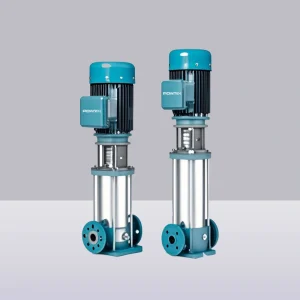
Centrifugal pumps are widely used in various industries for transporting fluids, from water to chemicals. One of the most important aspects of centrifugal pump operation is the flow rate – the amount of fluid the pump can move in a given time. Understanding which part of the centrifugal pump controls the flow rate is crucial for optimizing pump performance, efficiency, and longevity. In this article, we’ll explore the components of centrifugal pumps that influence the flow rate and how they work together to regulate it.
1. What is a Centrifugal Pump?
Before diving into the specifics of flow rate control, let’s start with a brief overview of how centrifugal pumps work.
A centrifugal pump uses rotational energy from an impeller to transfer fluid. The impeller, powered by a motor or engine, spins rapidly, generating a centrifugal force that pushes the fluid from the center (eye) of the impeller to the outer edges. As the fluid moves outwards, it gains kinetic energy, which is then converted into pressure energy in the volute or diffuser, allowing the fluid to be discharged from the pump.
2. Key Components of a Centrifugal Pump
To understand how the flow rate is controlled, we first need to examine the main components of a centrifugal pump:
- Impeller: The rotating component that imparts energy to the fluid.
- Casing: Surrounds the impeller and directs the flow of fluid from the impeller to the discharge.
- Suction and Discharge Nozzles: These are the entry and exit points for the fluid.
- Volute: The spiral-shaped part of the casing that collects the fluid and converts kinetic energy into pressure.
- Bearing and Shaft: Support the impeller and connect it to the motor.
Now, let’s explore how each of these components can influence the flow rate.
3. The Role of the Impeller
The impeller is the most significant part of a centrifugal pump when it comes to controlling flow rate. Here’s why:
- Impeller Diameter: A larger impeller diameter can move more fluid, thus increasing the flow rate. Conversely, a smaller impeller diameter reduces the volume of fluid moved, resulting in a lower flow rate.
- Impeller Speed (RPM): The speed at which the impeller rotates is directly proportional to the flow rate. Increasing the speed of the impeller increases the flow rate, while decreasing the speed results in a lower flow rate. This is why pump manufacturers often design centrifugal pumps to operate at specific speeds based on the application.
- Impeller Design: The number of blades, the shape of the blades, and their angle also affect the flow rate. Impellers with more blades or blades that are designed to optimize fluid movement can enhance flow.
4. The Effect of System Resistance
While the impeller plays a major role in setting the potential flow rate, the actual flow rate in any system depends on the resistance created by the piping, valves, filters, and the fluid’s viscosity. As resistance increases, the flow rate decreases. This is where the concept of the pump curve comes into play.
- Pump Curve: This is a graphical representation of the relationship between the flow rate and the head (pressure) developed by the pump. The curve helps operators determine the flow rate at different pressures and system conditions. It’s essential for selecting the right pump for a specific application and ensuring that the pump operates within the optimal flow rate range.
5. Controlling Flow Rate with a Valve
A common method for regulating flow rate in centrifugal pump systems is the use of a throttle valve. The throttle valve is typically placed on the discharge line of the pump, and its opening can be adjusted to increase or decrease the flow rate.
- Opening the Valve: When the valve is fully open, the pump operates close to its maximum flow rate, subject to system limitations.
- Closing the Valve: When the valve is partially or fully closed, it restricts the flow of fluid, increasing the system resistance and reducing the flow rate. This is often used when the flow rate needs to be controlled in real-time, though it can reduce pump efficiency if overused.
While throttling a centrifugal pump can control flow, it is not always the most efficient method. Throttling creates excess energy that is dissipated as heat, lowering the pump’s efficiency and potentially causing overheating.
6. The Impact of Motor Speed (Variable Frequency Drives – VFD)
In more advanced systems, the flow rate can be controlled by adjusting the speed of the pump motor. This is achieved using a Variable Frequency Drive (VFD), which allows the motor speed to be changed dynamically.
- Increasing Motor Speed: By increasing the motor speed, the impeller’s rotation speed increases, leading to a higher flow rate.
- Decreasing Motor Speed: Conversely, decreasing the motor speed reduces the impeller speed and the flow rate. VFDs provide a more energy-efficient way to control flow compared to throttling the valve, as it adjusts the pump’s performance without wasting energy.
7. Control Valves and Flow Rate Regulation
In many centrifugal pump systems, flow rate regulation is achieved using various types of control valves:
- Pressure Reducing Valves (PRVs): These valves maintain a constant pressure on the discharge side of the pump. By doing so, they indirectly control the flow rate, ensuring that the pump doesn’t operate beyond its optimal range.
- Flow Control Valves: These valves are designed to directly control the flow of the fluid by adjusting the valve opening. When the valve opening is smaller, the flow rate decreases, and when the valve opens wider, the flow rate increases.
- Bypass Valves: These are used to divert some of the flow away from the system to prevent the pump from overloading. This is particularly useful when the system has varying demands, as the bypass valve can help maintain consistent flow rates.
8. System Conditions and Their Effect on Flow Rate
The flow rate is also influenced by the physical conditions of the system. These include:
- Piping Layout: The length, diameter, and number of bends in the piping affect system resistance. More bends and longer pipes increase resistance, which can reduce the flow rate.
- Fluid Properties: The viscosity and temperature of the fluid being pumped affect the flow rate. Thicker fluids, such as oils, require more energy to pump, which reduces the flow rate.
- Pump Selection: Choosing the right pump for the specific application is crucial. If a pump is too large or too small for the system, it will struggle to maintain the desired flow rate.
9. Importance of Proper Flow Rate Control
Maintaining the proper flow rate is vital for several reasons:
- Efficiency: Operating a pump at its optimum flow rate ensures maximum efficiency, reducing energy consumption and operating costs.
- Equipment Longevity: Running the pump at the correct flow rate reduces wear and tear on the components, prolonging the life of the pump and associated equipment.
- System Performance: Proper flow control ensures the system works as designed, delivering consistent fluid transfer and preventing issues like cavitation, which can cause pump damage.
10. Conclusion
In centrifugal pumps, the flow rate is controlled by several factors working together, with the impeller playing the most significant role. While the impeller size, design, and speed determine the potential flow rate, external factors like system resistance, motor speed, and the use of throttling or control valves play essential roles in regulating the flow rate.
Choosing the right pump for your application, understanding system resistance, and using methods such as Variable Frequency Drives or pressure control valves can optimize your pump’s performance. Proper flow rate control ensures better energy efficiency, longer pump life, and optimal system operation.
By understanding these dynamics and carefully selecting and maintaining components, you can ensure that your centrifugal pump system operates at peak efficiency, saving both time and money in the long run.

 Arabic
 Français
 Español
 Português
 Deutsch
 Türkçe
 Dutch
Dutch
 Italiano
 Russian
 Romaian