


Tools Every DIY Freezer Repair Needs
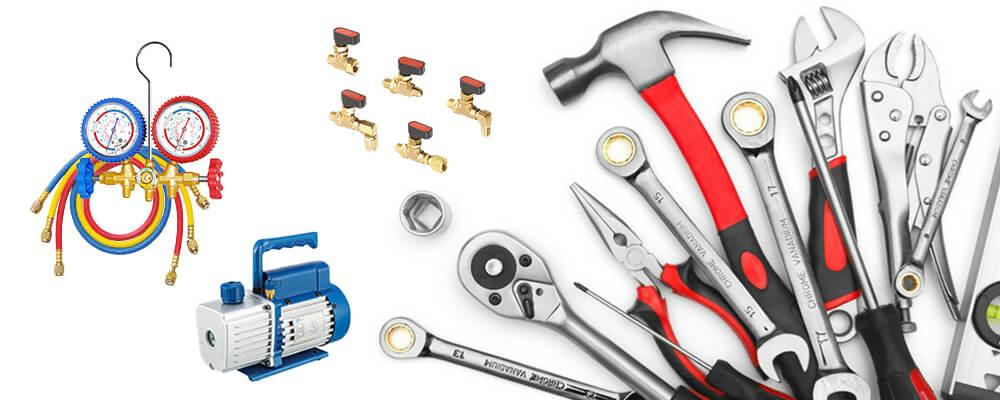
Let’s be honest—when your freezer starts acting up, panic usually kicks in. No one wants their frozen pizzas, ice cream stash, or prepped meals to go to waste. If you’re the hands-on type, your first instinct might be to try and fix it yourself. Good news: that’s totally doable in some cases! With the right tools and a little know-how, you can tackle some of the most common freezer problems at home.
So, what exactly do you need in your freezer repair toolkit? Let’s break it down and make sure you're ready the next time your freezer decides to give you the cold shoulder.
1. Screwdrivers (Both Phillips and Flathead)
It might sound basic, but screwdrivers are your best friend when it comes to appliance repair. Most freezer panels, hinges, and internal components are held together by screws, and you’ll need a reliable set of both Phillips and flathead screwdrivers to get the job done. Magnetic tips are a nice bonus—they keep those tiny screws from getting lost behind your appliance.
Pro tip: Go for an insulated handle just to be safe, especially when working near wiring.
2. Multimeter
Electrical issues are a common reason freezers fail. A multimeter helps you check for continuity, voltage, and resistance in components like thermostats, defrost heaters, or compressors. It may look a little intimidating at first, but there are plenty of easy-to-follow guides and videos online that’ll help you test different parts step-by-step.
If your freezer isn’t turning on or the lights aren’t working, this tool can help you figure out whether it’s an electrical issue or a faulty part.
3. Nut Driver Set
Much like screwdrivers, nut drivers are essential for removing fasteners inside your freezer. They're especially useful when accessing internal parts like the evaporator fan or defrost timer. Freezers often use hex-head screws, which require nut drivers rather than traditional screwdrivers.
Quick tip: Get a set with multiple sizes so you’re covered for different freezer brands.
4. Putty Knife or Plastic Scraper
Dealing with a frosted-over evaporator coil or a stuck-on panel? A putty knife or plastic scraper can help you gently pry or chip away at ice without damaging delicate components. Avoid using metal objects that could pierce the coils or interior lining—those repairs can get costly fast.
This tool also comes in handy if you're replacing door gaskets or removing adhesive components.
5. Hair Dryer or Heat Gun
Freezer frosting up like the North Pole? A hair dryer or low-heat setting on a heat gun can help you defrost it quickly and safely. Just be cautious—don’t apply direct, prolonged heat to plastic parts, and always unplug the freezer before using this method.
Pro move: Place towels or a shallow pan underneath to catch the melt.
6. Appliance Thermometer
Sometimes, what looks like a major problem is just your freezer running a little warm. An appliance thermometer can help you keep track of internal temperatures to confirm if your freezer is actually too warm—or just your imagination. This is especially helpful if you suspect issues with the thermostat or if food isn't staying frozen as long as it should.
The sweet spot? 0°F (-18°C) for your freezer.
7. Vacuum Cleaner with Hose Attachment
Dust and debris can clog up your freezer’s condenser coils or fans, causing it to work overtime or shut down. A vacuum with a hose attachment helps you keep those areas clean, which can improve efficiency and performance. Just make sure the appliance is unplugged while you're doing any cleaning.
Bonus tip: Clean the coils at least every six months—it makes a big difference.
8. Flashlight or Headlamp
Freezers are notorious for tight, dark spaces—especially behind or beneath them. A good flashlight or headlamp frees up your hands and helps you see what you’re doing, whether you're identifying components, reading part numbers, or trying to spot a leak.
9. Replacement Parts Kit
It’s always smart to keep a few common parts on hand, especially if your freezer is getting older. Things like door gaskets, thermostats, defrost timers, or fans are some of the most commonly replaced components. Make sure you check your freezer’s model number and grab parts that match.
10. Owner’s Manual or Online Repair Guide
Not exactly a tool, but it’s definitely a necessity. The owner’s manual will show you where components are located and give you essential specs, like recommended temperature settings or part numbers. If you’ve lost yours, a quick online search usually turns up a digital copy for most major brands.
When to Call in the Pros
Here’s the deal—DIY freezer repair is great for minor issues like defrosting, gasket replacement, or fan cleaning. But if you're dealing with refrigerant leaks, compressor failure, or complex electrical faults, it's best to leave it to the professionals. Those repairs often require special tools and certifications (like handling refrigerants), and trying to do them yourself could actually make things worse—or dangerous.
If you’re in the Austin, TX area and your DIY efforts aren’t cutting it, we’ve got your back.
Call Fuse HVAC & Appliance Repair for Freezer Service in Austin, TX
We get it—sometimes your freezer problems go beyond what a screwdriver and a YouTube video can fix. That’s where Fuse HVAC & Appliance Repair comes in. Our team of certified technicians specializes in freezer repair in Austin, TX, and we’re just a call away when you need fast, reliable service.
Whether your freezer isn’t cooling, leaking water, or making weird noises, we’ll diagnose the issue and get it running like new again—without the headache. We handle all major brands and models, and we always aim to fix it right the first time.
👉 Need help? Contact Fuse HVAC & Appliance Repair today and schedule your freezer repair service in Austin!
Final Thoughts
DIY freezer repair can save you time and money—if you have the right tools and a little patience. Start small, stay safe, and know when to call in a pro. With a solid toolkit and some basic troubleshooting skills, you might be surprised at what you can fix on your own.
But remember: when in doubt, don’t risk it. Your frozen foods—and your safety—are too important.

 English
 Arabic
 Français
 Español
 Português
 Deutsch
 Dutch
Dutch
 Italiano
 Russian
 Romaian