


Brass Pipe: Types, Benefits, and Applications
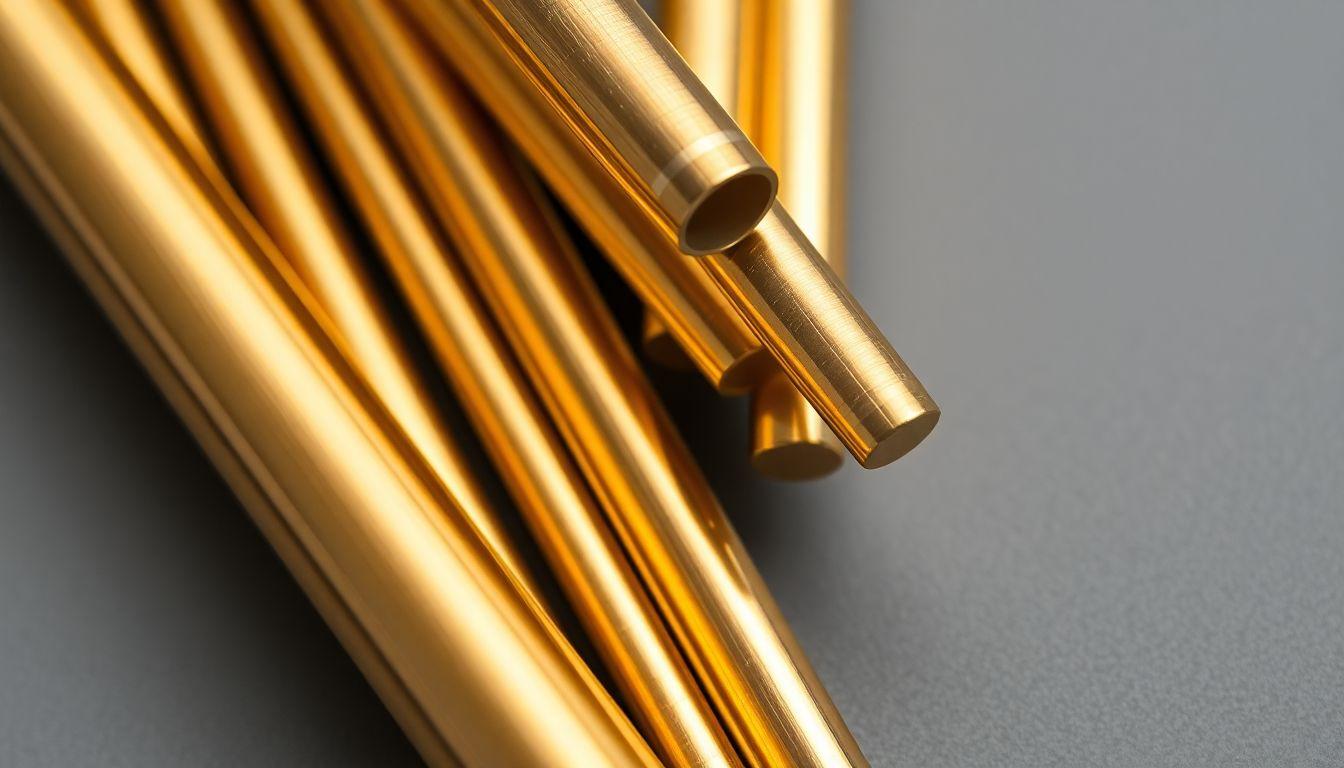
Brass is one of the most versatile materials used in piping systems today. Thanks to its excellent mechanical properties and resistance to corrosion, brass pipe plays a vital role in plumbing, HVAC, and various industrial applications. Whether you need a durable solution for water transport or a visually appealing option for decorative work, brass pipe offers a perfect balance of strength, reliability, and style.
In this blog, we’ll explore everything you need to know about brass pipes—what they are, their benefits, types, and where they are used.
What Is a Brass Pipe?
A brass pipe is a hollow, cylindrical tube made from an alloy of copper and zinc. The exact composition can vary depending on the application, but brass typically contains around 60–70% copper and 30–40% zinc.
Brass has been used for centuries due to its durability, corrosion resistance, and attractive golden appearance. These qualities make brass pipes a preferred choice in both residential and industrial settings.
Key Benefits of Brass Pipe
1. Corrosion Resistance
Brass naturally resists corrosion, especially from water and air. This makes it ideal for plumbing applications where long-term exposure to moisture is unavoidable.
2. Durability
Brass is strong yet flexible. It doesn't crack easily under pressure, making it perfect for high-pressure environments such as gas lines or hydraulic systems.
3. Thermal Conductivity
Brass has excellent heat conductivity. It performs well in hot water distribution systems and heat exchange equipment.
4. Malleability
Brass can be easily shaped or bent without breaking, making installation more convenient.
5. Low Friction
Brass pipes have a smooth inner surface that reduces friction, ensuring efficient fluid flow.
6. Anti-Bacterial Properties
Brass and other copper-based alloys have natural antimicrobial properties, which help prevent the buildup of bacteria inside the pipe.
Common Types of Brass Pipes
Different types of brass pipes are available to suit varying applications. Here are some of the most commonly used ones:
1. Yellow Brass Pipe
Made with about 67% copper and 33% zinc, this is the most widely used type. It’s strong, corrosion-resistant, and often used in water and gas lines.
2. Red Brass Pipe
Red brass contains a higher percentage of copper (around 85%). It offers superior corrosion resistance, especially in saltwater environments, making it ideal for marine applications.
3. Threaded Brass Pipe
These pipes come with pre-cut threads on the ends, making them easier to install in plumbing systems without the need for welding.
4. Flexible Brass Pipe
These are thinner-walled pipes that are easy to bend and manipulate. They are ideal for tight or curved spaces where rigid pipes can’t fit easily.
Applications of Brass Pipes
Due to their versatility, brass pipes are used across many industries:
1. Plumbing
Brass is a common choice for both residential and commercial plumbing. It handles both hot and cold water efficiently and doesn’t rust.
2. HVAC Systems
Brass pipes are used in heating and cooling systems thanks to their excellent thermal conductivity and resistance to temperature variations.
3. Gas Lines
Because brass doesn’t spark and is leak-proof when joined properly, it is ideal for carrying natural gas and propane.
4. Automotive Industry
Brass tubing is used in fuel lines, brake systems, and radiator connections due to its durability and corrosion resistance.
5. Marine Applications
Red brass is particularly suited for boats and ships where exposure to saltwater would quickly corrode other materials.
6. Decorative Uses
The golden appearance of brass makes it a popular material for handrails, lamp posts, and ornamental fittings.
Brass Pipe vs Copper Pipe: What’s the Difference?
Both brass and copper pipes are popular in plumbing and HVAC systems. Here are some key differences:
| Property | Brass Pipe | Copper Pipe |
|---|---|---|
| Composition | Copper + Zinc | Pure Copper |
| Strength | Stronger than copper | Softer |
| Cost | Slightly more expensive | Generally cheaper |
| Corrosion | High resistance | Can corrode in acidic water |
| Use in Gas Lines | Preferred | Less commonly used |
Brass is generally the better option when strength, longevity, and leak-proof connections are essential.
Choosing a Brass Pipe Manufacturer or Supplier
If you’re planning to buy brass pipes in bulk, choosing the right brass pipe manufacturer or supplier is crucial. Here are a few tips:
-
Check the Quality Standards: Make sure the supplier complies with international standards such as ASTM or IS.
-
Request Test Certificates: Ensure the brass pipe has been tested for pressure, chemical composition, and mechanical strength.
-
Evaluate Delivery Time: Reliable suppliers offer fast and safe shipping.
-
Compare Prices: Quality is important, but you should also consider cost-effectiveness.
Whether you’re building a new plumbing system or upgrading an HVAC unit, sourcing brass pipes from a trusted supplier ensures long-lasting performance.
How to Maintain Brass Pipes
While brass pipes are low-maintenance, here are some tips to extend their life:
-
Regular Cleaning: Use a mixture of vinegar and salt to clean the pipe’s outer surface.
-
Avoid Harsh Chemicals: Strong acids or alkalis can damage the inner walls over time.
-
Inspect for Leaks: Periodically check joints and connections for any signs of leakage.
-
Protect Against Physical Damage: Avoid hammering or bending the pipe without proper tools.
Conclusion
Brass pipes are a reliable and efficient choice for various industrial and domestic systems. With properties like corrosion resistance, thermal conductivity, and aesthetic appeal, they offer value and performance in equal measure.

 English
 Arabic
 Français
 Español
 Deutsch
 Türkçe
 Dutch
Dutch
 Italiano
 Russian
 Romaian