


Wireless Charging Market Overview Innovations and Key Players Shaping the Future of Power Solutions
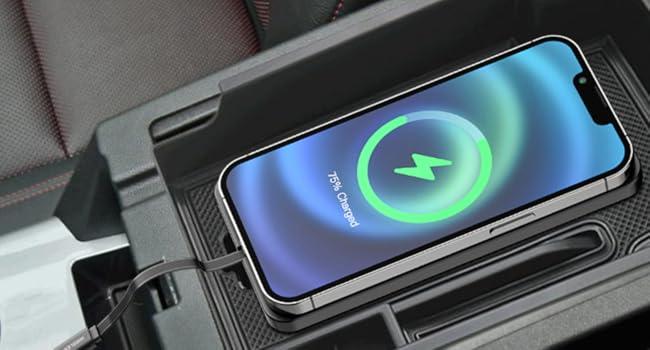
Wireless charging technology has been making significant strides in recent years, particularly with the rise of portable electronics and electric vehicles (EVs). It offers the convenience of charging devices without the need for physical cables, which can sometimes be cumbersome and inconvenient. The wireless charging market is rapidly evolving, driven by increasing consumer demand for more efficient and user-friendly charging solutions. This article delves into the current state of the wireless charging market, the factors driving its growth, and the challenges that must be overcome to realize its full potential.
Market Overview
The wireless charging market has witnessed substantial growth over the last decade, with a variety of industries adopting this technology. While wireless charging has been popular in consumer electronics, such as smartphones, tablets, and wearables, its applications have expanded into the automotive industry, medical devices, and home appliances. According to recent reports, the global wireless charging market size was valued at several billion dollars in 2023 and is expected to grow at a compound annual growth rate (CAGR) of around 20% over the next decade.
The technology behind wireless charging relies on electromagnetic fields to transfer energy between two coils—one in the charger and one in the device. There are several standards and protocols in use, such as Qi (developed by the Wireless Power Consortium) and AirFuel, each with its strengths and limitations. These competing technologies have created a fragmented market, but with widespread adoption, the need for standardization is becoming more pressing.
Key Drivers of Growth
-
Increased Adoption of Consumer Electronics
The proliferation of smartphones, laptops, smartwatches, and other portable devices has spurred the demand for wireless charging. Consumers are increasingly seeking ways to reduce cable clutter, and wireless charging offers an attractive solution. Many of the top smartphone manufacturers, including Apple and Samsung, have already integrated wireless charging into their latest models, further driving the market’s growth. -
Advancements in Electric Vehicles
Electric vehicles are another significant growth area for wireless charging. As governments and private companies focus on reducing carbon emissions and transitioning to electric transportation, the demand for wireless EV charging systems is rising. Wireless charging for EVs eliminates the need for physical plugs and offers a convenient way to charge vehicles in a variety of settings, including homes and public spaces. -
Enhanced Convenience and User Experience
One of the main advantages of wireless charging is the convenience it offers. It eliminates the need to plug in and unplug devices, providing a more seamless user experience. This is particularly beneficial in environments like offices, public spaces, and automotive applications, where ease of access to power is a significant consideration. -
Industry Collaborations and Partnerships
The wireless charging industry has seen numerous partnerships and collaborations between key players, such as smartphone manufacturers, automotive companies, and tech startups. These collaborations are helping to drive innovation and create more versatile and efficient wireless charging solutions. For example, companies like Qualcomm and WiTricity are working on improving wireless charging technologies for electric vehicles.
Challenges Facing the Wireless Charging Market
While the wireless charging market is growing, several challenges need to be addressed for it to reach its full potential.
-
Efficiency and Speed
Although wireless charging offers convenience, the charging speed is generally slower compared to traditional wired charging methods. Many users expect the same level of performance from wireless chargers as they would from a plug-in charger. Therefore, improving the efficiency and charging speed of wireless systems is a key area of research and development. -
Cost and Infrastructure
The cost of implementing wireless charging technology, particularly for electric vehicles, can be a barrier to mass adoption. Building out the necessary infrastructure, such as wireless charging pads and stations, requires significant investment. This could slow down widespread adoption, especially in emerging markets where affordability is a key concern. -
Standardization
As mentioned earlier, different wireless charging technologies and standards exist, leading to a fragmented market. Manufacturers are still working toward achieving standardization, which is critical for interoperability and consumer confidence. Without a unified standard, consumers may be hesitant to invest in wireless charging solutions, especially if they are unsure whether their devices will be compatible with various charging stations. -
Safety and Environmental Concerns
Wireless charging systems often operate with electromagnetic fields, and there are concerns about the long-term effects of exposure to these fields on human health. Additionally, the environmental impact of producing and disposing of wireless charging components is still under study. As the market expands, these issues will need to be carefully addressed.
Future Outlook
Looking ahead, the wireless charging market is expected to continue its upward trajectory. Technological advancements, such as faster charging speeds, improved efficiency, and the integration of wireless charging into everyday objects, will likely enhance consumer adoption. Moreover, the growing demand for electric vehicles and portable devices will further bolster the market. With continued innovation and investment in infrastructure, wireless charging could eventually become the standard method for powering a wide range of devices and vehicles.

 English
 Arabic
 Français
 Español
 Português
 Deutsch
 Türkçe
 Dutch
Dutch
 Russian
 Romaian