


CM Punjab Ration Card Program 2025 | Punjab Rashan Card Pakistan
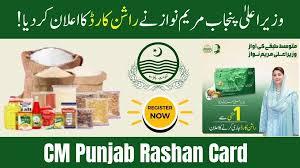
In a bold move to tackle poverty and food insecurity, Punjab Chief Minister Maryam Nawaz Sharif launched the Maryam Nawaz Ration Card Programme on April 30, 2025, in Lahore. This ambitious initiative, hailed as Pakistan’s largest-ever ration assistance package, aims to support over 1.25 million laborer families across the province. With a massive budget of Rs. 84 billion, the scheme is designed to provide dignified, practical help to workers and daily wage earners struggling to afford basic kitchen essentials. Here’s everything you need to know about this transformative program.
What Is the Ration Card Scheme?
The Punjab Ration Card Programme is a welfare initiative targeting low-income households, particularly laborers, industrial workers, and miners registered with social security. Starting June 1, 2025, eligible families will receive a monthly subsidy of Rs. 3,000 through a digital ration card called the JS Bank Zindagi Card. This card isn’t just a handout—it’s a lifeline offering a range of benefits, including:
-
Digital cash transfers for purchasing essential food items like flour, sugar, pulses, and oil.
-
Advance salary options to help workers manage financial emergencies.
-
Insurance coverage for added security.
-
Rewards and discounts, including up to 20% off on essential commodities at utility stores.
-
Access to 13 additional services, such as healthcare and housing support, tailored to workers’ needs.
The scheme is part of Maryam Nawaz’s broader vision to create a “compassionate and inclusive” Punjab, ensuring no laborer’s child goes to bed hungry. “This is not charity,” she said at the launch event. “It’s about recognizing the dignity of those who work 12 to 14 hours a day to keep our country moving.”
Who Can Apply?
The programme is laser-focused on supporting Punjab’s working class. To qualify, you must meet these criteria:
-
Be a resident of Punjab with a valid CNIC (Computerized National Identity Card).
-
Belong to a low-income household (typically earning less than Rs. 50,000 per month).
-
Be a registered worker with the Punjab Employees Social Security Institution or a similar labor welfare body.
-
Not be a government employee or a tax filer.
-
Only one person per family can apply to avoid duplication.
Registration is straightforward and requires PSER (Punjab Socio-Economic Registry) enrollment, which is mandatory. If you’re not yet registered, visit the official PSER portal or your nearest Punjab Government Relief Center before the April 30, 2025, deadline.
How to Register for the Ration Card
Getting enrolled is simple and user-friendly. Follow these steps:
-
Visit the website: https://rationcard.com.pk/
-
Create an Account: Sign up using your CNIC and personal details.
-
Log In: Access your account with your credentials.
-
Enter Family and Financial Details: Provide accurate information about your household income and members.
-
Submit Your Application: Review and submit your form. You’ll receive a confirmation once verified.
Alternatively, you can visit a nearby PSER center for in-person assistance. Already registered with PSER? No need to reapply unless your registration is over three years old. You can also check your eligibility by sending your CNIC number to the 8070 SMS service.
Why This Scheme Matters
Pakistan’s working class has been hit hard by inflation, with skyrocketing prices for essentials like flour, oil, and sugar. The Ration Card Programme is a direct response to these challenges, offering reliable, monthly support to ease the financial burden on laborers. By providing a digital card instead of physical rations, the scheme empowers families to choose what they need most, whether it’s groceries or other essentials.
Maryam Nawaz emphasized the programme’s transparency and efficiency during the launch: “The government must go to the people, not the other way around.” This approach builds on her Ramadan 2025 relief efforts, where Rs. 10,000 cash and rations were delivered directly to homes.
Beyond Rations: A Broader Welfare Vision
The Ration Card Programme is just one piece of Maryam Nawaz’s welfare puzzle. At the launch event, she announced several other initiatives to uplift Punjab’s workers and low-income families:
-
Housing: Construction of 1,220 new homes for laborers, with a goal of 100,000 homes this year under the Apni Chhat, Apna Ghar scheme.
-
Healthcare: New facilities like Social Security Hospitals in Sargodha and Kasur, a 50-bed hospital in Rahim Yar Khan, and a 200-bed Cardiac City for workers.
-
Education: Distribution of 100,000 laptops and scholarships for 50,000 deserving students.
-
Transport: Expansion of the Green Bus Service with 500 new eco-friendly buses.
-
Worker Welfare: Launch of teleclinics for remote healthcare, wellness centers, and labor colonies in Taxila, Warburton, and Multan.
These projects reflect a commitment to holistic development, ensuring workers have access to not just food but also shelter, healthcare, and opportunities for growth.
Challenges and Criticisms
While the programme has been widely praised, some challenges remain. The PSER registration process can be daunting for rural families with limited internet access or literacy. The government has promised to set up more registration centers, but outreach needs to be ramped up before the deadline. Additionally, the scheme’s initial focus on registered workers means unregistered laborers—often the most vulnerable—may miss out unless the programme expands.
There’s also the question of funding sustainability. At Rs. 84 billion, this is a massive undertaking, and future governments will need to prioritize its continuation. However, Maryam Nawaz has pledged to expand the scheme’s reach based on available resources, signaling long-term commitment.
What People Are Saying
The response to the Ration Card Programme has been overwhelmingly positive. On X, users have called it a “significant step” for Punjab’s development, with many praising Maryam Nawaz’s focus on action over rhetoric. “The huge amount of Rs. 40 billion and monthly subsidies for millions of families are proof of her commitment,” one user wrote. Another highlighted the programme’s scale: “This is an extraordinary welfare development for workers and laborers.”
At the launch event, workers expressed gratitude for the initiative. One laborer from Muzaffargarh shared, “This card means my kids won’t go hungry anymore. It’s a big relief for us.” Maryam Nawaz’s hands-on approach—chatting with workers and visiting stalls at the Expo Centre—added a personal touch that resonated with attendees.

 English
 Arabic
 Français
 Español
 Deutsch
 Türkçe
 Dutch
Dutch
 Italiano
 Russian
 Romaian