


Strengthening Project Delivery: Rethinking Contractors Management in Pakistan
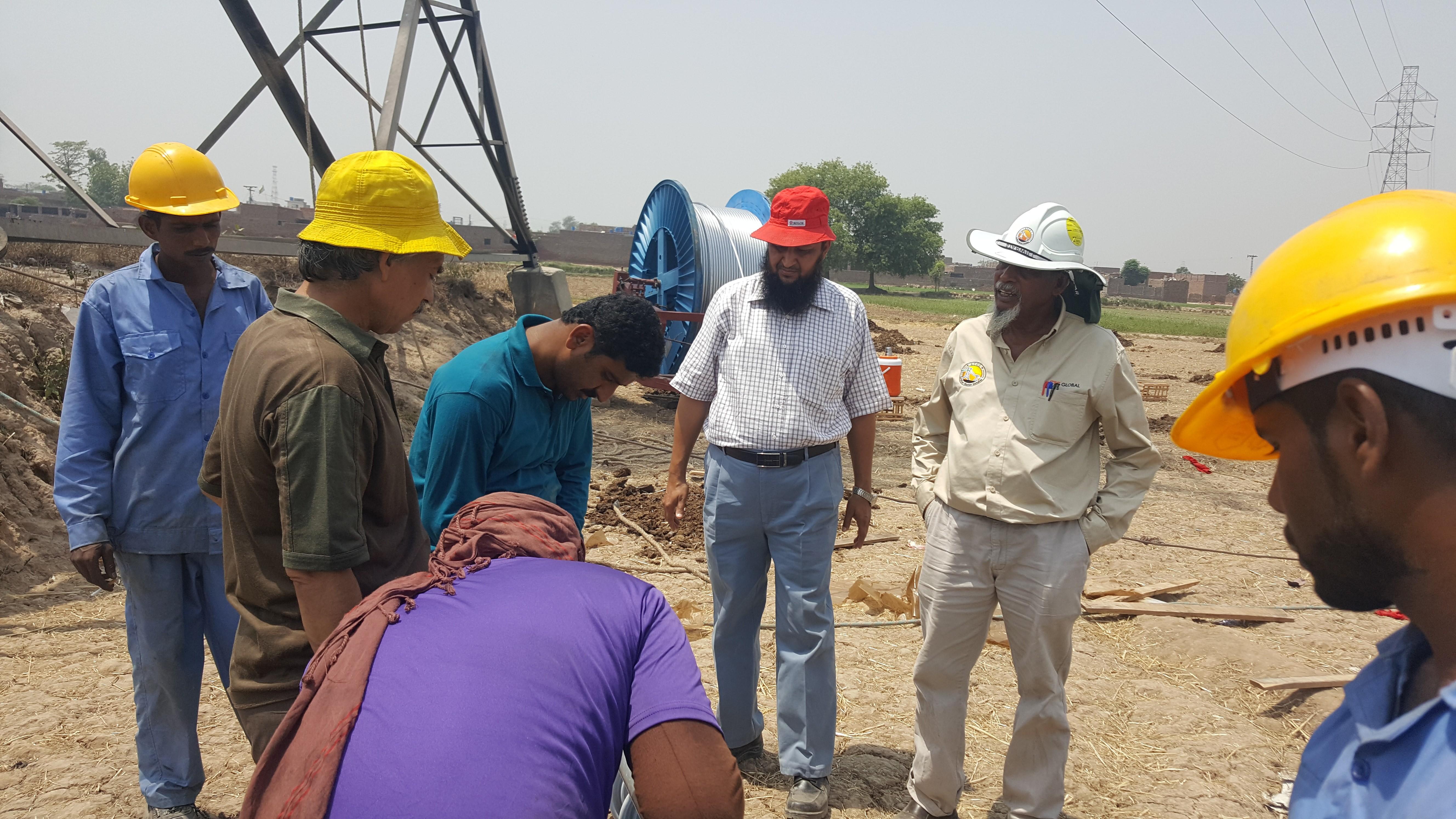
Pakistan is undergoing a period of rapid development, driven by public infrastructure programs, urban expansion, and foreign-backed mega projects. In this environment, the role of contractors is fundamental. They serve as the execution engine behind roads, schools, dams, housing schemes, and more. However, despite their importance, contractors management—the system by which contractors are selected, Contractors management in Pakistan, and evaluated—remains inconsistent and poorly structured in Pakistan.
This article explores how the current contractor management system functions, where it falls short, and how Pakistan can build a more transparent, accountable, and efficient framework to ensure timely and quality project delivery.
The State of Contractors Management in Pakistan
Contractors in Pakistan work on a broad range of projects, from government-funded development works to private construction schemes. Their operations are regulated by institutions like:
-
Pakistan Engineering Council (PEC) – responsible for registration and classification.
-
Public Procurement Regulatory Authority (PPRA) – governs procurement and tendering processes for public sector projects.
-
Local and Provincial Departments – manage contractor engagement and supervision at the regional level.
While these structures exist, coordination between them is weak. As a result, project delivery suffers due to mismanagement, lack of oversight, and procedural loopholes.
Common Issues in Contractors Management
1. Informal Practices and Weak Regulation
A large portion of contractors operate within informal networks, often without proper licensing or training. Even those who are registered may not meet quality or compliance benchmarks consistently.
2. Overemphasis on Lowest Bids
Public tenders are typically awarded based on the lowest cost, ignoring the quality of past work, technical expertise, or on-site safety records. This often results in poor execution and repeated repairs.
3. Ineffective Supervision
Project sites are rarely monitored with the rigor required. Progress reports are usually prepared by the contractors themselves, and third-party verification is not standard practice, leading to unchecked misreporting.
4. Delayed Payments and Financial Uncertainty
Many contractors face delays in receiving payments, especially from government departments. This affects project momentum, compromises workforce morale, and reduces the contractor's ability to manage cash flow.
5. Safety and Labor Violations
Worker safety is rarely enforced, particularly in smaller projects. There are frequent cases of injuries and fatalities due to the absence of proper training, equipment, and compliance with labor standards.
Impacts of Poor Contractor Oversight
-
Stalled Projects: Infrastructure remains incomplete for years, increasing costs.
-
Substandard Workmanship: Quality is compromised, requiring early maintenance or complete reconstruction.
-
Waste of Public Resources: Budget overruns and duplicated work drain government resources.
-
Erosion of Public Trust: Communities lose faith in development programs when results don’t materialize.
-
Investment Hesitancy: Both foreign and domestic investors are discouraged by unpredictable project execution.
How Contractors Are Categorized
PEC classifies contractors from C-6 (lowest) to C-A (highest) based on their financial capacity, technical qualifications, and project experience. However, these categories are not always aligned with real-world performance due to limited monitoring and lack of a unified performance tracking system.
Recommendations for Reform
1. Establish a Contractor Performance Index
A transparent, publicly accessible system should rank contractors based on performance indicators such as timeliness, quality, safety, and budget management. Departments can use this index to make informed selections.
2. Shift to Quality-Based Evaluation
Pakistan needs to move away from the “lowest bid wins” model to a Quality and Cost-Based Selection (QCBS) framework, where technical strength, experience, and past performance weigh heavily in contractor selection.
3. Digitize the Entire Project Lifecycle
From registration to project closure, the entire contractor engagement process should be digitized. E-tendering, progress tracking apps, and digital payments will reduce human error and minimize corruption.
4. Build Local Capacity
Small and medium contractors often lack access to modern management tools and training. Government-backed certification programs can bridge this gap and enhance project execution standards across the board.
5. Mandate Third-Party Monitoring
Independent technical auditors should be engaged on major projects to inspect work at each stage. Their findings should inform payment approvals and contract renewals.
Innovative Practices from Other Countries
-
Philippines: Uses open data dashboards for real-time project monitoring.
-
Kenya: Mandates community involvement in small infrastructure projects to ensure local accountability.
-
Brazil: Requires environmental and labor compliance reports as part of contractor evaluation.
Pakistan can adapt these practices to local realities, especially by starting with pilot programs in high-visibility public projects.
Private Sector's Influence and Responsibility
Private developers and real estate firms also have a stake in contractor quality. By setting high standards for contractor selection, mandating insurance and safety practices, and using modern construction management software, private firms can lead by example.
A Coordinated National Approach
Improving contractors management is not the responsibility of one agency alone. It requires:
-
Collaboration between PEC, PPRA, and provincial bodies
-
Policy updates aligned with digital transformation
-
Investment in human resource development
-
Legal reforms to enforce penalties for non-compliance
Conclusion: Rebuilding Trust in Public Projects
Contractors are the bridge between planning and progress. Without proper management, even the best-designed projects can fall apart. Pakistan must reimagine how it engages, supervises, and supports its contractors—both to improve project outcomes and to protect public investment.
By making contractors management more professional, data-driven, and accountable, Pakistan can build not just better infrastructure, but also stronger institutions and greater public confidence in development itself.

 Arabic
 Français
 Español
 Português
 Deutsch
 Türkçe
 Dutch
Dutch
 Italiano
 Russian
 Romaian