


Choosing the Right Door: Composite vs. uPVC vs. Bi-Fold Doors
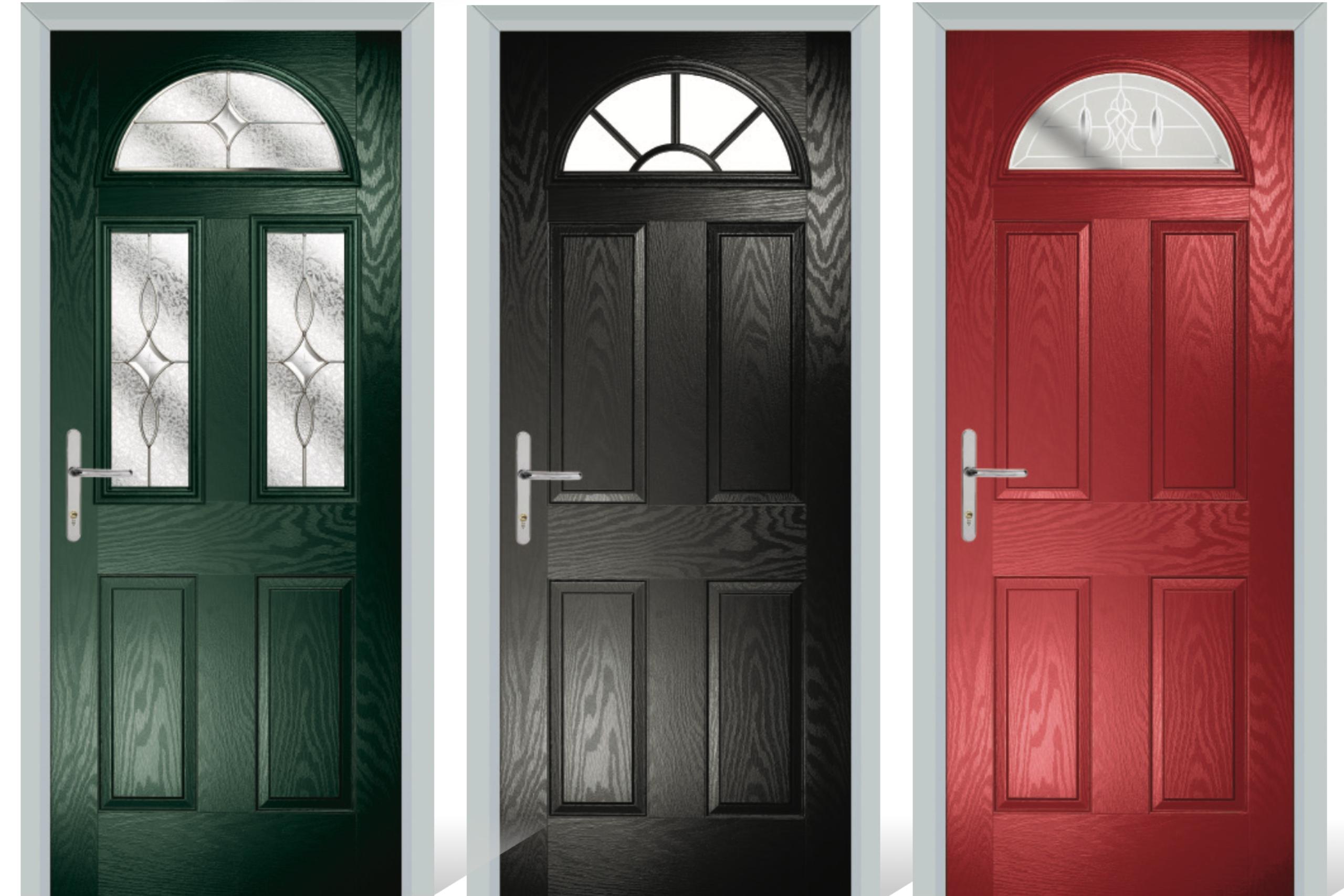
Choosing the Right Door: Composite vs. uPVC vs. Bi-Fold Doors
When it comes to upgrading the doors in your home—whether it's the front entrance, back garden access, or a stylish patio feature—the right choice can dramatically enhance your property’s security, energy efficiency, and curb appeal. But with so many options available, how do you decide between composite doors, uPVC doors, and bi-fold doors?
Each of these door types brings its own set of benefits and features suited to different purposes and preferences. This guide will help you understand the key differences, pros and cons, and the best applications for each type, so you can make an informed decision for your home.
What Are Composite Doors?
Composite doors are made from a combination of materials, typically including a solid timber core, uPVC, glass-reinforced plastic (GRP), and insulating foam. This hybrid construction brings together the strengths of each material to produce a highly secure, durable, and weather-resistant door.
Benefits of Composite Doors
-
Superior Security: Solid core construction and robust locking systems make composite doors incredibly secure—ideal for front doors.
-
High Durability: These doors resist warping, rotting, and fading even under extreme weather conditions.
-
Aesthetic Appeal: Available in a wide variety of styles, colours, and woodgrain finishes that mimic traditional timber doors.
-
Thermal Efficiency: The insulating foam core and GRP skin contribute to excellent thermal performance.
-
Low Maintenance: Unlike timber, composite doors don’t need painting or regular upkeep—just an occasional wipe-down.
Ideal Use:
Composite doors are best for front entrances, where aesthetics, insulation, and security are top priorities.
What Are uPVC Doors?
uPVC (unplasticised polyvinyl chloride) doors are a popular and cost-effective choice, especially for modern and traditional homes alike. They are made entirely from plastic with internal steel reinforcements to enhance strength.
Benefits of uPVC Doors
-
Affordability: uPVC doors are budget-friendly and offer great value for money.
-
Low Maintenance: No painting, varnishing, or polishing required. They are easy to clean and weather-resistant.
-
Good Insulation: While not as insulating as composite doors, quality uPVC doors still offer respectable thermal and acoustic insulation.
-
Weather Resistance: These doors won’t warp or corrode with exposure to the elements.
-
Variety of Designs: Available in different styles, including glazed and panelled versions.
For high-quality and thermally efficient uPVC doors, Bowland Windows offers a range designed to suit all UK homes with great performance and stylish options.
Ideal Use:
uPVC doors are perfect for back doors, utility room entrances, or as budget-friendly front door alternatives.
What Are Bi-Fold Doors?
Bi-fold doors are large, glass-panelled doors that fold back in sections along a track to open up wide spaces. They're typically used at the rear of a property to connect the indoors with outdoor patios or gardens.
Benefits of Bi-Fold Doors
-
Unmatched Views and Light: With slim frames and expansive glass panels, bi-folds bring in natural light and offer unobstructed views.
-
Indoor-Outdoor Living: Perfect for modern open-plan living spaces that flow seamlessly into gardens or patios.
-
Flexible Openings: You can open them partially or fully depending on the occasion.
-
Modern Aesthetic: Bi-folds add a contemporary touch to any home, making them popular in renovations and new builds.
-
Customisable Sizes and Finishes: Choose the number of panels and configurations that suit your space.
Considerations:
While bi-fold doors are visually stunning and space-enhancing, they tend to be more expensive and may not provide as much insulation as solid-panel doors unless specified with high-performance glazing.
Ideal Use:
Bi-fold doors are ideal for rear extensions, kitchens, or lounges that open up to gardens, patios, or balconies.
Head-to-Head Comparison
|
Feature |
Composite Door |
uPVC Door |
Bi-Fold Door |
|
Security |
Excellent |
Good |
Good with proper locks |
|
Thermal Efficiency |
Excellent |
Good |
Varies by glazing type |
|
Aesthetics |
Traditional to Modern |
Simple and Clean |
Contemporary and Luxurious |
|
Cost |
Mid to High |
Low to Mid |
High |
|
Best For |
Front Doors |
Back/Side Doors |
Garden Access, Open-Plan Spaces |
|
Maintenance |
Very Low |
Very Low |
Low (occasional track cleaning) |
|
Durability |
Excellent |
Very Good |
Very Good (with quality materials) |
Which One Should You Choose?
The decision ultimately depends on where the door is being installed and your priorities in terms of aesthetics, insulation, and budget:
-
For maximum security and curb appeal: Choose a composite door for your front entrance.
-
For an affordable and durable solution: Go with a uPVC door, especially for secondary entrances.
-
For a wow-factor feature that brings the outdoors in: Opt for bi-fold doors at the rear of your home.
For many homeowners, combining different types—like a composite front door and bi-fold rear doors—creates a balance between performance, function, and style.
Final Thoughts
Choosing the right door isn’t just about filling a space in the wall—it’s about enhancing your home’s energy efficiency, security, and personality. Whether you’re renovating a traditional home or building something ultra-modern, selecting between composite, uPVC, and bi-fold doors requires careful thought.
Consider your budget, the function of the door, and the look you’re aiming to achieve. Each door type has its unique strengths, and when chosen wisely, it will serve you reliably for decades.

 English
 Français
 Español
 Português
 Deutsch
 Türkçe
 Dutch
Dutch
 Italiano
 Russian
 Romaian