


Security Screening Market Restraints Include High Costs, Privacy Issues, and Complex System Integration Challenges
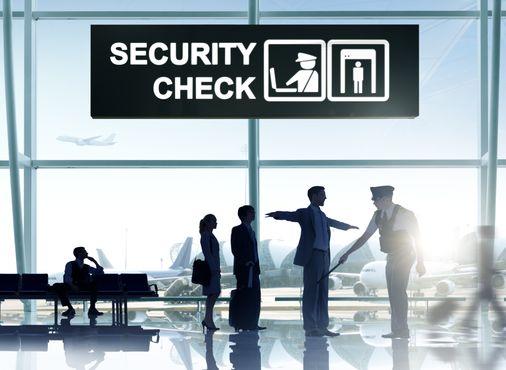
The security screening market plays a crucial role in safeguarding public spaces, transportation hubs, and private facilities. However, despite its growing importance and rapid technological advancements, several restraints continue to impact the market's full potential. From financial and operational hurdles to ethical and technical concerns, these challenges must be addressed for the market to expand sustainably and inclusively.
In this article, we examine the major security screening market restraints, analyze their implications, and explore how stakeholders can overcome them to ensure continued growth and innovation.
1. High Capital Investment and Operational Costs
One of the primary restraints in the security screening market is the high cost associated with acquiring, installing, and maintaining advanced systems. Technologies such as computed tomography (CT) scanners, full-body imaging systems, biometric identification tools, and explosive trace detectors (ETDs) come with significant upfront expenses.
In addition to procurement, there are costs related to:
-
Infrastructure upgrades for system integration
-
Regular maintenance and calibration
-
Staff training and certification
-
Software updates and cybersecurity measures
For small airports, government buildings, or private facilities with limited budgets, these costs can be prohibitive, delaying adoption or limiting deployment to only high-risk areas.
2. Privacy and Ethical Concerns
The increasing use of biometric technologies and full-body scanners has raised serious concerns over individual privacy. Many users are uncomfortable with the idea of facial recognition, iris scans, or body imaging, particularly when there is a lack of transparency about how data is collected, stored, and used.
Key privacy issues include:
-
Unauthorized data access or breaches
-
Use of biometric data without consent
-
Lack of clear data retention policies
-
Public discomfort with perceived surveillance
These ethical concerns can lead to public resistance and force governments and companies to slow down or reconsider large-scale implementation of certain security technologies. In some countries, strong data protection laws further restrict the usage of invasive systems.
3. Complex System Integration and Interoperability
As security screening systems become more sophisticated, they must interact seamlessly with existing infrastructure, software, and workflows. However, system integration often presents a significant challenge, especially when different technologies or vendors are involved.
Some integration-related issues include:
-
Compatibility between old and new systems
-
Lack of standardized protocols for communication
-
Delays in implementation due to technical misalignment
-
Difficulty in syncing databases across different locations
For organizations operating across multiple sites—such as airport networks or multinational logistics companies—achieving interoperability between systems can be both expensive and time-consuming.
4. Shortage of Skilled Personnel
Advanced security systems require trained professionals to operate, interpret, and maintain them. However, many regions suffer from a shortage of skilled workers in this domain. The lack of experienced personnel can result in:
-
Lower system efficiency and higher error rates
-
Inability to maximize the use of advanced features
-
Increased reliance on outdated manual processes
-
Delays in responding to real-time threats
To unlock the full potential of security screening technologies, organizations must invest in workforce development, certification programs, and ongoing training.
5. Regulatory and Compliance Barriers
Governments worldwide impose strict regulations on the deployment and operation of security screening systems to ensure safety, privacy, and ethical standards. While these regulations are essential, they can act as restraints in the following ways:
-
Prolonged approval processes for new technologies
-
Regional variations in standards creating inconsistencies
-
Legal hurdles for using biometric or AI-driven tools
-
Fines and liabilities associated with non-compliance
These regulatory complexities may discourage innovation or delay the rollout of new solutions, especially for emerging startups or smaller technology providers.
6. Resistance to Change and Public Perception
People often resist new technologies, especially when they are seen as invasive or disruptive. In the case of security screening, negative public perception can limit acceptance and cooperation, particularly in public spaces like airports or event venues.
Common concerns include:
-
Long screening queues and delays
-
Unclear communication about procedures
-
Physical discomfort during scanning
-
Perception of profiling or discrimination
Overcoming this restraint requires better public engagement, user-friendly design, and transparent communication about the benefits and safety of security screening systems.
7. Limited Adoption in Developing Regions
While developed countries continue to invest heavily in security infrastructure, developing nations often lag behind due to budget constraints, lack of technical expertise, and lower perceived threats. This disparity restricts global market growth and creates regional gaps in security preparedness.
For global manufacturers and service providers, limited demand in these regions can make it difficult to justify expansion or localized production, further reinforcing inequality in market access.
Conclusion
While the global security screening market shows strong potential for growth, it faces several critical restraints that must be addressed. High costs, privacy concerns, integration complexities, regulatory challenges, and skill shortages are just a few of the barriers limiting widespread adoption.
However, these challenges also represent opportunities. Through targeted investment, regulatory modernization, workforce development, and ethical technology design, stakeholders can work together to reduce these restraints. Doing so will not only enhance public safety but also unlock the full potential of the security screening market for years to come.

 English
 Arabic
 Français
 Español
 Português
 Deutsch
 Türkçe
 Italiano
 Russian
 Romaian