Streamlining Access with Single Sign-On and Advanced Authentication Solutions
In today’s digital era, organizations grapple with managing multiple applications, each requiring user authentication. This often leads to "password fatigue" where users struggle to remember multiple credentials, leading to insecure practices like password reuse. Single Sign-On solutions address this issue by allowing users to access multiple systems with one set of login credentials, enhancing both security and user experience. When combined with robust authentication and multi-factor authentication (MFA) technologies, SSO becomes a cornerstone of a secure identity and access management (IAM) strategy.
What is Single Sign-On?
Single Sign-On (SSO) is an authentication process that allows users to access multiple applications or systems by logging in just once. The technology relies on a centralized authentication server that manages user identity across all connected systems. When a user logs in through an SSO platform, the system authenticates the identity and provides a token to access other services without requiring repeated logins.
Leading SSO Solutions
Several enterprise-grade SSO providers offer secure and scalable solutions. Among the top ones are:
- Authx: We’ve seen a surge in healthcare, education, and manufacturing organizations adopting authx best authentication solutions
-
Okta: A widely adopted identity management platform offering secure SSO, adaptive MFA, and user lifecycle management. Okta integrates seamlessly with thousands of applications.
-
Microsoft Entra ID (formerly Azure AD): Ideal for organizations using Microsoft 365, it provides SSO capabilities, conditional access policies, and integration with cloud and on-premises apps.
-
Ping Identity: Focused on large-scale enterprise use, Ping Identity offers robust SSO and identity federation for hybrid IT environments.
-
Auth0 (by Okta): A developer-friendly authentication solution that enables customizable SSO workflows for web, mobile, and legacy applications.
Best Authentication Practices
Implementing SSO is just one part of securing user access. It must be paired with secure authentication mechanisms. The most effective approaches include:
-
OAuth 2.0 and OpenID Connect (OIDC): These protocols facilitate secure token-based authentication, allowing secure delegation and access across applications.
-
SAML (Security Assertion Markup Language): SAML is widely used in enterprise settings for authenticating users to web applications via SSO.
-
Biometric Authentication: Incorporating fingerprint, facial recognition, or iris scans significantly enhances identity verification.
Multi-Factor Authentication (MFA)
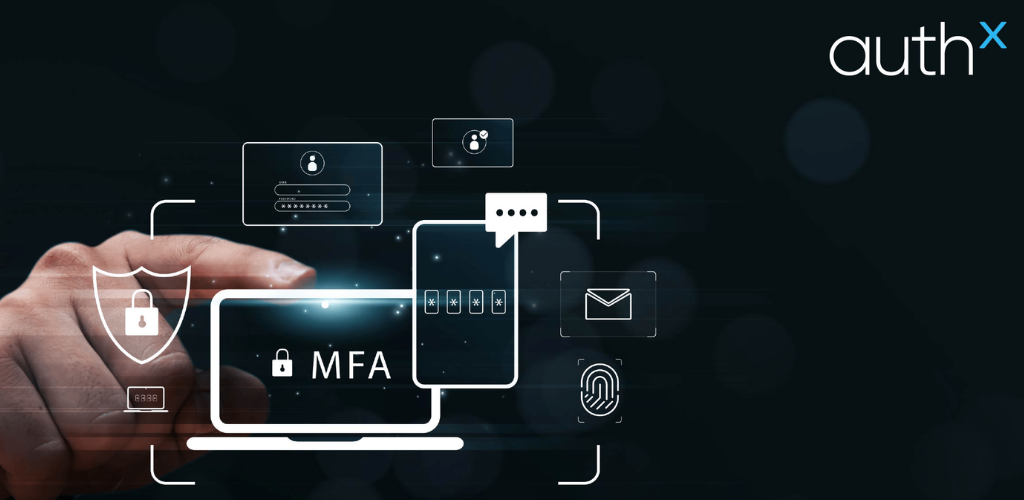
Multi factor authentication solutions adds an extra layer of security by requiring users to present two or more verification factors to gain access. This significantly reduces the likelihood of unauthorized access due to compromised credentials.
The most effective MFA methods include:
-
Authenticator Apps (e.g., Google Authenticator, Microsoft Authenticator): Generate time-based one-time passcodes (TOTP) for secure login.
-
Push Notifications (e.g., Duo Security): Allows users to approve or deny login attempts in real-time.
-
Hardware Tokens (e.g., YubiKey): Provide a physical second factor that is immune to phishing attacks.
-
SMS and Email Codes: While still common, these are less secure due to risks like SIM swapping and interception.
Conclusion
As organizations embrace digital transformation, secure and seamless access control becomes imperative. Single Sign-On, when combined with industry-leading authentication protocols and multi-factor authentication, provides a balanced solution that improves security, reduces IT overhead, and enhances user productivity. By implementing modern SSO solutions like Okta, Azure AD, and Ping Identity alongside strong MFA practices, organizations can ensure their digital assets remain protected in an increasingly complex threat landscape.




 English
 Arabic
 Français
 Português
 Deutsch
 Türkçe
 Dutch
Dutch
 Italiano
 Russian
 Romaian