


Battery Energy Storage System (BESS) Market Opportunities: Rising Demand for Off-Grid and Backup Power Solutions Worldwide
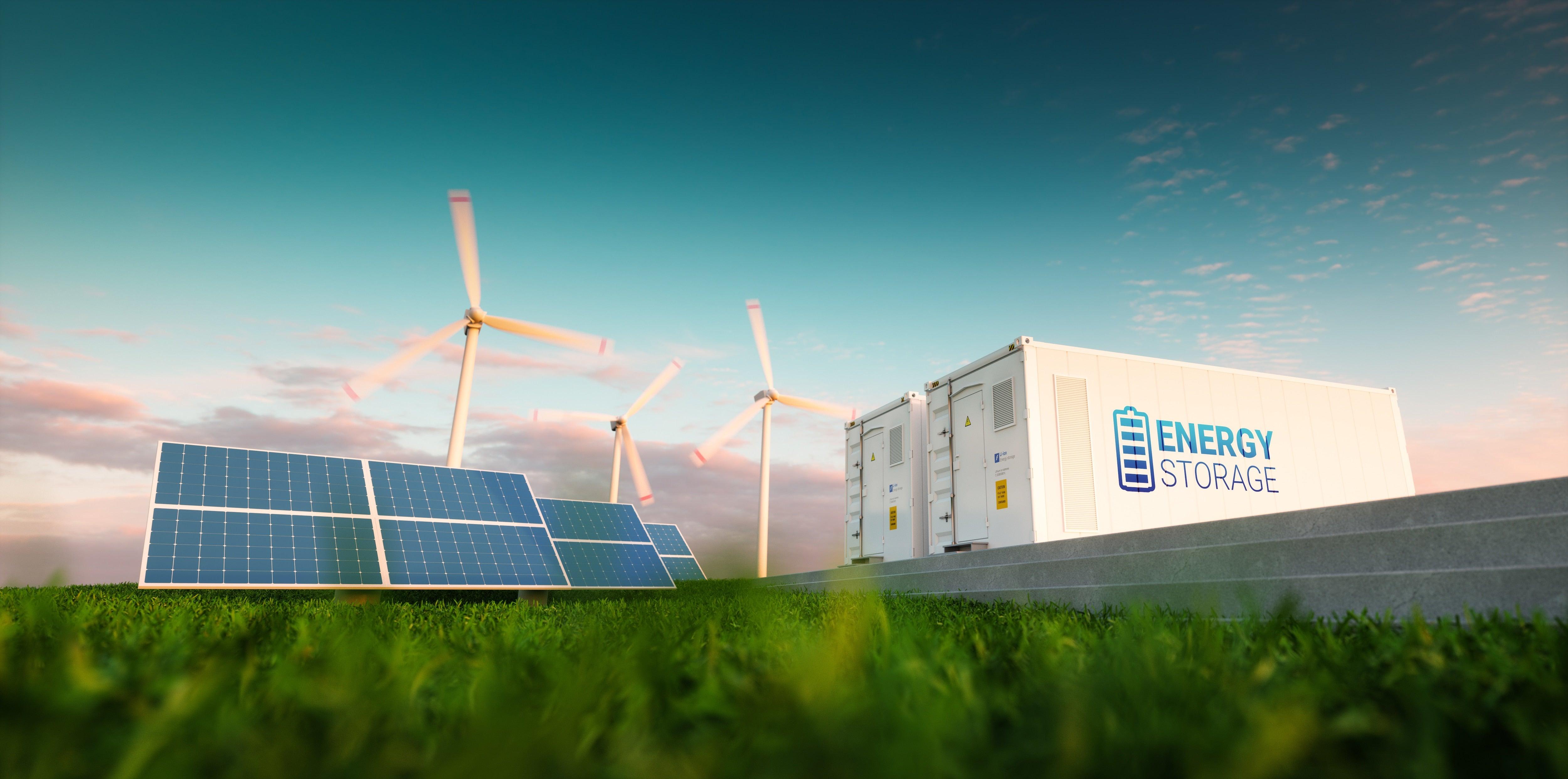
The Battery Energy Storage System (BESS) Market is expanding into new frontiers as the world increasingly seeks energy security, grid independence, and sustainable alternatives to fossil-fuel-powered backup systems. While grid-tied applications have long been the primary driver of BESS deployment, a growing demand for off-grid and backup power solutions is opening fresh opportunities across residential, commercial, industrial, and rural electrification segments. This shift is reshaping the global energy landscape, particularly in remote and underserved regions.
Growing Need for Off-Grid Solutions
Access to reliable electricity remains a major global challenge. According to recent estimates, nearly 700 million people worldwide still lack access to grid electricity, particularly in Sub-Saharan Africa, parts of Asia, and Latin America. Expanding traditional power grids to these remote areas is often economically and logistically unfeasible, making decentralized off-grid energy solutions more practical.
BESS plays a vital role in such off-grid systems by storing electricity generated from renewable sources like solar and wind. This stored energy provides power during non-generation hours, ensuring continuous electricity availability. Compared to diesel generators, BESS-powered systems are cleaner, quieter, more cost-effective over time, and environmentally sustainable.
Off-grid battery systems are especially valuable for applications such as:
-
Rural homes and villages
-
Agricultural irrigation and processing
-
Remote clinics and schools
-
Telecommunications infrastructure
-
Mining and oil exploration camps
These installations improve living standards, support local economic activities, and reduce dependency on polluting fuel-based alternatives.
Backup Power: A Critical Need in Grid-Connected Regions
Even in grid-connected regions, power outages remain a persistent challenge—whether caused by natural disasters, grid instability, or increased demand loads. The growing threat of climate-induced events like storms, wildfires, and heatwaves has exposed vulnerabilities in even the most advanced energy systems.
As a result, there is heightened interest in backup power solutions for homes, businesses, and essential services. BESS is emerging as a preferred alternative to diesel generators for backup energy needs due to several key advantages:
-
Instantaneous power delivery without delay or noise
-
Lower total cost of ownership with no fuel dependency
-
Eco-friendly operations with zero emissions
-
Integration with rooftop solar for sustainable self-generation
In critical infrastructure such as hospitals, data centers, and emergency response facilities, BESS ensures uninterrupted operations during grid failures. In the commercial and residential sectors, battery backup systems are increasingly paired with solar PV to offer resilient, long-term energy independence.
Market Momentum in Emerging Economies
Emerging economies represent some of the most promising markets for BESS applications in off-grid and backup scenarios. Countries such as India, Kenya, Nigeria, and the Philippines are investing in decentralized renewable energy systems to meet energy access and reliability goals.
Public-private partnerships, multilateral development bank support, and donor-funded programs are accelerating rural electrification efforts using solar-plus-storage microgrids and standalone BESS units. These systems are not only reducing energy poverty but also creating employment and improving quality of life.
Furthermore, falling battery costs and government subsidies are making BESS more financially viable for low-income users. Innovative business models, including pay-as-you-go and energy-as-a-service, are helping expand access by reducing upfront investment barriers.
Technological Advancements Enhancing Viability
Advancements in battery technology are making BESS solutions more attractive for both off-grid and backup applications. Lithium-ion batteries remain the dominant technology due to their high energy density, efficiency, and falling costs. However, other technologies like sodium-ion, lead-carbon, and flow batteries are also gaining traction for specific use cases, such as long-duration storage and high-temperature environments.
In addition to hardware improvements, smart software and energy management systems are optimizing battery usage by predicting energy consumption patterns, integrating renewable sources, and enabling remote monitoring and diagnostics. These intelligent systems ensure longer battery life, reduce operational costs, and increase reliability—critical factors for both off-grid and backup deployments.
Strategic Opportunities for Stakeholders
The rise in off-grid and backup power demand presents a range of strategic opportunities:
-
For manufacturers: Develop compact, durable, and modular storage units suited for harsh environments.
-
For utilities and energy providers: Expand service models to include remote microgrid deployment and managed backup systems.
-
For investors: Explore opportunities in energy access initiatives, off-grid infrastructure, and rural electrification funds.
-
For governments and NGOs: Leverage BESS in public programs to improve healthcare, education, and disaster resilience.
Cross-sector collaboration will be essential to accelerate deployments and unlock full market potential.
Conclusion: A Growing Frontier in Global Energy
The Battery Energy Storage System (BESS) market is entering a new era of opportunity, driven by increasing global demand for off-grid and backup power solutions. Whether delivering power to remote communities or providing security during outages in urban centers, BESS is proving to be a versatile and reliable energy resource.
As technology improves and costs decline, BESS adoption will continue to spread across geographies and sectors. Companies that innovate and adapt to the unique requirements of off-grid and backup markets will be well-positioned to lead in the global energy transition.
 Deutsch
 English
 Arabic
 Français
 Español
 Português
 Türkçe
 Dutch
Dutch
 Italiano
 Russian
 Romaian