


Understanding the Difference Between Stainless Steel 436 and 436L Plates
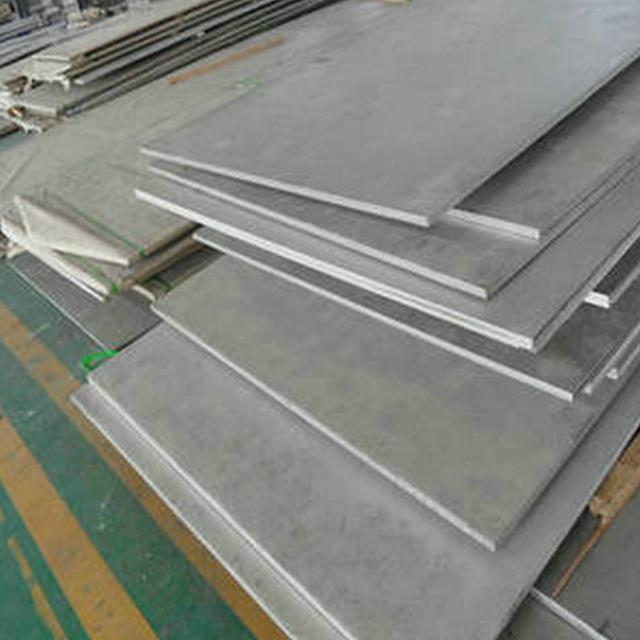
When choosing the right material for industrial and commercial applications, selecting the correct stainless steel grade is crucial. Stainless Steel 436 / 436L Plates are two closely related ferritic stainless steels that offer excellent corrosion resistance and heat resistance. However, subtle differences between them can significantly affect their performance in specific environments.
What Are Stainless Steel 436 and 436L Plates?
Both 436 and 436L are part of the 400 series ferritic stainless steels. They are commonly used in applications requiring moderate corrosion resistance and good formability. The addition of molybdenum enhances their corrosion resistance compared to standard 430 grade.
-
Stainless Steel 436 Plates: Contains a small amount of molybdenum for improved corrosion resistance, particularly in oxidizing environments.
-
Stainless Steel 436L Plates: A low-carbon version of 436, designed to improve weldability and reduce the risk of intergranular corrosion during welding processes.
Key Differences Between 436 and 436L
1. Carbon Content
The most significant difference lies in the carbon content:
-
436: Higher carbon content
-
436L: Lower carbon content (the "L" stands for low carbon)
Lower carbon in 436L minimizes the risk of carbide precipitation during welding, which helps maintain corrosion resistance.
2. Weldability
-
436L Plates are more suitable for welding applications due to their low carbon levels.
-
436 Plates may require post-weld heat treatment in critical applications to avoid corrosion issues.
3. Corrosion Resistance
While both grades offer good resistance to corrosion:
-
436L Plates provide slightly better resistance in welded conditions.
-
436 Plates are suitable for applications that don’t involve welding or require additional heat treatment.
4. Application Suitability
-
436 Plates are typically used in automotive trims, heat exchangers, and household appliances.
-
436L Plates are preferred in applications where welding is necessary, such as kitchen equipment, exhaust systems, and industrial tanks.
Applications of Stainless Steel 436 / 436L Plates
-
Automotive exhaust systems
-
Kitchen equipment and commercial appliances
-
Architectural and structural applications
-
Heat exchangers and furnace components
Conclusion
While both Stainless Steel 436 / 436L Plates offer robust corrosion resistance and performance, your choice depends on the specific requirements of your application. For welded structures, 436L provides an edge due to its improved weldability and resistance to intergranular corrosion. For general-use scenarios without welding, 436 may be a cost-effective and efficient option. Always consult with material experts or trusted suppliers to ensure the best fit for your project.

 English
 Arabic
 Français
 Español
 Português
 Deutsch
 Türkçe
 Dutch
Dutch
 Italiano
 Russian