


Core Components of Marine Engines An Engineer’s Reference
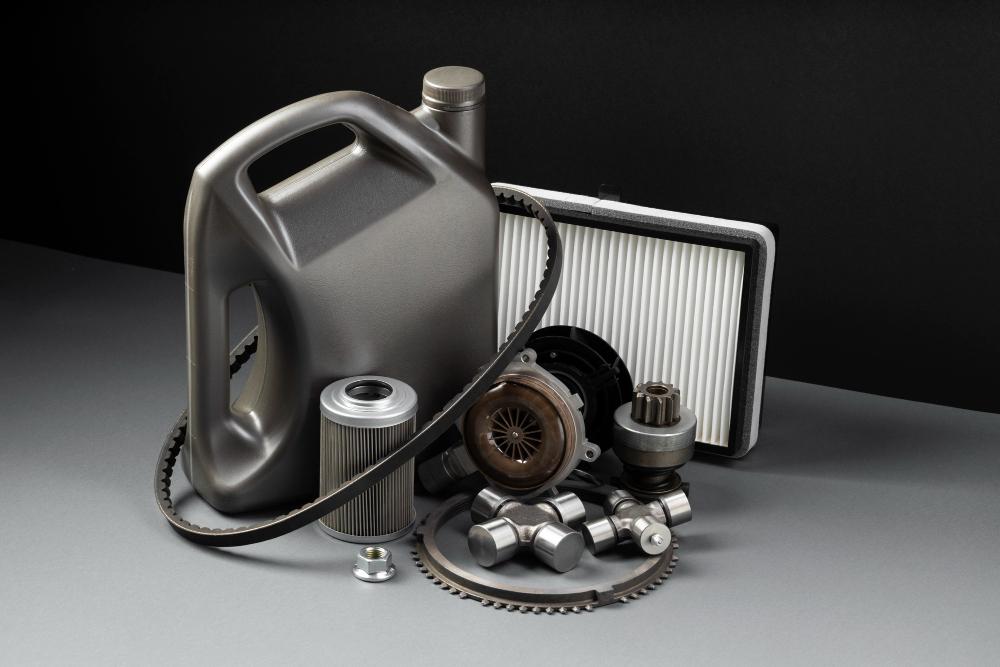
A marine engine is the powerhouse of any vessel, whether it’s a commercial ship, a fishing boat, or a luxury yacht. While the engine as a whole is impressive, it’s the individual parts working in harmony that ensure reliable performance, fuel efficiency, and long service life. Understanding these critical marine engine parts not only helps with maintenance and troubleshooting but also enhances overall marine operations.
Cylinder Head
The cylinder head sits atop the engine block and seals the combustion chamber. It houses valves, injectors, and ports, playing a vital role in controlling air and fuel flow and withstanding high pressures and temperatures.
Pistons and Connecting Rods
Pistons move up and down within the cylinders, converting combustion energy into mechanical force. The connecting rods link the pistons to the crankshaft, translating linear motion into rotary motion that powers the propeller shaft.
Crankshaft
The crankshaft is the main rotating shaft that receives energy from the pistons. It’s a heavy-duty component designed to endure high stress and is crucial for transforming combustion energy into propulsion.
Fuel Injection System
The fuel injection system delivers fuel into the combustion chamber with precision. This includes fuel pumps, injectors, and nozzles, all responsible for atomizing fuel to ensure efficient combustion and lower emissions.
Turbocharger
A turbocharger increases engine efficiency by compressing the intake air, allowing more oxygen into the combustion chamber. This leads to better fuel burn, more power, and improved engine performance.
Cooling System
Marine engines operate under intense conditions, so an effective cooling system—including heat exchangers, sea water pumps, and thermostats—prevents overheating and ensures consistent performance.
Lubrication System
The lubrication system keeps all moving parts well-oiled to reduce friction and wear. Key components include oil pumps, filters, and coolers that maintain oil quality and pressure.
Exhaust System
After combustion, gases are expelled through the exhaust system, which includes exhaust valves, manifolds, and silencers. Efficient exhaust systems reduce noise and emissions while protecting the engine.
Starting System
The starter motor or air-start system initiates engine operation. In large marine engines, compressed air systems are often used to start the engine instead of electric starters.
Control and Monitoring Systems
Modern marine engines come equipped with electronic monitoring and control systems that provide real-time data on engine performance, helping crews maintain safe and efficient operations.
Final Thoughts
Every part of a marine engine is designed for a specific purpose, and the failure of just one component can affect the performance or safety of an entire vessel. Regular maintenance, timely replacement, and understanding each part’s role are key to ensuring engine longevity and efficiency.

 English
 Arabic
 Français
 Español
 Português
 Deutsch
 Türkçe
 Italiano
 Russian
 Romaian