


Thermoform Packaging Market Developments Include Biodegradable Materials and Advanced Sealing Technologies
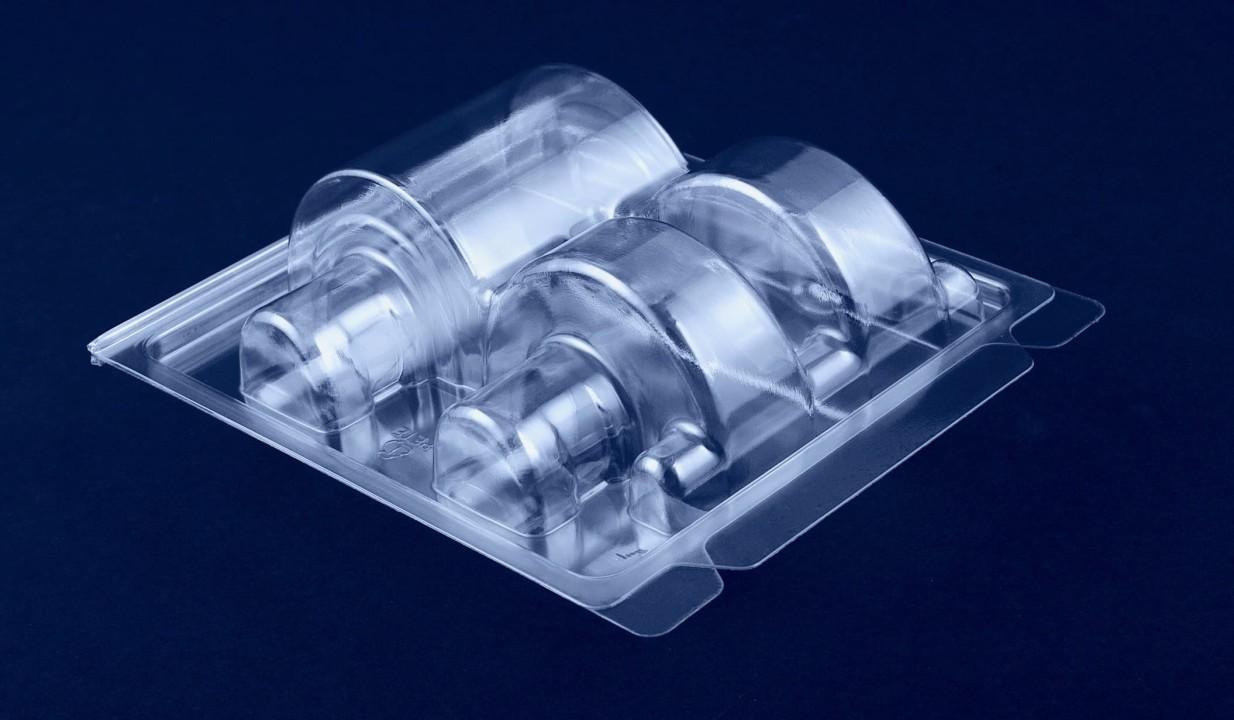
The Thermoform Packaging Market is undergoing transformative development, fueled by the urgent demand for sustainable solutions and enhanced functionality. With environmental policies tightening and consumer awareness growing, the industry is investing heavily in biodegradable materials and innovative sealing technologies. These developments aim to reduce environmental impact, extend product shelf life, and provide dependable packaging performance across critical sectors.
Thermoforming, traditionally reliant on petroleum-based plastics, is now evolving to incorporate alternative materials and smarter production methods. The result is a new generation of packaging that balances performance with environmental responsibility, particularly in industries where hygiene and protection are paramount.
Biodegradable Materials: Reducing Environmental Footprints
Biodegradable materials are redefining how thermoform packaging contributes to circular economies. New substrates are engineered to break down naturally under industrial composting conditions or even home composting environments, including:
-
Polylactic Acid (PLA) derived from cornstarch or sugarcane
-
Polyhydroxyalkanoates (PHA) produced via microbial fermentation
-
Cellulose-based films and sheets offering natural decomposition
These materials can be thermoformed into trays, clamshells, and blister packs suitable for low to moderate barrier needs. PLA, for instance, has found applications in bakery containers, produce trays, and dairy cup formats.
PHA-based thermoform packs offer additional promise due to their marine biodegradability, making them attractive for coastal markets and eco-conscious brands. Manufacturers are blending these materials with compostable adhesives and inks to ensure full-package compostability.
Challenges and Breakthroughs in Biodegradable Thermoforming
While biodegradable materials offer sustainability benefits, challenges remain in achieving parity with traditional plastics in terms of:
-
Barrier performance (moisture, oxygen, aroma)
-
Heat resistance for hot-fill applications
-
Mechanical strength during stacking and transit
Recent breakthroughs, however, have shown that combining biodegradable polymers with nano-clay additives or plant-based coatings can dramatically improve their performance metrics. R&D efforts are also focusing on creating multi-layer biodegradable structures that deliver both functionality and environmental compliance.
Next-Generation Sealing Technologies: Precision and Protection
Sealing technology is crucial for maintaining product integrity in thermoformed packaging. Innovations in this area are transforming the effectiveness of package closures while improving speed and flexibility in production lines. Key developments include:
-
Laser-assisted sealing, allowing precise, contamination-free closure of heat-sensitive products
-
Ultrasonic sealing systems, offering energy efficiency and superior bond strength
-
Peel-reseal film systems, ideal for multi-use food and snack packs
These advanced methods ensure hermetic seals that prevent tampering, contamination, and spoilage. In the pharmaceutical sector, high-integrity seals are essential for compliance with FDA and EMA regulations, especially for blister packs containing tablets or injectables.
Integration of Eco-Friendly and Functional Lidding Films
The development of biodegradable or recyclable lidding films complements advances in base materials. These include:
-
Compostable cellulose films for dairy and dry foods
-
Recyclable mono-material lids using PET or PP
-
Barrier-coated paper lids for semi-moist applications
Compatibility between thermoform base and lidding materials is critical for recycling and composting. Industry players are aligning lidding substrates with base polymers to meet single-stream recycling goals, minimizing sorting complexities at material recovery facilities (MRFs).
Use Case Highlights: Food, Healthcare, and Personal Care
Biodegradable and advanced-seal thermoform packaging is being adopted in:
Food Industry:
-
Fresh produce, deli, and baked goods packaged in PLA or cellulose trays with compostable lids
-
Ready meals using high-barrier compostable MAP trays
Healthcare Sector:
-
Single-dose blister packs using PHA-based films with tamper-evident ultrasonic seals
-
Biodegradable diagnostic kit trays ensuring infection control and sustainability
Personal Care Products:
-
Compostable clamshells for razors and toothbrushes
-
Skin-care ampoule trays with resealable and recyclable lidding
These use cases demonstrate how sustainability and functionality are being balanced through advanced materials and sealing systems.
Market Dynamics: Cost, Scalability, and Consumer Acceptance
Adoption of biodegradable thermoform packaging hinges on economic feasibility. Although initial costs are higher than conventional plastics, economies of scale and regulatory incentives are reducing the gap. Factors accelerating adoption include:
-
Retailer mandates on sustainable packaging
-
Government subsidies for compostable material innovation
-
Consumer preference for environmentally friendly products
Brands are increasingly willing to invest in sustainable packaging as a key differentiator in saturated markets. Certifications like OK Compost, TUV Austria, and USDA BioPreferred also help in building trust and credibility.
Collaborations and Industry Investments
To overcome technological and supply chain challenges, companies are engaging in collaborations and strategic investments:
-
Joint ventures with biopolymer producers to secure material access
-
Investment in bio-sealing equipment to handle new film characteristics
-
R&D partnerships with academic institutions for material testing
Such alliances are expected to accelerate product innovation while ensuring compliance with emerging global standards.
Conclusion: Innovation Anchored in Responsibility
The Thermoform Packaging Market is advancing rapidly through the integration of biodegradable materials and next-gen sealing technologies. These developments not only meet sustainability benchmarks but also enhance the functional performance demanded by modern food, healthcare, and personal care applications.

 Arabic
 Français
 Español
 Português
 Deutsch
 Türkçe
 Dutch
Dutch
 Italiano
 Russian
 Romaian