


Smart TV Stick Market Innovation Stalled by Fragmentation Infrastructure Gaps and Consumer Awareness
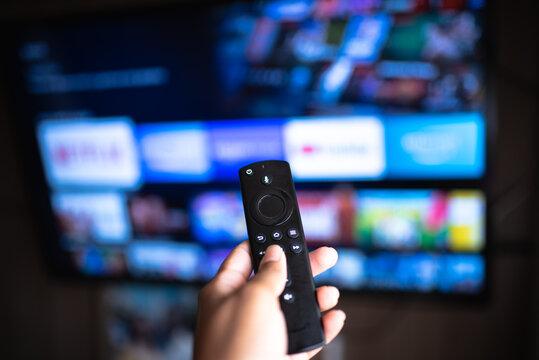
The Smart TV Stick market has rapidly expanded in recent years, transforming standard televisions into streaming-enabled smart devices. These compact plug-and-play devices have gained popularity due to their affordability and ease of use. However, despite their increasing demand, the market is facing a variety of challenges that hinder its full potential. This article delves into the core obstacles impacting the growth and sustainability of the Smart TV Stick industry.
1. Technological Fragmentation and Compatibility Issues
One of the primary challenges in the Smart TV Stick market is the fragmentation of operating systems and platforms. Major players like Amazon Fire TV, Google Chromecast, and Roku operate on proprietary ecosystems, leading to limited cross-platform compatibility. Many apps and services are optimized for only one or two ecosystems, restricting consumers’ access to the full range of content.
Moreover, not all TV models or HDMI ports offer universal compatibility, especially in older devices or budget models. This leads to consumer frustration, high return rates, and added pressure on customer support services. Some devices also suffer from lag, low memory, and inconsistent firmware updates, making them less appealing in the long term.
2. Intense Market Competition and Pricing Pressure
The Smart TV Stick segment is saturated with both global giants and emerging regional brands, intensifying price wars. As companies compete on cost, profit margins are squeezed, limiting the ability to invest in innovation or quality upgrades. This commoditization trend can undermine the perceived value of these devices and hurt long-term customer loyalty.
Additionally, frequent discounting and bundled sales during festivals or online sales events condition consumers to wait for deals rather than purchasing at standard prices. This volatile pricing behavior makes revenue forecasting and inventory management difficult for manufacturers and retailers alike.
3. Dependence on High-Speed Internet Infrastructure
Smart TV Sticks heavily rely on stable, high-speed internet connections to function optimally. In developing regions or rural areas, where broadband penetration and speeds remain inconsistent, users often experience poor streaming quality, buffering, or app crashes. This results in a degraded user experience that can tarnish brand reputation.
Although some manufacturers offer adaptive streaming technologies, they are often insufficient for areas with subpar infrastructure. Until global broadband access and reliability improve significantly, the full market potential of smart TV sticks will remain untapped.
4. Content Access Restrictions and Licensing Issues
Another major challenge in the market is the limitation posed by regional content restrictions and licensing laws. Content availability often varies by geography due to distribution agreements. Consumers in one country may not have access to the same movies, series, or sports channels as users elsewhere, even with the same device and app.
These limitations encourage the use of virtual private networks (VPNs), which many platforms actively try to block. The constant tug-of-war between user demand and platform enforcement creates a confusing and inconsistent user experience. It also reduces the perceived utility of smart TV sticks for international users or frequent travelers.
5. Privacy Concerns and Regulatory Pressures
Data privacy is becoming a significant concern among consumers and regulators. Many smart TV sticks collect user data to personalize content and advertising. However, this data collection practice has triggered scrutiny from governments and watchdog organizations worldwide. As privacy regulations like GDPR in Europe and similar laws elsewhere tighten, smart TV stick manufacturers must adapt to avoid fines and maintain consumer trust.
Navigating these evolving legal landscapes requires substantial investment in legal compliance and cybersecurity measures, particularly for global brands operating in multiple jurisdictions. Smaller players often struggle to keep up, leading to market consolidation and reduced competition.
6. Limited Consumer Awareness and Technical Know-How
While smart TV sticks are relatively easy to use, many potential users, especially in older demographics or less tech-savvy households, remain unaware of their benefits or unsure about how to use them. This lack of awareness limits adoption in certain market segments.
Additionally, installation and troubleshooting can still be intimidating for some users. Without proper customer education and post-sales support, adoption rates may plateau even in high-potential markets.
Conclusion
The Smart TV Stick market holds immense promise, particularly as streaming continues to outpace traditional cable. However, it must overcome several significant challenges, including technological fragmentation, competitive pressure, content restrictions, internet dependency, and regulatory concerns. Companies that can innovate through these barriers—while maintaining affordability and user-friendliness—will shape the future of this dynamic and evolving market.

 English
 Français
 Español
 Português
 Deutsch
 Türkçe
 Dutch
Dutch
 Italiano
 Russian
 Romaian