


Airborne Fire Control Radar Market Inhibitors Include Cost, Integration Complexity, and Regulatory Barriers Worldwide
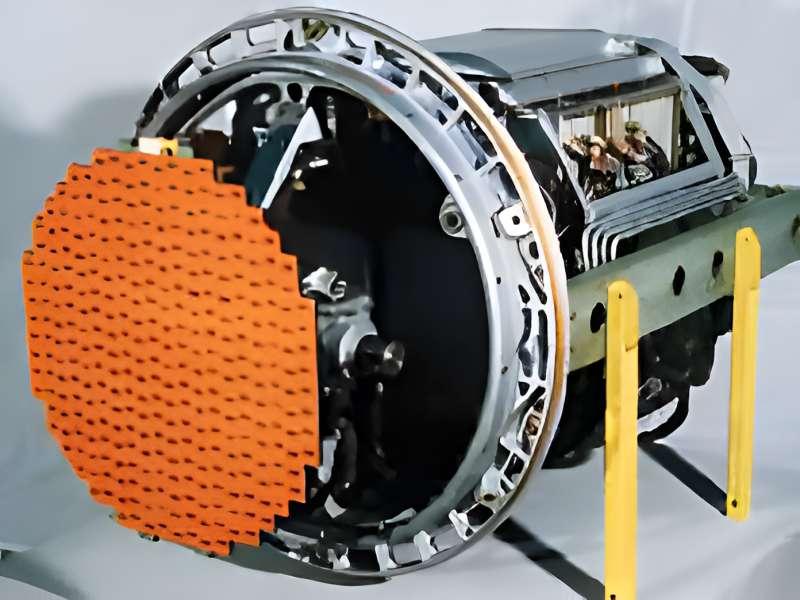
The airborne fire control radar market inhibitors are increasingly drawing attention as global demand for advanced military technologies grows. Despite steady innovation and rising defense budgets, several persistent challenges continue to slow the adoption and deployment of airborne fire control radar systems worldwide. These radars play a critical role in modern aerial warfare, offering precise target detection, tracking, and fire guidance functions on fighter jets, surveillance aircraft, and drones.
While technological progress and military modernization efforts are pushing the market forward, there are several key inhibitors affecting the pace and scale of growth. These include high development and production costs, integration challenges with legacy systems, strict regulatory controls, and cybersecurity risks. Understanding these barriers is essential for stakeholders aiming to capitalize on opportunities while addressing market limitations.
High Development and Procurement Costs
One of the most significant inhibitors of the airborne fire control radar market is the substantial cost associated with the design, development, testing, and procurement of these systems. Advanced radar technologies — especially those utilizing active electronically scanned array (AESA) — require significant R&D investment, cutting-edge materials, and specialized manufacturing facilities.
This cost becomes even more pronounced when developing radars for stealth aircraft or UAVs that demand compact, lightweight, and power-efficient systems without compromising performance. For many nations with limited defense budgets, the high price tag limits their ability to adopt or upgrade airborne radar capabilities at scale.
Moreover, the long development cycles and stringent military standards further increase overall program costs. This creates hesitation among procurement agencies, especially in developing economies where defense spending is already constrained.
Complexity of Integration with Legacy Aircraft
Another prominent barrier is the complexity of integrating modern radar systems into existing aircraft platforms. Many air forces around the world still operate older generation fighter jets and bombers that were not originally designed to accommodate today's sophisticated radar systems.
Retrofit efforts require significant structural, electrical, and software modifications, which can be both time-consuming and expensive. In some cases, these upgrades may lead to reduced performance or require trade-offs in weight, fuel efficiency, or avionics compatibility.
This integration difficulty often results in the postponement or cancellation of modernization projects, particularly in countries that cannot afford to purchase entirely new fleets of aircraft. Additionally, the availability of skilled personnel and infrastructure to support such complex upgrades acts as another barrier, especially in regions with underdeveloped aerospace industries.
Export Regulations and Government Restrictions
The global defense market is heavily regulated, with many countries enforcing strict rules on the export of sensitive military technologies such as fire control radars. These export controls are especially tight when dealing with countries that are not members of strategic alliances or have uncertain political alignments.
Manufacturers face significant challenges navigating licensing procedures, compliance standards, and end-user agreements. These regulations not only delay deals but sometimes force companies to forego promising opportunities altogether due to geopolitical risks or diplomatic constraints.
Additionally, some nations impose domestic content requirements or insist on local assembly and technology transfer, which further complicates international business operations and reduces profitability. The result is a fragmented market where access is often determined by political alliances rather than market demand or capability alone.
Technological and Cybersecurity Challenges
As radar systems become increasingly sophisticated and software-driven, cybersecurity and electronic warfare vulnerabilities have emerged as major concerns. Fire control radars, when linked to digital command networks or AI-enabled decision-making tools, are susceptible to hacking, jamming, and spoofing attacks.
Developing radars with built-in cyber resilience requires additional investment in encryption, anti-jamming technology, and robust system architecture. For many defense forces and manufacturers, meeting these cybersecurity standards without compromising radar performance or increasing costs remains a difficult balance.
Furthermore, interoperability issues between different radar types, platforms, and allied systems continue to be a concern in multinational operations. Ensuring seamless communication across different hardware and software ecosystems requires complex coordination and technical standardization, which slows down development timelines and increases costs.
Limited Skilled Workforce and Technical Training
The complexity of airborne fire control radar systems demands a highly skilled workforce capable of research, design, integration, and maintenance. However, there is a noticeable shortage of radar specialists and trained personnel in many parts of the world, particularly in emerging defense markets.
This skills gap not only affects production rates but also limits the ability of nations to operate and maintain radar systems independently. As a result, many defense buyers remain dependent on foreign support, which increases long-term operational costs and reduces national security autonomy.
Conclusion: Addressing Inhibitors for Long-Term Growth
Despite these inhibitors, the airborne fire control radar market continues to demonstrate long-term growth potential due to rising defense requirements and technological innovation. However, addressing the outlined challenges is crucial to unlocking wider adoption and maximizing the benefits of radar capabilities across military platforms.
Industry players must focus on cost-effective design, modular and scalable technologies, and strategic partnerships to navigate regulatory and operational hurdles. Governments, in turn, should invest in workforce development, infrastructure, and international collaboration to enhance market accessibility and technological self-reliance.
In conclusion, while the airborne fire control radar market faces several significant inhibitors, proactive strategies can mitigate these challenges and sustain growth in a rapidly evolving global defense landscape.

 English
 Arabic
 Français
 Español
 Deutsch
 Türkçe
 Dutch
Dutch
 Italiano
 Russian
 Romaian