


Advancing Electrical Infrastructure with Instrument Transformers: Market Outlook and Emerging Solutions
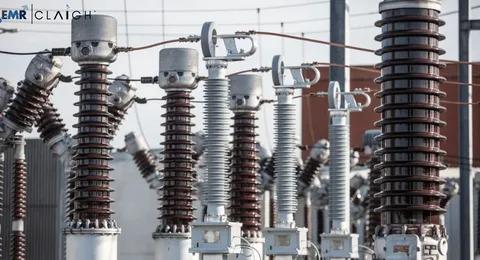
Instrument ransformers are an indispensable part of modern power systems, enabling the safe and accurate measurement of electrical parameters such as voltage, current, and power. These devices are designed to transform high-voltage or high-current levels into lower, standardized values that can be measured safely by meters, protective relays, and control equipment.
Between 2025 and 2030, the instrument transformer market is expected to experience notable technological advancements and an expansion in applications, driven by the global transition toward smarter grids, renewable energy integration, and the need for precision monitoring in industrial environments. Unlike conventional transformers, instrument transformers are specifically engineered for measurement and protection, playing a critical role in both power generation and distribution.
This report explores the latest trends, technological innovations, application advancements, and strategic developments shaping the future of the global instrument transformer market, without including any economic projections, but instead focusing on the technical and operational aspects.
Click here to download the sample report
2. Market Overview
Instrument transformers are broadly classified into three main categories:
- Current Transformers (CTs) – Convert high current into a proportional lower current for measurement or protection purposes.
- Voltage Transformers (VTs) / Potential Transformers (PTs) – Step down high voltage to a lower, standardized voltage for measurement.
- Combined Instrument Transformers – Integrate both current and voltage measurement functions into a single device.
They are widely deployed in power plants, substations, renewable energy facilities, industrial operations, railways, and other infrastructure where precise monitoring is essential. Their accuracy ensures reliable operation of metering equipment, facilitates fault detection, and supports grid stability.
3. Technological Innovations Driving the Market
3.1 Digital Instrument Transformers
The shift from analog to digital has transformed how instrument transformers operate. Digital instrument transformers, often integrated with merging units, transmit measurement data via digital communication protocols like IEC 61850. This enables seamless integration into smart grids and enhances real-time monitoring capabilities.
Key benefits include:
- Improved accuracy across wider operating ranges
- Reduction of electromagnetic interference in signal transmission
- Easier calibration and maintenance
- Enhanced data analytics for predictive maintenance
3.2 Optical Current Transformers (OCTs)
Optical sensing technology is gaining traction for its ability to measure current without a direct electrical connection. OCTs use the Faraday Effect to measure current flow with high precision, offering safety, immunity to electromagnetic interference, and the capability to function in extreme environmental conditions.
3.3 Gas-Insulated Instrument Transformers
Gas-insulated designs, often using SF₆ or eco-friendly alternatives, are being adopted for compact substations and space-limited installations. These designs offer superior insulation, minimal maintenance, and extended service life, making them ideal for urban power networks.
3.4 IoT-Enabled Monitoring
Integrating Internet of Things (IoT) capabilities into instrument transformers allows operators to monitor real-time performance parameters remotely. With predictive analytics, utilities can detect early signs of faults, optimize load distribution, and reduce unplanned outages.
3.5 Advanced Insulation Materials
Innovations in insulation materials, such as high-performance composites and silicone rubbers, have improved thermal stability, moisture resistance, and mechanical strength. This extends the operational life of instrument transformers even in harsh environments.
3.6 Non-Conventional Instrument Transformers (NCITs)
NCITs utilize advanced sensing elements and require minimal secondary wiring, offering advantages such as lightweight design, reduced installation time, and better adaptability to renewable integration projects.
4. Application Advancements
4.1 Smart Grid Deployment
Instrument transformers are vital for smart grid applications, where they provide accurate real-time data for automated decision-making. They support load balancing, voltage regulation, and fault location systems.
4.2 Renewable Energy Integration
In wind and solar farms, instrument transformers measure output parameters to ensure synchronization with the grid. They help maintain stability despite the intermittent nature of renewable energy sources.
4.3 High-Voltage Direct Current (HVDC) Systems
With HVDC transmission gaining popularity for long-distance power transfer, instrument transformers capable of functioning in DC environments are becoming increasingly important.
4.4 Rail Electrification
Railway networks rely on precise voltage and current measurements for safe train operation, especially in high-speed and urban metro systems. Instrument transformers in traction substations help maintain efficiency and safety.
4.5 Industrial Automation
Industrial facilities use instrument transformers to monitor electrical systems, optimize equipment performance, and prevent overloads, thereby enhancing productivity.
4.6 Data Center Power Management
The rise of hyperscale data centers demands precise monitoring of electrical parameters to prevent downtime. Instrument transformers are integral to ensuring stable and efficient operations.
5. Design and Engineering Trends
5.1 Compact and Modular Designs
Modern designs emphasize compactness without compromising performance, allowing easier installation in space-constrained environments.
5.2 Enhanced Safety Mechanisms
Improved insulation, fire-resistant housings, and advanced grounding methods are enhancing safety levels, reducing risks during operation.
5.3 Eco-Friendly Manufacturing
Manufacturers are exploring environmentally sustainable processes, such as using biodegradable insulation oils and recyclable components.
5.4 Condition Monitoring Integration
Embedded sensors and communication interfaces enable continuous condition monitoring, which supports predictive maintenance strategies.
6. Standards and Compliance
Instrument transformers must meet stringent international standards to ensure safety, reliability, and interoperability. Commonly referenced standards include:
- IEC 61869 Series – Defines general requirements for instrument transformers.
- IEEE C57 Standards – Specifies performance criteria for current and voltage transformers.
- ANSI Standards – Provide regional compliance requirements in North America.
7. Challenges and Considerations
While the market shows strong potential, there are operational and technical challenges:
- Managing electromagnetic interference in dense electrical environments
- Ensuring compatibility between conventional and digital systems
- Addressing the environmental impact of insulation gases like SF₆
- Training workforce to handle advanced digital monitoring systems
8. Future Outlook (2025–2030)
The future of instrument transformers will be shaped by:
- Full digital integration with AI-powered diagnostics
- Expanded use of eco-friendly insulation and SF₆-free designs
- Widespread adoption of NCITs in renewables and smart cities
- Increased standardization for interoperability across global grids
- Closer integration with cloud-based energy management platforms
The convergence of digital technology, IoT, and renewable integration will redefine the role of instrument transformers from passive measurement devices to active components in intelligent power systems.
9. Top Key Players in the Instrument Transformer Market
- ABB Ltd.
- Siemens Energy
- General Electric (GE) Grid Solutions
- Schneider Electric
- Mitsubishi Electric Corporation
- Arteche Group
- Toshiba Energy Systems & Solutions Corporation
- Pfiffner Instrument Transformers Ltd.
- Trench Group
- Indian Transformers Company Pvt. Ltd.
- CG Power and Industrial Solutions Limited
- Emek Elektrik Endüstrisi A.Ş.
- ZIV Automation
- Instrument Transformer Equipment Corp. (ITEC)
- Jiangsu Sieyuan Hertz Instrument Transformer Co., Ltd.
10. Conclusion
The period between 2025 and 2030 marks a transformative era for the instrument transformer industry. As power systems evolve into highly automated, data-driven networks, instrument transformers will serve as critical enablers of grid reliability, renewable integration, and operational safety. The adoption of digital, optical, and IoT-enabled technologies will redefine the scope of their applications, ensuring they remain central to modern electrical infrastructure.
From HVDC transmission to industrial automation, the demand for precision measurement devices will continue to grow, paving the way for innovative designs, environmentally conscious manufacturing, and smarter energy management strategies.

 English
 Arabic
 Français
 Español
 Português
 Deutsch
 Türkçe
 Dutch
Dutch
 Italiano
 Romaian