


“Interior Design Made Easy: A Beginner’s Guide to Beautiful Spaces”
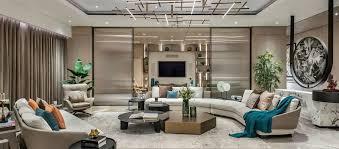
What Is Interior Design?
Interior design is the art of making indoor spaces look good and feel comfortable. It’s about choosing the right colors, furniture, lighting, and decorations to create a space that matches your style and needs. Whether it’s your home, office, or shop, good interior design helps you enjoy the space more and use it better.
Interior design is not just about beauty—it’s also about function. A well-designed room makes daily life easier. For example, a kitchen with smart storage saves time, and a bedroom with calming colors helps you sleep better.
Why Interior Design Matters
Here are a few reasons why interior design is important:
- Comfort: A well-designed space feels relaxing and peaceful.
- Functionality: It helps you use your space wisely, with smart layouts and storage.
- Mood: Colors and lighting affect how you feel. Bright spaces can make you feel happy and energetic, while soft tones can help you relax.
- Style: Your space reflects your personality. Interior design lets you show who you are through your home or office.
- Value: A nicely designed space can increase the value of your property.
Key Elements of Interior Design
Let’s look at the basic parts of interior design:
1. Color
Color sets the mood of a room. Light colors like white and beige make a space look bigger and brighter. Dark colors like navy or charcoal add depth and drama. You can mix colors to create contrast or harmony.
2. Furniture
Furniture should match the size of the room and your lifestyle. In a small room, choose compact furniture. In a large room, go for bigger pieces that fill the space. Comfort is key—so always test furniture before buying.
3. Lighting
Lighting changes how a room looks and feels. Natural light is best, so use big windows or light curtains. Add lamps, ceiling lights, and wall lights to brighten dark corners. Warm lights make a room cozy, while cool lights are good for workspaces.
4. Textures and Materials
Mixing textures—like wood, metal, fabric, and glass—adds interest. Soft materials like cushions and rugs make a room feel warm. Hard materials like stone and metal give a modern look.
5. Layout
Think about how people move in the space. Don’t block pathways with furniture. Keep things easy to reach. A good layout makes the room feel open and organized.
6. Decor
Decor includes art, plants, mirrors, and accessories. These small items add personality. Choose decor that matches your theme—like vintage, modern, or eco-friendly.
Popular Interior Design Styles
Here are a few common styles you might like:
- Minimalist: Clean lines, simple colors, and less furniture. Focuses on space and calmness.
- Modern: Sleek furniture, neutral colors, and smart lighting. Often uses glass, metal, and polished wood.
- Traditional: Rich colors, classic furniture, and detailed decor. Feels warm and timeless.
- Bohemian: Colorful, artistic, and full of patterns. Uses handmade items and natural materials.
- Eco-Friendly: Uses sustainable materials like bamboo, recycled wood, and organic fabrics. Focuses on nature and health.
Tips for Designing Your Space
Here are some easy tips to help you get started:
- Start with a plan: Think about what you need from the space. Is it for relaxing, working, or entertaining?
- Choose a color theme: Pick 2–3 colors that go well together. Use them for walls, furniture, and decor.
- Use natural light: Open windows and use light curtains to let sunlight in.
- Add plants: Indoor plants clean the air and make rooms feel fresh.
- Keep it tidy: Clutter makes a space feel small. Use shelves, boxes, and baskets to stay organized.
- Mix old and new: Combine modern furniture with vintage pieces for a unique look.
- Make it personal: Add photos, handmade items, or souvenirs to make the space truly yours.
Interior Design on a Budget
You don’t need to spend a lot to make your space beautiful. Here are some budget-friendly ideas:
- DIY decor: Make your own wall art, cushion covers, or furniture.
- Reuse and recycle: Give old furniture a new look with paint or fabric.
- Shop smart: Look for deals online or at local markets.
- Focus on key areas: Start with one room or corner and build slowly.
- Use digital tools: Try free apps or planners to visualize your design before buying anything.
Eco-Friendly Interior Design
Since you care about sustainability, here are some ideas for eco-friendly design:
- Use natural materials like jute, bamboo, and cotton.
- Choose furniture made from recycled wood or metal.
- Avoid plastic decor and go for handmade or local items.
- Use LED lights to save energy.
- Decorate with indoor plants to improve air quality.

 Arabic
 Français
 Español
 Português
 Deutsch
 Türkçe
 Dutch
Dutch
 Italiano
 Russian
 Romaian