


PVC Foam Board – Alrish
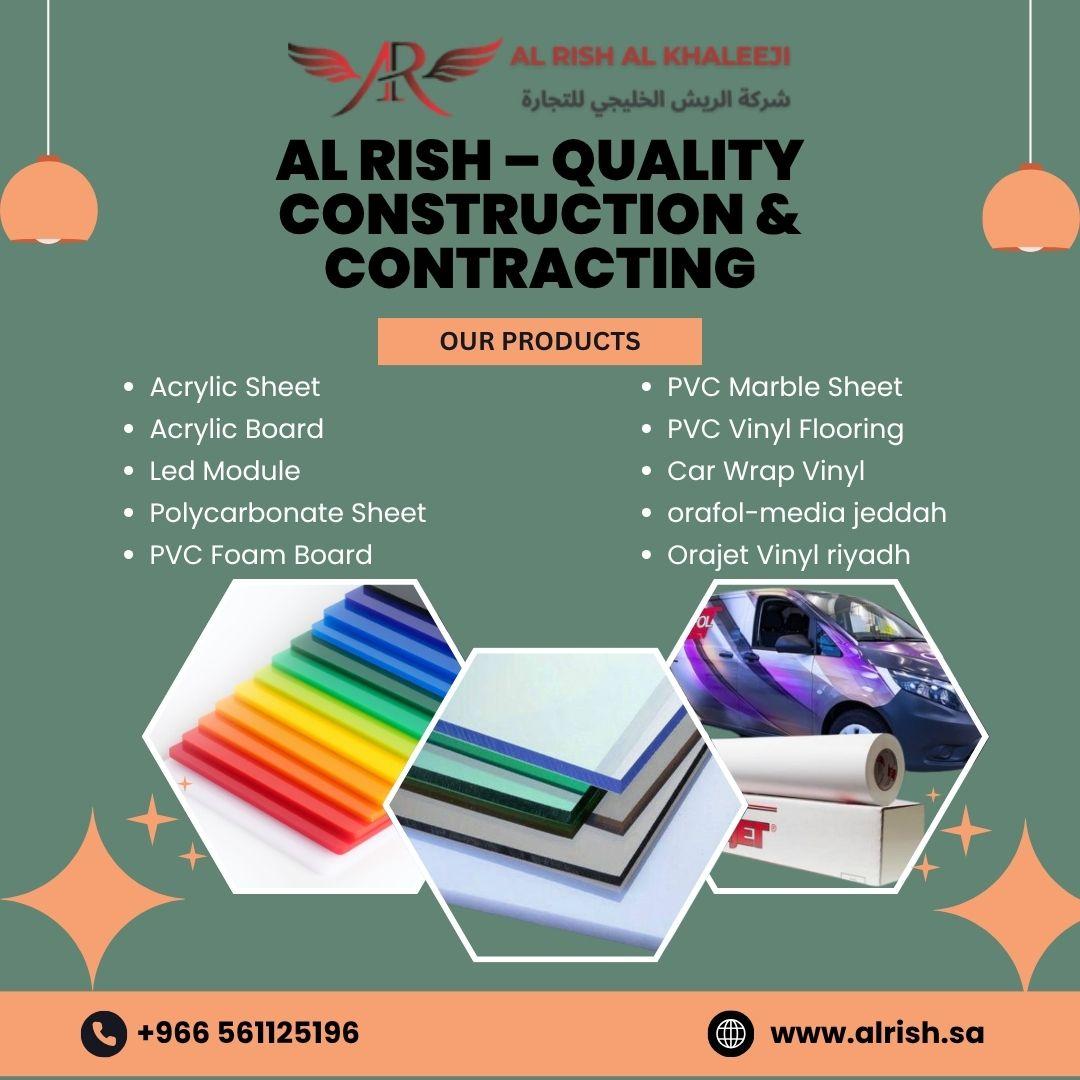
When it comes to versatile, durable, and cost-effective materials, PVC foam board stands out as one of the most popular choices across industries. Whether used for signage, furniture, displays, or interior design, PVC foam board offers exceptional qualities that make it an ideal alternative to traditional materials like wood, plywood, or metal. Its lightweight yet strong structure makes it easy to handle, cut, and customize, while its resistance to water, fire, and chemicals ensures long-lasting performance.
In this blog, we’ll explore what PVC foam board is, its key benefits, applications, and why it has become a go-to choice for businesses and individuals worldwide.
What is PVC Foam Board?
PVC foam board is a lightweight, rigid sheet made from polyvinyl chloride (PVC) resin and additives. During the manufacturing process, the material is foamed to create a smooth, uniform surface that is easy to print on, paint, and fabricate. Despite being light, PVC foam board is strong and resistant to wear, making it suitable for both indoor and outdoor use.
It comes in various thicknesses, densities, and colors, giving businesses and designers flexibility to choose the right type for their projects.
Key Benefits of PVC Foam Board
1. Lightweight and Strong
PVC foam board is surprisingly light yet offers excellent rigidity. This makes it easy to transport, install, and work with, without compromising on strength and durability.
2. Water and Moisture Resistant
Unlike wood or metal, PVC foam board does not absorb water. It resists moisture and humidity, making it an excellent choice for outdoor displays, bathroom furniture, and other damp environments.
3. Chemical and Corrosion Resistant
PVC foam board can withstand exposure to chemicals, acids, and corrosion, ensuring its longevity in harsh conditions.
4. Fire Retardant
The material is designed to be self-extinguishing, making it safer for use in commercial and residential spaces.
5. Easy to Fabricate
It can be easily cut, drilled, shaped, glued, and painted, giving designers endless opportunities for customization.
6. Cost-Effective
Compared to wood, metal, or acrylic, PVC foam board is more affordable while still offering excellent performance and durability.
7. Eco-Friendly Options
Many manufacturers now produce recyclable and lead-free PVC foam boards, making them more sustainable.
Common Applications of PVC Foam Board
PVC foam board is widely used in various industries thanks to its adaptability and durability. Some of the most common applications include:
1. Signage and Advertising
PVC foam board is one of the most popular materials for indoor and outdoor signs, hoardings, exhibition panels, and display boards. Its smooth surface makes it perfect for printing vibrant graphics, logos, and text.
2. Interior Design and Furniture
Designers use PVC foam boards for making partitions, wall cladding, decorative panels, false ceilings, and modular furniture. Its moisture resistance makes it ideal for kitchens, bathrooms, and commercial interiors.
3. Construction Industry
Builders use it as a substitute for plywood in certain applications. It is also used in wall paneling, doors, and insulation purposes.
4. Arts and Crafts
Artists and hobbyists prefer PVC foam board for DIY projects, models, photo frames, and creative displays due to its easy-to-cut and paintable nature.
5. Exhibition and Event Displays
Exhibitors often use foam boards to create booths, display stands, and promotional materials because of their lightweight and easy-to-transport nature.
6. Industrial Applications
PVC foam boards are used for protective packaging, equipment housings, and even in chemical industries where resistance to corrosion is essential.
Why Choose PVC Foam Board Over Other Materials?
Compared to traditional materials like plywood, MDF, or metal, PVC foam board offers numerous advantages. Unlike wood, it does not warp, swell, or get damaged by termites. Unlike metal, it doesn’t corrode or rust. Its affordability and ease of handling make it the perfect balance between performance and cost.
Additionally, its adaptability for digital printing, painting, or lamination makes it more versatile for branding and decoration purposes.
Tips for Working with PVC Foam Board
· Use sharp tools: A fine-toothed saw or CNC machine ensures smooth cuts.
· Avoid harsh chemicals: While resistant, prolonged exposure to solvents can damage the surface.
· Proper storage: Keep the boards flat and away from direct sunlight to avoid warping.
· Finishing options: Sanding, painting, or applying vinyl films can enhance aesthetics.
Conclusion
PVC foam board has proven itself as a practical, durable, and versatile material that caters to industries ranging from advertising to construction. Its lightweight nature, resistance to moisture and chemicals, and cost-effectiveness make it a preferred choice over traditional alternatives. Whether you are a business looking to create impactful signage or a designer searching for innovative materials for interiors, PVC foam board offers unmatched benefits.
As industries continue to demand sustainable, affordable, and adaptable materials, PVC foam board is set to remain an essential solution for years to come.

 English
 Arabic
 Français
 Español
 Deutsch
 Türkçe
 Dutch
Dutch
 Italiano
 Russian
 Romaian