


How Control Towers and Track-and-Trace Systems Transform Supply Chains
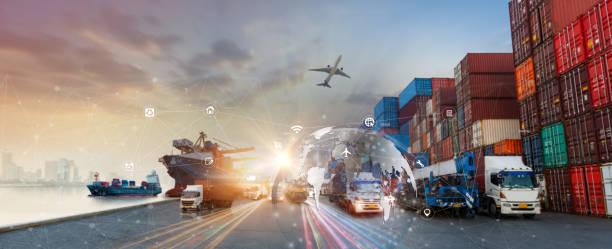
In today’s highly competitive and interconnected world, logistics companies face the challenge of ensuring visibility, efficiency, and customer satisfaction at every stage of the supply chain. The ability to track goods in real-time, manage disruptions, and optimize decision-making processes has become more than a competitive advantage — it is now a necessity. This is where the concept of the Command Center, often referred to as a logistics control tower, becomes a game-changer. By leveraging advanced technologies and integrating track-and-trace shipment solutions, businesses can gain end-to-end visibility, reduce risks, and improve delivery performance.
In this article, we will explore how logistics command centers operate, the importance of control towers, and the value of track-and-trace solutions in modern supply chains.
Logistics Control Tower: Enhancing Visibility and Coordination
A logistics control tower goes beyond basic monitoring by offering a holistic and proactive approach to supply chain management. It serves as a hub that integrates information from suppliers, carriers, and customers into one central platform. Unlike traditional tracking methods, control towers empower businesses to take preventive action rather than merely reacting to issues.
One of the primary benefits of a control tower is end-to-end visibility. From raw materials to final delivery, businesses can monitor the journey of goods seamlessly. This visibility reduces blind spots and helps managers identify inefficiencies in the supply chain. For example, if a shipment is stuck at customs, the control tower immediately flags the delay and provides recommendations to minimize impact.
Another key aspect is risk management. The logistics environment is full of uncertainties — ranging from geopolitical issues to natural disasters. A control tower analyzes external data such as weather forecasts, political developments, or traffic congestion, and alerts managers about potential risks. This predictive insight allows businesses to act before disruptions escalate.
The Role of a Command Center in Logistics
A logistics command center is essentially the brain of a supply chain network. It consolidates data from multiple systems, partners, and carriers to give companies a clear, real-time view of their operations. With a command center in place, businesses can make faster, data-driven decisions and respond effectively to unexpected disruptions.
Firstly, the command center provides a single source of truth by centralizing information across different regions, warehouses, and transportation networks. Instead of relying on fragmented data, managers gain access to unified dashboards that track shipments, inventory, and performance metrics. This leads to better coordination and higher efficiency across all touchpoints.
Secondly, command centers improve responsiveness. In logistics, delays can occur due to weather conditions, customs clearance, or vehicle breakdowns. A well-structured command center uses predictive analytics to anticipate these disruptions and recommends alternative routes or solutions. By doing so, companies reduce delivery delays and avoid dissatisfied customers.
Track-and-Trace Shipment: The Power of Real-Time Monitoring
Modern customers demand transparency, and track and trace shipment technology plays a critical role in meeting this expectation. It allows businesses and end consumers to monitor the location, condition, and estimated delivery time of goods in real-time. This not only builds trust but also enhances accountability across the supply chain.
Firstly, track-and-trace systems improve customer experience. When customers can access accurate delivery updates through digital portals or mobile apps, it creates confidence and reliability. Transparency in the shipping process strengthens brand reputation and increases customer loyalty.
Secondly, track-and-trace tools support compliance and safety. In industries such as pharmaceuticals, food, or high-value goods, it is crucial to ensure that shipments are transported under specific conditions. These systems monitor temperature, humidity, and security parameters, ensuring that products arrive safely and in compliance with regulations.
For Original Post View: https://vintfint.com/blogs/82022/How-Control-Towers-and-Track-and-Trace-Systems-Transform-Supply

 English
 Français
 Español
 Português
 Deutsch
 Türkçe
 Dutch
Dutch
 Italiano
 Russian
 Romaian