


Blocked Drains: Fix Fast, Prevent Next
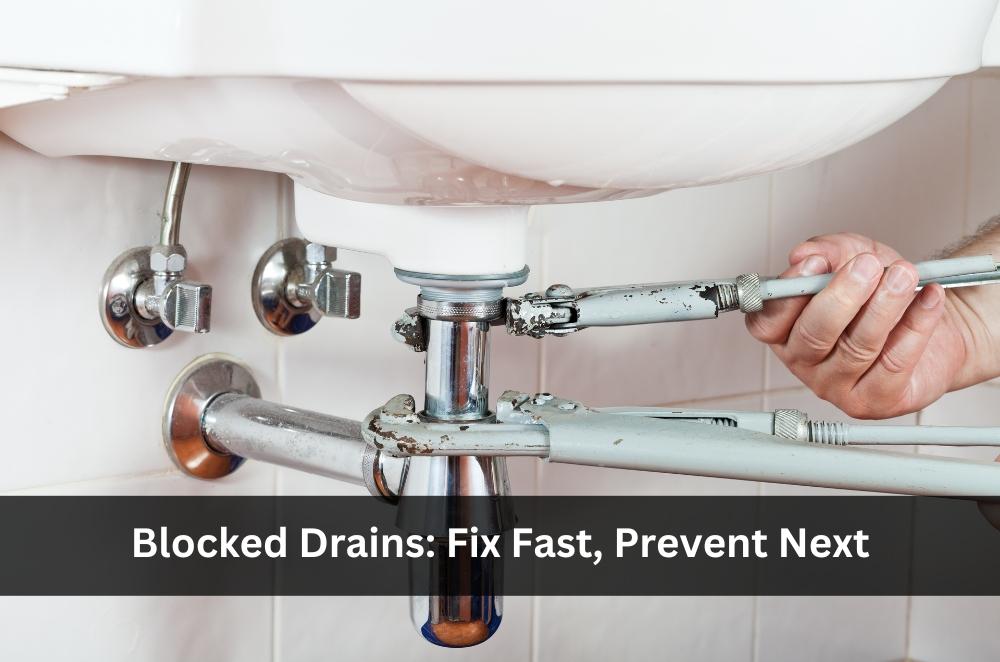
Blocked drains never arrive at a good time. They gurgle, stink, and steal a whole day if you let them. When water creeps back up a sink or shower, most of us reach for chemicals or a dodgy wire coat hanger. That’s risky. Pipes crack, seals fail, and the mess grows. The safer move is to book a local plumber in my area who can accurately diagnose the cause, rather than guessing. Tree roots, congealed grease, misaligned pipes — each needs a different fix. We prefer quick, tidy, and traceable work, with cameras, jetting, and proper clean-up. Your home stays calm; your drains actually behave—no drama, no flooding, and no nasty aftersmell tonight.
What causes most blocked drains?
Usually a mix of fats, wipes, hair, and tree roots. Ageing pipes and poor maintenance turn a minor clog into a recurring problem.
Build-up starts slowly. Hot oil cools and sets, soap binds hair, and wipes snags on tiny edges. In older suburbs, earthenware joints allow thirsty roots to reach in for water. Renovations sometimes leave bad gradients, so waste moves sluggishly and solids settle. Storm surges dump leaves into outdoor lines. Then there’s the “whoops” factor — toys, earbuds, cotton buds, even dental floss. Each of these on its own seems harmless; together they create a stubborn plug. Prevention matters, but so does response. Keep a plunger handy, avoid harsh acids, and call pros before damage spreads. When storms or late-night failures strike, it helps to prepare for plumbing emergencies with a simple action plan and shut-off know-how.
How do professionals clear blockages safely?
We start with diagnosis, then use the least invasive method that actually lasts. Cameras find the fault; tools match the cause.
A proper job begins with CCTV to map the line and confirm what’s stuck where. High-pressure water jetting scours grease and silt without chewing the pipe. Mechanical cutters trim roots flush, so flow returns. If the pipe is cracked, patching or relining keeps soil out and strength in.
• CCTV inspection confirms cause and location
• Water jetting removes grease and sludge
• Root cutting restores flow without excavation
• Relining seals cracks and weak joints
How can homeowners prevent repeat clogs?
Bin the problem makers, service the line, and fix poor falls. A few habits beat any magic chemical.
Keep fat out of sinks; wipe pans with a paper towel before washing. Fit strainers to showers and vanities to catch hair. Flush only the three P’s — paper, pee, poo — and skip wipes entirely, even the “flushable” ones. Schedule a camera check if you’ve had more than one blockage in a year; there’s likely a structural reason. Outdoors, keep leaf litter clear of gullies and ensure stormwater isn’t overloading sewer lines.
• Keep fats and coffee grounds out of sinks
• Use hair catchers in showers and basins
• Flush toilet paper only — never wipes
• Book periodic CCTV for older pipes
If gradients are incorrect or the line sags, water slows down, and solids settle. We’ll measure falls, recommend targeted excavation, or suggest relining to restore a smooth, watertight bore. It’s unglamorous work, but it keeps bathrooms fresh, laundry drains quickly, and weekend plans intact.
Conclusion: Blocked drains aren’t a life sentence. With sound diagnosis, gentle-but-powerful tools, and a few everyday habits, homes stay dry and odour-free. Keep a plunger handy, skip wipes, and arrange periodic CCTV if clogs repeat. For a simple, no-nonsense checklist on materials, maintenance intervals, and what never belongs in pipes, keep homeowners’ drain essentials on hand.

 English
 Arabic
 Français
 Español
 Português
 Deutsch
 Dutch
Dutch
 Italiano
 Russian
 Romaian