


Operating Room Management Systems Outlook 2025–2030: Technology, Workflow, and Integration Trends
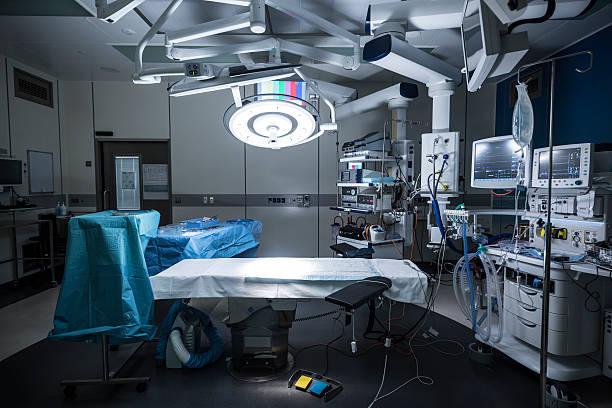
Operating rooms (ORs) represent the heart of modern healthcare systems, where critical surgical interventions take place. However, these environments are among the most resource-intensive, complex, and time-sensitive areas of a hospital. To address rising demands for efficiency, patient safety, and streamlined workflows, Operating Room Management (ORM) solutions are increasingly being adopted. Between 2025 and 2030, the operating room management market is expected to witness a transformation, fueled by digital technologies, AI-driven solutions, advanced analytics, automation, and real-time data integration.
This report explores the pathways shaping the Operating Room Management Market, including workflow optimization, integration with hospital IT ecosystems, technological advancements, and strategies for improving surgical efficiency and patient outcomes.
Click here to download the sample report
1. The Importance of Operating Room Management
Operating rooms are not just clinical spaces—they are highly coordinated ecosystems. The success of a surgery depends on a delicate balance of:
- Scheduling surgeons, anesthesiologists, and support staff
- Managing surgical instruments and inventory
- Ensuring patient safety and regulatory compliance
- Reducing surgical delays and cancellations
- Optimizing post-surgery recovery workflows
Operating Room Management Systems (ORMS) have become the backbone of this ecosystem, providing digital tools that improve scheduling, communication, analytics, and workflow automation.
2. Key Components of Operating Room Management
Operating room management systems combine several functional modules, including:
2.1 Scheduling and Resource Allocation
- AI-driven scheduling ensures that surgical teams, patients, and equipment are available at the right time.
- Dynamic adjustments reduce delays, last-minute cancellations, and overlapping cases.
2.2 Surgical Workflow Management
- Real-time dashboards track every stage of a surgical procedure.
- Predictive analytics alert staff about potential delays.
2.3 Supply Chain and Inventory Control
- RFID and IoT-based tracking systems ensure that surgical instruments are sterilized, stocked, and available.
- Waste reduction and optimized inventory usage minimize downtime.
2.4 Patient Flow Optimization
- Pre-op, intra-op, and post-op data integration enhances patient safety and experience.
- Automated alerts keep patients’ families updated on surgery progress.
2.5 Data Analytics and Performance Monitoring
- Dashboards track utilization rates, surgical efficiency, and surgeon productivity.
- AI helps administrators plan for peak hours and improve patient throughput.
2.6 Compliance and Documentation
- ORM systems maintain digital records for audits and regulatory compliance.
- Automated documentation reduces administrative burden on clinicians.
3. Technological Advancements Driving the Market
The next five years will see rapid digitalization of surgical environments. Some of the most impactful technologies include:
3.1 Artificial Intelligence (AI) and Machine Learning
- AI predicts surgery durations and optimizes OR utilization.
- Machine learning analyzes historical data to recommend efficient scheduling.
3.2 Internet of Things (IoT) in ORs
- IoT-enabled sensors track surgical instruments, anesthesia machines, and patient vitals in real time.
- Smart ORs allow seamless communication between devices and hospital IT systems.
3.3 Robotics and Automation
- Robotic-assisted surgery is integrated with OR management for precise scheduling.
- Automated sterilization and logistics minimize human error.
3.4 Cloud-Based OR Management Solutions
- Cloud platforms enable cross-departmental collaboration.
- Data security and remote monitoring allow administrators to oversee operations beyond hospital walls.
3.5 Data Interoperability and EHR Integration
- Seamless integration with Electronic Health Records (EHRs) ensures that all patient data is available before surgery.
- Reduced duplication of records and better-informed decision-making.
3.6 Virtual Reality (VR) and Augmented Reality (AR)
- AR enhances pre-surgical planning and intra-operative navigation.
- VR assists in OR staff training and workflow simulations.
4. Trends Shaping the Operating Room Management Market
4.1 Rise of Smart Hospitals
Hospitals are embracing smart ORs, equipped with AI-driven tools, IoT connectivity, and advanced visualization systems. This digital ecosystem reduces surgical delays, improves communication, and enhances patient safety.
4.2 Focus on Patient-Centered Care
ORM is evolving to improve the patient journey, ensuring reduced wait times, improved transparency, and better communication with families.
4.3 Predictive Analytics for Proactive Management
Instead of reacting to delays, hospitals are turning to predictive analytics to anticipate bottlenecks and proactively resolve them.
4.4 Cloud-First Deployment
Cloud adoption supports scalability and cross-location collaboration. Hospitals with multiple surgical centers can centralize scheduling and resource allocation.
4.5 Integration of Cybersecurity
As ORM systems rely heavily on digital infrastructure, cybersecurity has become a crucial aspect. Protecting patient data and ensuring HIPAA-compliance are top priorities.
4.6 Shift Toward Workflow Automation
Routine tasks such as supply tracking, OR cleaning schedules, and patient prep are being automated to free up staff for higher-value tasks.
5. Challenges in Operating Room Management
While the benefits are substantial, challenges remain:
- System Interoperability: Many hospitals still struggle to integrate ORM with legacy IT systems.
- Staff Training: Adoption of advanced ORM solutions requires comprehensive training for surgeons and nurses.
- Cybersecurity Threats: Increased digitization makes ORM systems potential targets for cyberattacks.
- Change Resistance: Staff accustomed to manual processes may resist digital transformation.
- Infrastructure Gaps: In regions with limited digital healthcare infrastructure, OR modernization progresses slowly.
6. Future Outlook: 2025–2030
The future of operating room management lies in creating hyper-connected, intelligent, and patient-focused surgical environments. Between 2025 and 2030, we expect:
- Expansion of Smart ORs – Fully integrated with IoT, AI, and AR technologies.
- Seamless EHR Interoperability – Ensuring surgeons have access to real-time, accurate patient data.
- AI-Powered Scheduling – Moving toward completely automated, self-adjusting OR schedules.
- Data-Driven Decision Making – Hospitals relying on analytics to maximize utilization and reduce costs.
- Patient Engagement Tools – OR management systems offering apps for real-time family updates.
- Sustainability in ORs – Implementation of eco-friendly supply chain practices and energy-efficient OR designs.
7. Case Studies: Successful ORM Implementations
Case Study 1: Smart Scheduling in a Multi-Hospital Network
A hospital group deployed AI-driven ORM software across 15 facilities. The system cut surgical delays by 30% and increased OR utilization by 25%.
Case Study 2: IoT-Enabled Surgical Instrument Tracking
An advanced ORM solution integrated RFID and IoT tags to track surgical kits. Result: 40% reduction in missing instruments and improved sterilization cycles.
Case Study 3: Patient-Centered OR Communication
A hospital deployed ORM software with patient-family engagement features. Families received real-time updates on patient progress, improving transparency and satisfaction.
8. Strategic Pathways for OR Management Providers
- Continuous Innovation: Develop AI and IoT-powered solutions for better predictive insights.
- Integration Capabilities: Ensure seamless interoperability with existing hospital IT infrastructure.
- Cybersecurity Focus: Strengthen compliance and secure sensitive patient data.
- User-Friendly Interfaces: Simplify system usability for surgeons, nurses, and administrators.
- Patient-Centric Solutions: Offer tools that enhance communication and overall patient experience.
Conclusion
Operating room management is no longer a back-office function—it is a strategic enabler for better healthcare delivery. From AI-driven scheduling to IoT-powered tracking, the future of ORM between 2025 and 2030 promises intelligent, connected, and patient-focused surgical environments. Hospitals adopting these advancements will not only improve operational efficiency but also elevate patient safety, satisfaction, and outcomes.
As the industry transitions into the next era of healthcare, operating room management stands as a cornerstone of smart hospitals, driving the transformation of surgical workflows worldwide.

 English
 Arabic
 Español
 Português
 Deutsch
 Türkçe
 Dutch
Dutch
 Italiano
 Russian
 Romaian