


the shift modern warfare
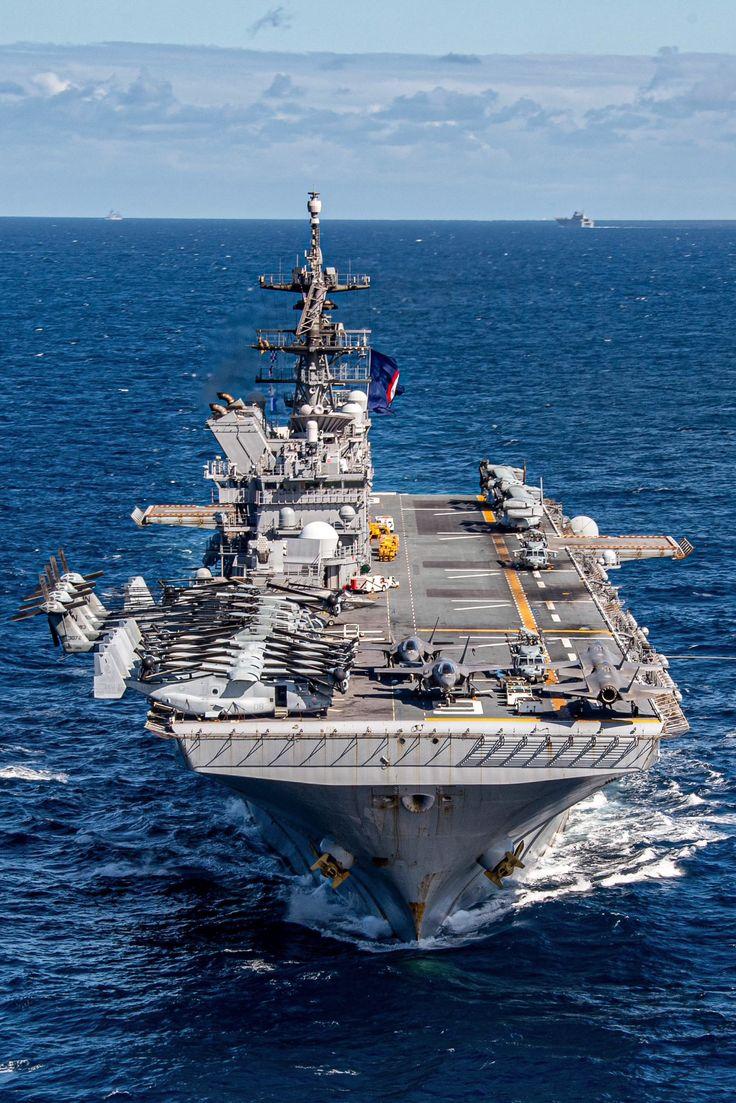
For centuries, wars were fought with steel and gunpowder, with soldiers standing face-to-face on the battlefield. But today, the definition of warfare has dramatically transformed. The shift in modern warfare reflects a fusion of advanced technology, artificial intelligence, space dominance, and cyber operations that can destabilize nations without firing a single shot.
This transformation isn’t just about new weapons—it’s about new domains, new strategies, and a reimagined future where control is often won in digital spaces rather than physical ones.
From Battlefield to Cyberspace
The digital age has made cyberspace a primary battleground. Cyberattacks can cripple financial systems, disable infrastructure, and manipulate public opinion within hours. For instance, state-backed hackers have targeted government institutions and private corporations, demonstrating that wars can be fought from behind computer screens.
Unlike traditional conflicts, cyber warfare is silent, stealthy, and often invisible to the public until damage is already done. This marks a key shift in modern warfare—victory may depend more on firewalls and algorithms than tanks and missiles.
The Rise of Drones and Autonomous Systems
Drones and unmanned systems have redefined combat operations. From precision airstrikes to reconnaissance missions, unmanned aerial vehicles (UAVs) are replacing the need for human pilots in dangerous environments. Armed drones are now staples of military arsenals, capable of executing missions with precision and minimal risk to personnel.
Moreover, the integration of artificial intelligence (AI) into these systems introduces another level of sophistication. AI-powered drones can analyze battlefield data, detect threats, and even operate autonomously—creating a future where machines may act faster than human decision-makers.
Artificial Intelligence and Predictive Warfare
AI is not only powering drones but also transforming military intelligence. Predictive algorithms analyze vast amounts of data to forecast enemy movements, supply chain vulnerabilities, and potential conflicts. Militaries are increasingly investing in machine learning to gain a competitive edge, knowing that the first to act often wins.
This evolution underscores the shift in modern warfare from brute force to smart power—where decisions are data-driven and operations rely on technological foresight.
Space: The New Military Frontier
Once considered the domain of science fiction, space is now a contested military arena. Satellites play a critical role in communications, navigation, surveillance, and targeting. Disrupting or destroying an opponent’s satellites can cripple entire defense systems.
Nations are racing to establish dominance in space, developing anti-satellite weapons and creating specialized space forces. The militarization of space reflects the expanding scope of the modern battlefield.
Psychological and Information Warfare
Perhaps one of the most overlooked aspects of the shift in modern warfare is the power of psychological and information operations. Misinformation campaigns, propaganda, and social media manipulation can influence elections, destabilize societies, and weaken national unity without firing a single bullet.
This "war of perception" is as critical as physical battles, as public trust and morale are essential to national strength.
Ethical and Humanitarian Concerns
As modern warfare evolves, so too do ethical dilemmas. Should autonomous machines have the authority to decide matters of life and death? How do we hold nations accountable for cyberattacks launched through anonymous channels?
The shift toward high-tech warfare also risks widening the gap between technologically advanced nations and those still reliant on traditional means of defense. This imbalance could spark instability and power struggles across the globe.
The Road Ahead
The shift in modern warfare is not slowing down—it’s accelerating. Future conflicts will likely be hybrid, blending physical combat with cyber offensives, AI-driven strategies, and space-based operations. Nations that fail to adapt risk falling behind, not just militarily, but economically and politically as well.
Yet, amid these advancements, one thing remains constant: the human element. Despite technology’s dominance, leadership, strategy, and the human will to fight will always play a defining role in how wars are fought and won.
Conclusion
The shift in modern warfare highlights an undeniable truth—the battlefield is no longer confined to geography. It extends into cyberspace, outer space, and even the human mind. This transformation demands global cooperation, responsible use of technology, and constant adaptation to protect peace and stability in an unpredictable world.
As we stand on the threshold of this new era, the question isn’t just how wars will be fought, but how humanity will balance technological innovation with ethical responsibility.

 English
 Arabic
 Français
 Español
 Português
 Deutsch
 Dutch
Dutch
 Italiano
 Russian
 Romaian