


Naval Warfare Strategy
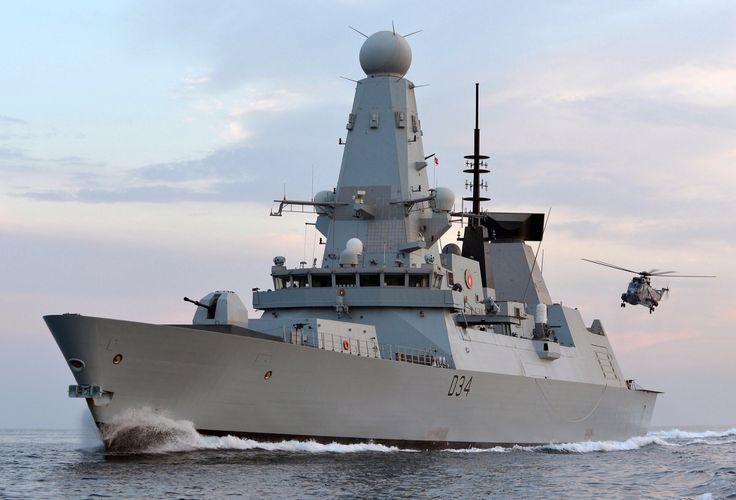
For centuries, control of the seas has symbolized global power. From the mighty fleets of ancient empires to the colossal aircraft carriers patrolling modern oceans, naval forces have defined military supremacy. In today’s rapidly evolving geopolitical climate, Naval Warfare Strategy is undergoing a renaissance, blending tradition with cutting-edge innovation. Nations recognize that the sea is not just a battleground—it is a gateway to trade, resources, and influence.
The Evolution of Naval Warfare Strategy
Historically, naval strategy was simple: command the seas and you command the world. Alfred Thayer Mahan, the father of modern naval theory, argued that maritime dominance was essential to global leadership. While his ideas still resonate, today’s strategies have expanded far beyond fleet engagements.
Modern naval warfare now integrates cyber capabilities, satellite surveillance, autonomous drones, and precision-guided weaponry. The battlefield is no longer limited to the surface—it extends underwater with stealth submarines and into the skies with carrier-based aircraft. This evolution highlights the multidimensional nature of naval power in the 21st century.
Technology as the Game-Changer
One of the most striking transformations in naval warfare strategy lies in technology. Nations are investing heavily in artificial intelligence, hypersonic missiles, and unmanned naval vehicles. These innovations are reshaping tactics in unprecedented ways:
-
Unmanned Surface and Underwater Vessels (USVs & UUVs): Offering stealth, reconnaissance, and strike capabilities without risking human lives.
-
Cyber Warfare at Sea: Modern ships are floating data centers, making them vulnerable to digital attacks. Cyber resilience is now a core element of naval strategy.
-
Hypersonic and Precision Weapons: These redefine strike power, enabling navies to hit targets with speed and accuracy once thought impossible.
-
Space Integration: Satellites enhance navigation, communication, and targeting, making naval operations more connected than ever before.
Geopolitics and Naval Power
The oceans are more contested today than at any point since the Cold War. Strategic chokepoints like the South China Sea, Strait of Hormuz, and Arctic routes are flashpoints of global rivalry. Control over these waters often equates to control over international trade and energy supplies.
For example:
-
The Indo-Pacific: A focal point of U.S.–China competition, where both nations expand fleets and alliances.
-
The Arctic: Melting ice opens new shipping routes and resource opportunities, sparking renewed interest in polar naval strategy.
-
Middle East Waters: Vital for global oil shipments, these lanes demand constant protection and surveillance.
Naval warfare strategy is not just about preparing for battle—it is also about deterrence, ensuring access, and projecting national influence across the seas.
The Human Factor: Training and Doctrine
Despite technological advancements, the human element remains irreplaceable. Naval officers and sailors must adapt to increasingly complex systems while retaining traditional seamanship. Training in hybrid warfare—combining conventional tactics with cyber, psychological, and information warfare—has become a priority.
Doctrine development ensures cohesion between allies and interoperability among diverse fleets. Joint exercises, such as multinational naval drills, strengthen collective readiness and strategic alignment.
Challenges Ahead in Naval Strategy
As powerful as modern navies are, they face unprecedented challenges:
-
Cost and Sustainability: Maintaining advanced fleets is expensive, pushing nations to balance ambition with affordability.
-
Hybrid Threats: Pirates, terrorists, and rogue actors use unconventional tactics that challenge traditional strategies.
-
Environmental Pressures: Rising sea levels and climate change disrupt naval bases, while sustainability concerns influence future ship design.
Addressing these challenges requires agility, cooperation, and innovation.
The Future of Naval Warfare Strategy
Looking ahead, Naval Warfare Strategy will likely emphasize:
-
AI-driven decision-making for faster tactical responses.
-
Green fleets using alternative fuels to reduce environmental impact.
-
Stronger alliances to counterbalance regional power struggles.
-
Multi-domain operations, integrating land, sea, air, cyber, and space seamlessly.
The future navy will not just fight wars—it will prevent them, secure global trade, and shape the balance of power for generations.
Conclusion: Seas as the Final Arbiter of Power
The oceans remain the stage upon which global power is projected. Naval Warfare Strategy is not merely about battleships or submarines—it is about vision, innovation, and adaptability. As technology accelerates and geopolitics intensify, the nations that master naval strategy will secure not only their security but also their influence in shaping tomorrow’s world.

 Arabic
 Français
 Español
 Português
 Deutsch
 Türkçe
 Dutch
Dutch
 Italiano
 Russian
 Romaian