


Behind the Label: Understanding Product Certifications
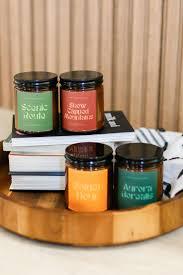
When you walk through the aisles of a store or scroll through online beauty shops, you’ll notice all sorts of logos and stamps on packaging. Organic, cruelty-free, vegan, fair trade—the list goes on. These certifications are supposed to help consumers make smarter and safer choices. But the truth is, most people don’t really know what those labels actually mean. That’s why platforms like Pretty Honest Shop try to simplify the process, helping shoppers figure out which certifications matter and which ones are just there to make a product look more appealing.
Why Certifications Matter in Today’s Market
The beauty and personal care industry has grown into a massive marketplace filled with thousands of options. Consumers want to know that what they are putting on their skin, hair, or body is safe, ethical, and good for the environment. Certifications were created to help build trust. A stamp on the label is supposed to signal that the product meets certain standards.
But here’s the catch: not all certifications are created equal. Some are backed by strict testing and clear rules, while others are vague or even made up by the brand itself. This mix of real and questionable certifications can leave buyers confused. Understanding how to read these labels and knowing what they actually guarantee is the first step toward making informed choices.
The Difference Between Regulated and Self-Created Labels
Not every certification on a beauty product comes from an independent, recognized organization. Some are government-regulated, like organic certifications in food and cosmetics, which follow strict legal guidelines. Others are run by nonprofit groups with specific standards, such as cruelty-free certifications.
Then there are labels created by brands themselves. These may sound convincing but don’t always mean much. For example, a company could create its own “green” logo without any third-party verification. To a shopper, it looks like proof, but in reality, it’s just clever marketing.
Organic Certifications: More Than Just a Buzzword
The term “organic” gets used a lot in beauty. When you see a certified organic label, it usually means the product was made with ingredients grown without synthetic pesticides, fertilizers, or genetically modified organisms. Organizations like USDA Organic in the United States or Soil Association in the UK oversee these certifications.
However, not all “organic” claims are the same. Some products say “made with organic ingredients,” which can mean only a portion of the formula is organic. Without checking the details, consumers might believe they’re buying a fully organic product when they’re not. Transparency here is key, and certifications help cut through the confusion.
How to Spot Authentic Organic Labels
Authentic organic labels are usually issued by recognized organizations. They have strict rules about farming, processing, and packaging. When you see an organic stamp, it should include the name of the certifying body. If the product just says “organic” without any proof, it’s worth questioning.
Cruelty-Free Certifications: What Do They Guarantee?
“Cruelty-free” is another term you’ll see everywhere in beauty. It generally means the product was not tested on animals. Well-known certifications like Leaping Bunny or PETA’s cruelty-free logo provide consumers with assurance that no animal testing was involved.
But here’s where it gets tricky. Some brands say they’re cruelty-free but still sell in countries where animal testing is required by law. This creates a gray area. Unless a company is fully committed and avoids those markets, the label might not be as honest as it seems.
Vegan vs. Cruelty-Free: Not the Same Thing
A common mistake is thinking vegan and cruelty-free mean the same. Vegan products contain no animal-derived ingredients, while cruelty-free products are not tested on animals. A product can be vegan but not cruelty-free, and vice versa. Understanding this difference helps avoid being misled by labels that sound similar but mean different things.
Fair Trade and Ethical Sourcing Certifications
Beyond personal health, many shoppers care about the social impact of what they buy. Fair trade certifications focus on ethical sourcing, ensuring farmers and workers are treated fairly and paid properly. In beauty, this often applies to ingredients like shea butter, cocoa, or essential oils.
However, not every brand using these ingredients is certified. Some may claim “ethically sourced” without proof. Genuine fair trade certifications, such as Fairtrade International, provide documentation and standards that back up the claim.
Why Ethical Sourcing Matters
Ethical sourcing isn’t just about fairness—it also affects quality and sustainability. When workers are treated well and paid fairly, the production process is often more consistent and sustainable. Consumers benefit too, since the ingredients are typically handled with greater care.
The Rise of Green Certifications
As sustainability becomes a bigger concern, green certifications have grown in popularity. These labels focus on packaging, carbon footprint, and environmentally friendly production practices.
But again, the challenge is separating real standards from greenwashing. Some certifications are rigorous, requiring proof of reduced emissions or sustainable packaging. Others are little more than marketing buzzwords with no accountability.
Greenwashing in the Beauty Industry
Greenwashing happens when companies exaggerate their eco-friendly efforts. For example, a brand might highlight recyclable packaging but ignore the fact that their overall production creates large amounts of waste. Without credible certification, it’s hard for consumers to know what’s truly sustainable and what’s just clever branding.
Why Reading Labels Still Isn’t Easy
Even with certifications, reading a beauty product label can be overwhelming. The long ingredient lists, scientific terms, and multiple stamps can confuse even the most careful shopper. Some certifications overlap, while others use different language to describe the same standards.
This confusion often works in favor of brands. A product filled with certifications looks impressive, but if the consumer doesn’t know what each one means, the effect is lost. Education plays a huge role here—consumers need to learn how to decode these labels rather than just trust them blindly.
The Problem With Too Many Certifications
Ironically, having too many certifications can also create doubt. When a label is filled with five or six different logos, shoppers may question whether they’re all necessary or if some are just for show. Too many labels can make a product look busy without actually adding value.
The Cost Behind Certifications
Certifications don’t come free. Brands often have to pay fees to be evaluated, tested, and approved by certification bodies. This cost can then be passed down to consumers, making certified products more expensive.
Some smaller brands skip certification because they can’t afford the process, even if their products meet the same standards. This means lack of certification doesn’t always equal lack of quality. It’s another layer of complexity in understanding what’s behind the label.
Balancing Trust and Affordability
Consumers often face a choice: do they pay extra for certified products, or trust smaller brands that claim similar standards without official approval? Both paths have pros and cons. Certification provides reassurance, but affordability matters too.
How Shoppers Can Make Smarter Choices
While the world of certifications can be confusing, consumers have more resources today than ever before. Research, online reviews, and platforms dedicated to transparency make it easier to separate genuine certifications from marketing tricks.
Supporting Transparent Retailers
One way to make better choices is by shopping with trusted retailers like Pretty Honest Shop, which focus on providing clarity about certifications and product standards. These retailers often do the research for you, making it easier to shop without second-guessing every logo.
Learning the Basics of Common Labels
Another simple step is learning the meaning of the most common certifications. Once you know the difference between organic, cruelty-free, vegan, fair trade, and green certifications, shopping becomes less stressful.
The Future of Product Certifications
Certifications are likely to grow more important as consumers demand more transparency. Governments may introduce stricter rules, and organizations may push for clearer definitions. At the same time, technology may help verify claims more effectively, such as using digital tracking for ingredient sourcing.
Consumer Power in Driving Change
At the end of the day, consumers hold the real power. The more people demand clear certifications and avoid misleading products, the more pressure brands will feel to be transparent. Certifications are tools, but consumer awareness is what gives them value.
FAQs
Why do beauty brands use certifications?
They use certifications to build trust and appeal to conscious consumers. Certifications show that products meet certain standards, whether it’s organic farming, cruelty-free testing, or fair trade practices.
Are all certifications reliable?
No, not all certifications carry the same weight. Some are highly regulated and backed by strong standards, while others are vague or even created by the brand itself.
Is a product without certification bad?
Not necessarily. Some smaller brands follow ethical and safe practices but can’t afford the costs of certification. It’s always best to research the brand and check for transparency.
How can I know if a certification is real?
Look for the name of the certifying body and check their website. Genuine certifications are usually traceable to recognized organizations.
Do certifications make products more expensive?
Often, yes. Certification costs can raise the price of a product, but they also provide reassurance about quality, safety, and ethics.
Conclusion
Certifications in beauty and personal care products were designed to make shopping easier, but they can also create confusion. From organic and cruelty-free to fair trade and green standards, labels tell part of the story—but not always the whole truth. Some are reliable and backed by strict rules, while others are nothing more than marketing strategies.
For consumers, the key is learning to read labels with a critical eye and supporting companies that are honest about their standards. Retailers like Pretty Honest Shop play a valuable role in bridging the gap between shoppers and reliable certifications, making it easier to buy products you can trust.
In the end, certifications are just tools. What matters most is consumer awareness. When buyers know what they’re looking for and demand honesty, brands are forced to follow through. That’s how real transparency in the beauty industry begins—by understanding what’s behind the label.

 English
 Arabic
 Español
 Português
 Deutsch
 Türkçe
 Dutch
Dutch
 Italiano
 Russian
 Romaian