


Commercial Battery Storage: Powering Business Efficiency
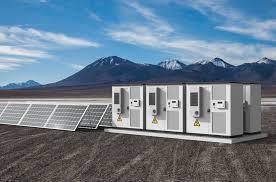
Commercial Battery Storage: Powering Business Efficiency
Energy use is a major concern for businesses today. With rising electricity costs and growing power demands, companies need reliable energy solutions. One powerful option is battery storage.
Commercial battery storage allows businesses to store energy for later use. This can reduce peak demand charges, provide backup during outages, and improve overall energy efficiency. Whether connected to solar panels or the grid, battery systems give commercial buildings more control over their power.
What Is Commercial Battery Storage?
Commercial battery storage systems are large-scale batteries that store electricity. They can be charged during off-peak hours when energy is cheaper and discharged during peak hours when costs are higher.
These systems are used in office buildings, factories, warehouses, data centers, and other facilities. Businesses can reduce their reliance on the grid and manage energy usage more effectively. They also help avoid downtime during blackouts or unstable grid conditions.
Key Benefits
Here are the main advantages of using commercial battery systems:
-
Lower energy bills by reducing peak demand charges
-
Increased energy independence
-
Backup power during outages
-
Optimized use of solar power
-
Improved power quality and grid stability
-
Reduced carbon footprint when paired with renewables
Battery systems are smart, scalable, and can be tailored to fit specific energy needs.
Applications of Commercial Battery Storage
These systems are used in a variety of industries:
-
Manufacturing: Ensures continuous operations and reduces downtime
-
Retail: Powers lights, HVAC, and point-of-sale systems during outages
-
Data centers: Keeps servers online without interruption
-
Schools and campuses: Lowers utility costs and ensures reliable power
-
Office buildings: Manages loads and supports clean energy goals
With proper integration, battery storage can become a key part of a company’s energy strategy.
Technologies Used
Most commercial systems use lithium-ion or LiFePO4 (Lithium Iron Phosphate) batteries. These are known for:
-
Long lifespan
-
High energy density
-
Low maintenance
-
Fast charging capabilities
Some larger or older systems may use lead-acid batteries, but these are becoming less common due to shorter life and higher maintenance needs.
FAQs
How much energy can commercial battery systems store?
They can range from 50 kWh to several megawatt-hours, depending on the system and site requirements.
Can I pair commercial battery storage with solar panels?
Yes. Battery storage is often used with commercial solar to store excess energy for use at night or during cloudy periods.
Are commercial battery systems scalable?
Absolutely. Systems can be expanded as your energy needs grow.
Is it worth the investment?
For many businesses, battery storage leads to long-term savings and increased energy reliability.
Conclusion
Commercial battery storage is a smart solution for modern businesses. It helps reduce costs, improve energy reliability, and support renewable energy goals. As energy demands rise, having control over how and when you use electricity gives you a major advantage.
Whether you're looking to cut bills, increase uptime, or prepare for the future, commercial battery storage is a powerful tool for your energy strategy.

 English
 Arabic
 Français
 Español
 Português
 Deutsch
 Türkçe
 Italiano
 Russian
 Romaian