


Key Tips for Efficiently Maintaining Turbine Oil Filtration
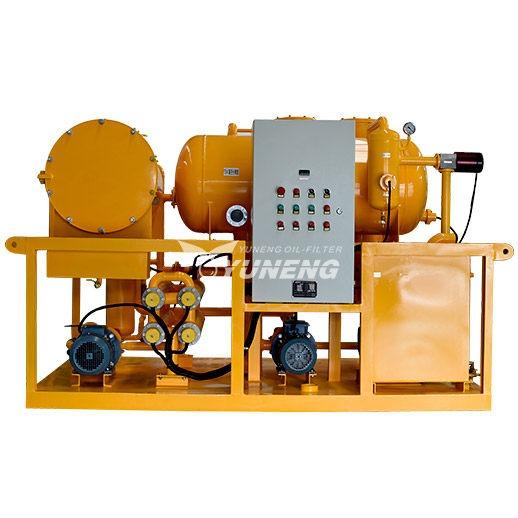
In power generation and heavy industry, turbine reliability directly depends on the quality of its lubrication oil. Over time, turbine oil is exposed to contaminants such as moisture, gases, and solid particles. These contaminants compromise lubrication efficiency and accelerate wear. Turbine oil filtration is a critical maintenance practice. It is not just a routine task. Filtration extends equipment lifespan. It also ensures uninterrupted operations.

Understand the Contaminants First
Turbine oil gradually accumulates three main forms of contamination:
- Moisture – causes rust, corrosion, and sludge formation.
- Particles – wear down bearings and internal components.
- Dissolved gases – reduce dielectric strength and lead to insulation failure.
A well-designed turbine oil filter should be capable of removing all three, restoring the oil’s dielectric and lubrication properties.
Match Filtration Technology to Operational Needs
Not all turbine oil filters are built alike. Efficient maintenance requires matching the filtration technology to specific operational conditions.
- Vacuum dehydration removes water to below 5 ppm.
- High-precision filters capture particles down to 1 micron.
- Degassing systems eliminate dissolved air and gases.
Selecting a machine with the right balance of flow rate and capacity ensures that oil treatment can be performed without disrupting turbine operations.
Automation Enhances Efficiency
Modern filtration units equipped with PLC control, online moisture sensors, and vacuum monitoring provide greater consistency and reduce operator error. Automation allows for round-the-clock monitoring, delivering stable results while simplifying maintenance schedules.
Mobility and Flexibility
For power plants with multiple turbines or off-site service requirements, mobile filtration systems are particularly advantageous. Trailer-mounted or skid-mounted designs provide flexibility for on-site operations, making them an efficient choice for maintenance teams that need versatility.
Choosing a Reliable Manufacturer
The long-term efficiency of turbine oil maintenance depends on the reliability of the filtration system itself. Manufacturers that combine advanced technology with after-sales service ensure stable operation and reduced lifecycle costs. For example, solutions like the Yuneng Turbine Oil Purifier are specifically designed for high-performance turbine applications. They offer a balance of efficiency, durability, and automation.
Final Thoughts
Effective turbine oil filtration is essential to extending service life, avoiding costly breakdowns, and optimizing operational efficiency. Industries can secure stable turbine performance for years to come. This is achieved by choosing the right filtration technology, ensuring automation, and working with a trusted manufacturer.

 Arabic
 Français
 Español
 Português
 Deutsch
 Türkçe
 Dutch
Dutch
 Italiano
 Russian
 Romaian