About Motor Insurance
Motor insurance, often referred to as vehicle or car insurance, is one of the most essential financial safety nets for anyone who owns and operates a vehicle. Whether you drive a car, motorcycle, truck, or commercial vehicle, having the right insurance protects you against unexpected financial burdens caused by accidents, theft, natural disasters, or third-party liabilities. More than just a legal requirement in many countries, motor insurance offers peace of mind, ensuring that you and your vehicle are protected on the road.
What Is Motor Insurance?
Motor insurance is a contract between you (the policyholder) and an insurance company. By paying a premium, you transfer certain risks associated with owning and operating a vehicle to the insurer. If an accident or mishap occurs, the insurance company provides financial compensation based on the type of coverage you’ve chosen.
The main purpose of motor insurance is not only to protect your vehicle but also to safeguard you from financial losses due to damages, injuries, or liabilities arising from road incidents.
Types of Motor Insurance Coverage
Motor insurance policies vary widely, but most fall under three main categories:
-
Third-Party Liability Insurance
-
This is the most basic and mandatory type of motor insurance in many regions.
-
It covers damages or injuries caused to another person, their vehicle, or property.
-
It does not cover damages to your own vehicle.
-
Comprehensive Insurance
-
Provides extensive protection, covering both third-party liabilities and damages to your own vehicle.
-
Includes coverage against theft, fire, natural disasters, accidents, and sometimes personal accident coverage for the driver.
-
Although slightly more expensive, it is the most recommended option for complete protection.
-
Own Damage Insurance (Standalone)
-
Covers damage to your own vehicle due to accidents, fire, theft, or natural calamities.
-
Typically purchased in addition to third-party coverage for better protection.
Many insurers also offer add-on covers such as zero depreciation, roadside assistance, no-claim bonus protection, and engine protection, which further enhance the value of your policy.
Why Is Motor Insurance Important?
Owning a vehicle comes with risks, and motor insurance acts as a shield against them. Here are some reasons why motor insurance is crucial:
-
Legal Requirement: In most countries, driving without at least third-party motor insurance is illegal and punishable by fines or penalties.
-
Financial Protection: Accidents can lead to hefty repair costs, medical bills, or legal liabilities. Insurance ensures these expenses don’t drain your savings.
-
Peace of Mind: Knowing that you’re covered against unexpected risks allows you to drive with confidence.
-
Coverage Against Theft and Natural Disasters: Vehicles are valuable assets, and insurance protects them against unforeseen events such as theft, floods, or fire.
-
Liability Protection: If you cause damage or injury to someone else, motor insurance ensures that you are not personally burdened with compensation costs.
Key Features of Motor Insurance
-
Premiums: The cost you pay regularly to keep your insurance active. Premiums depend on factors such as vehicle type, age, location, usage, and chosen coverage.
-
Policy Tenure: Most policies are valid for one year, though long-term options are available. Renewal is necessary to continue protection.
-
No-Claim Bonus (NCB): A discount on premiums given to policyholders who do not make claims during the policy year.
-
Deductibles: The amount you agree to pay out-of-pocket before the insurer covers the rest. Higher deductibles often lower the premium.
-
Add-Ons: Customizable features that extend your policy, such as zero depreciation cover or roadside assistance.
How to Choose the Right Motor Insurance
Selecting the right motor insurance policy can feel overwhelming, but keeping a few points in mind can simplify the process:
-
Assess Your Needs: If you own a new or expensive vehicle, comprehensive coverage with add-ons is highly advisable. For older vehicles, third-party insurance may suffice.
-
Compare Policies: Use online tools to compare coverage, benefits, and premium rates from multiple insurers.
-
Check Claim Settlement Ratio: A company’s efficiency in settling claims is crucial in ensuring you’ll get timely support during emergencies.
-
Read Terms Carefully: Always go through inclusions, exclusions, and conditions before purchasing a policy.
-
Look for Add-Ons: Choose add-ons relevant to your driving habits and the environment. For example, if you travel frequently, roadside assistance may be invaluable.
The Motor Insurance Claim Process
Understanding how claims work makes it easier to deal with stressful situations:
-
Notify the Insurer: Contact your insurance provider immediately after an accident, theft, or damage.
-
File an FIR (if necessary): For theft or major accidents, filing a police report is mandatory.
-
Inspection: The insurance company will inspect the vehicle or request documents.
-
Submit Documents: Provide necessary paperwork such as the policy document, driving license, registration certificate, and FIR (if applicable).
-
Settlement: Depending on your policy type, the insurer will either pay the repair costs directly to the garage (cashless claim) or reimburse you.
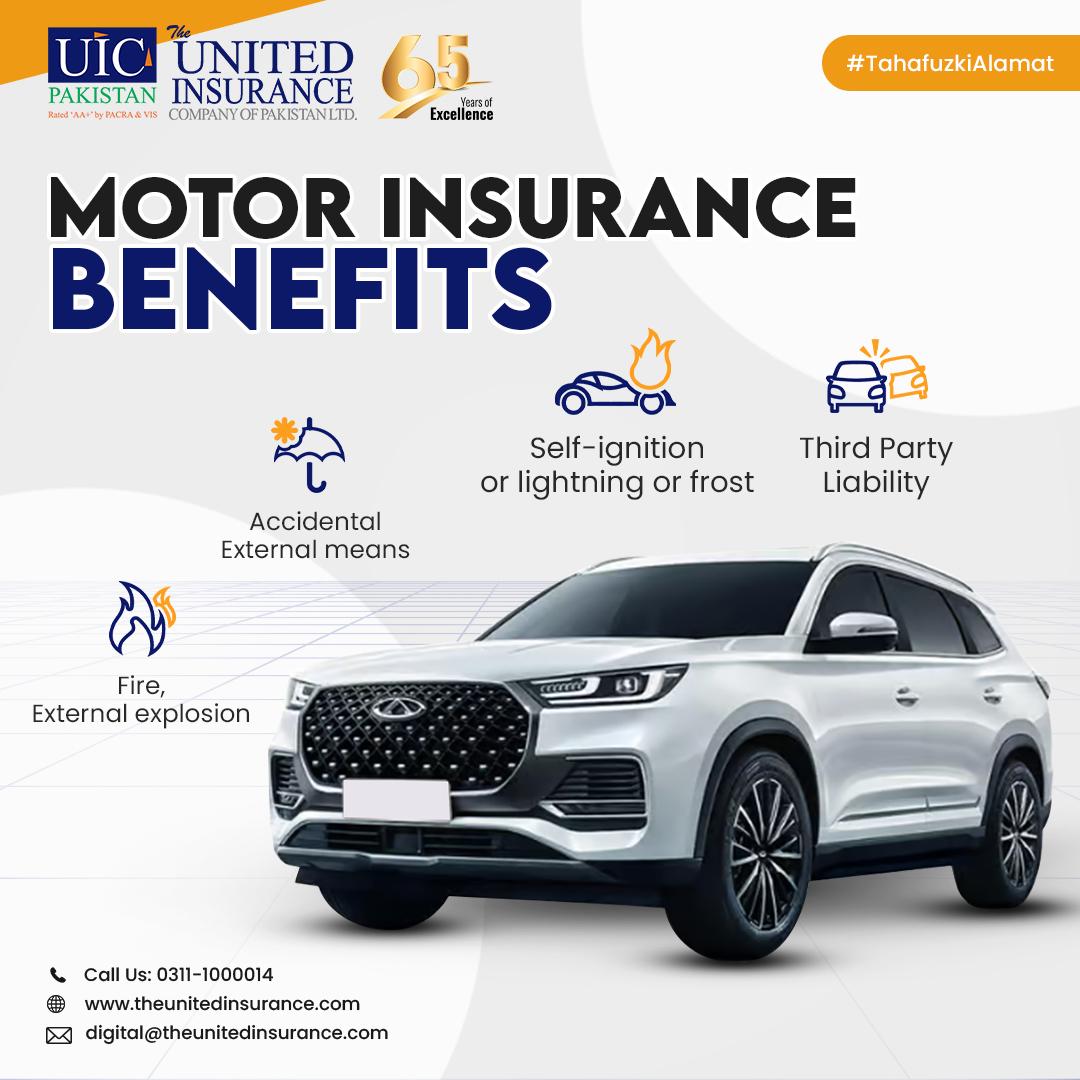
Benefits of Motor Insurance
-
Financial Security: Avoid unexpected expenses for repairs or damages.
-
Cashless Repairs: Many insurers partner with authorized garages to offer hassle-free cashless repairs.
-
Personal Accident Cover: Protection for the driver against injury or death in case of an accident.
-
Third-Party Protection: Legal and financial coverage if you damage someone else’s vehicle or property.
-
Added Peace of Mind: Knowing you’re covered makes road journeys safer and stress-free.
Motor Insurance and Road Safety
Insurance is not just about financial protection—it also encourages responsible driving. With coverage in place, drivers are more conscious of adhering to road safety laws, as claims may be impacted by reckless behavior. Furthermore, governments make insurance mandatory to ensure that accident victims receive fair compensation without prolonged legal battles.
The Future of Motor Insurance
With technological advancements, motor insurance is evolving rapidly:
-
Telematics: Usage-based insurance (UBI) calculates premiums based on your driving habits, rewarding safe drivers.
-
Digital Claims: Insurers are offering faster claim processes through mobile apps and AI-based damage assessments.
-
Eco-Friendly Policies: As electric vehicles rise, insurers are developing specialized coverage plans for them.
-
Blockchain & AI: Innovations are making motor insurance more transparent and efficient.
Conclusion
Motor insurance in pakistan is more than a mandatory document—it’s a financial safety net, a legal requirement, and a responsible choice for every vehicle owner. From protecting you against third-party liabilities to covering damages to your own vehicle, motor insurance ensures that you’re never left unprotected on the road.
Choosing the right policy requires careful consideration of your needs, driving habits, and budget. With numerous options and add-ons available, it’s possible to customize a plan that suits you best. Ultimately, motor insurance offers more than financial protection—it offers peace of mind, ensuring that every journey you



 Deutsch
 English
 Arabic
 Français
 Español
 Português
 Türkçe
 Dutch
Dutch
 Italiano
 Russian
 Romaian