


Embroidery Digitizing: Bringing Designs to Life
In today’s fast-moving world of branding, personalization, and fashion, embroidery remains one of the most timeless methods for decorating apparel and accessories. From company uniforms to sports jerseys and from fashion items to promotional giveaways, embroidery adds value and professionalism. But behind every high-quality embroidered product lies a carefully managed process. This journey starts with Embroidery Digitizing, moves through the creation of Vector Art, and often results in detailed Custom Patches that deliver versatility and impact.
This blog explores how these three steps work together to transform a digital design into a durable embroidered product, ensuring that businesses and individuals alike can achieve impressive results.
The Foundation: Vector Art
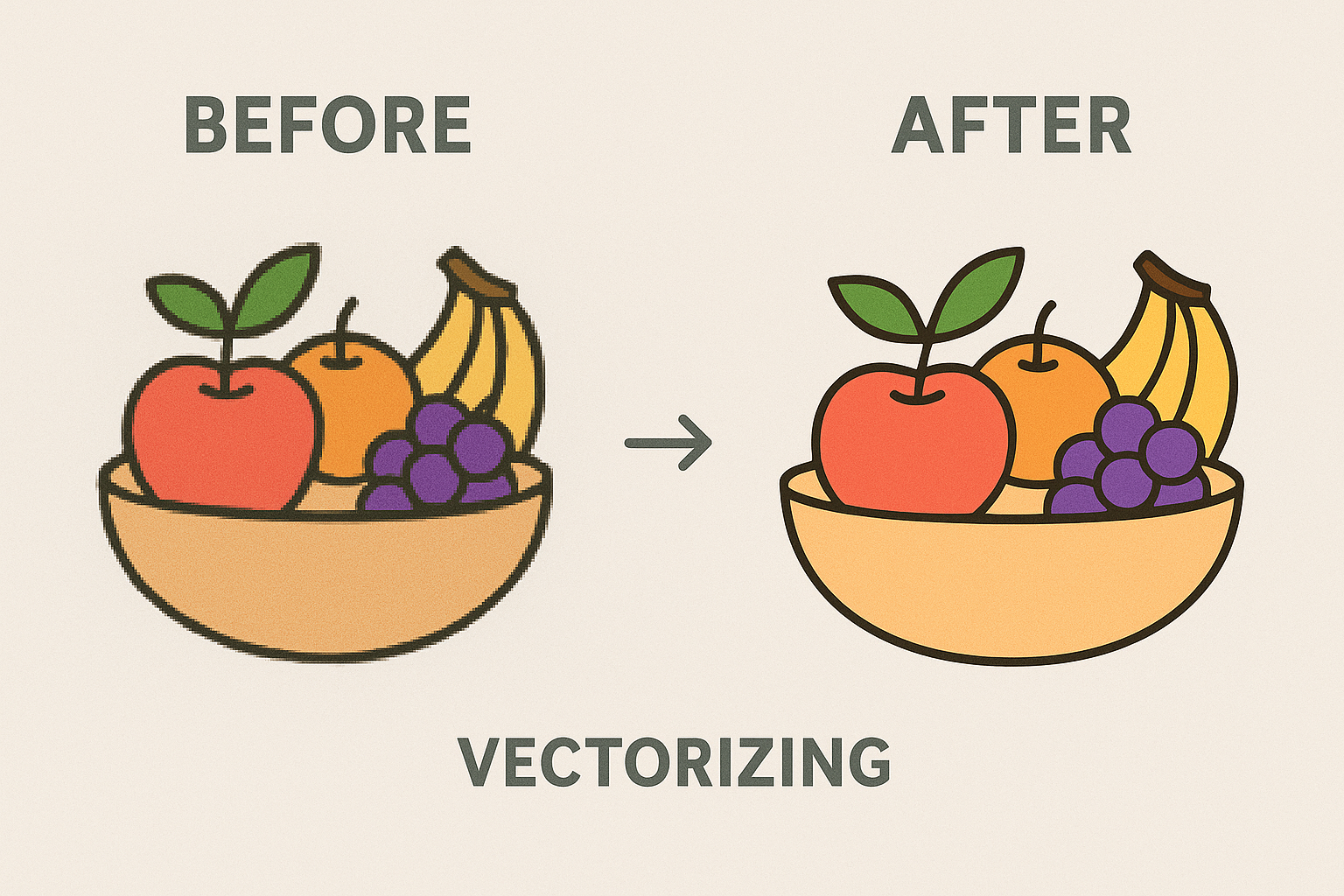
Every great embroidered design starts with a strong blueprint, and that blueprint is Vector Art. Unlike raster images such as JPEGs or PNGs that rely on pixels, vector graphics are built on mathematical paths. This means they can be scaled infinitely without losing clarity.
For embroidery, this scalability is critical. A design that looks sharp on a business card must also maintain its crispness when enlarged for the back of a jacket. Vector files also make it easier to separate colors, simplify complex gradients, and ensure smooth outlines.
When preparing artwork for embroidery digitizing, a clean vector file is the digitizer’s best friend. It eliminates confusion, reduces editing time, and guarantees that the final product accurately reflects the original design.
The Translation: Embroidery Digitizing
Once the vector artwork is ready, it needs to be converted into a format embroidery machines can understand. This is where Embroidery Digitizing comes into play. It is far more than simply tracing a design; it involves making strategic decisions about stitch types, directions, and densities.
A skilled digitizer carefully maps out each element of the design, ensuring the right underlay and stitch patterns are chosen for the type of fabric being used. For instance, a polo shirt requires a different stitch density compared to a leather jacket or nylon backpack. By considering fabric behavior, thread interaction, and machine performance, digitizers create stitch files that not only look good but also run smoothly on the embroidery machine.
The difference between amateur and professional digitizing is immediately visible. Poor digitizing often results in puckering, thread breaks, and distorted logos. Professional digitizing, on the other hand, ensures consistency, durability, and a polished look that reflects positively on the brand.
The Versatility: Custom Patches
While direct embroidery is popular, many businesses and individuals prefer the flexibility of Custom Patches. Patches can be applied to a wide range of apparel and accessories, offering versatility and durability. They are particularly useful for uniforms, military gear, sports teams, fashion apparel, and promotional items.
Custom patches allow for intricate details that may be difficult to achieve with direct embroidery. They can be made with different backings, such as iron-on, Velcro, or traditional sew-on styles, depending on the application. This adaptability makes patches a go-to solution for those who want professional branding without limitations.
Additionally, patches can be produced in bulk, making them cost-effective for large organizations while still maintaining high levels of detail and craftsmanship.
Why Businesses Choose These Services
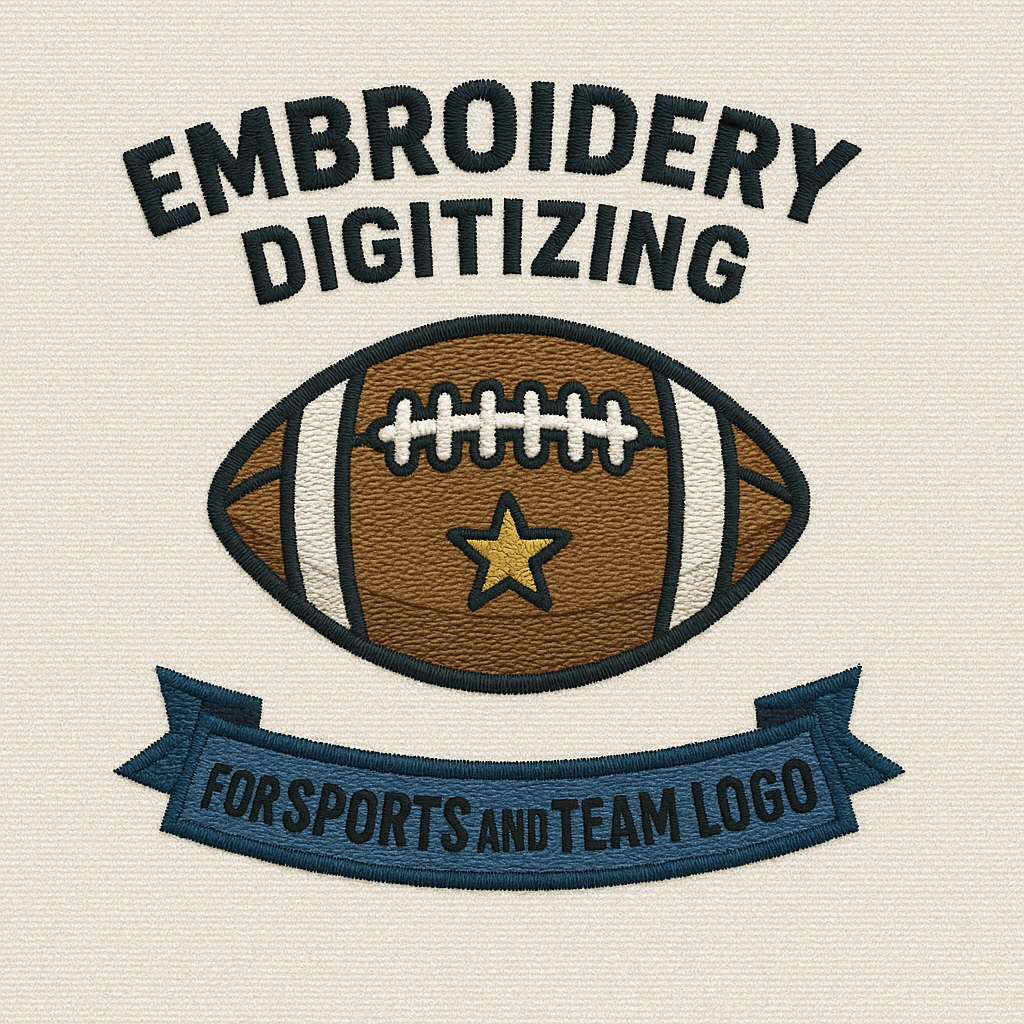
The combination of vector art, embroidery digitizing, and custom patches supports businesses in building consistent branding and professional identity. Logos, emblems, and designs appear sharp, durable, and adaptable across multiple applications. Whether a company wants to outfit employees with embroidered uniforms or a sports team needs bold patches for jerseys, these services ensure results that last.
Professional providers also bring additional value:
-
Faster turnaround times compared to DIY methods.
-
Cost savings by reducing machine downtime and avoiding rework.
-
Higher quality control through expert review and testing.
-
Access to scalable designs that can be used across different media.
Choosing the Right Partner
Not every provider delivers the same level of expertise. When selecting a partner for embroidery digitizing, vector art conversion, or custom patches, businesses should prioritize experience, reliability, and attention to detail. A professional team ensures the final embroidered products enhance the brand rather than detract from it.
One trusted name in this field is Digitemb. With a strong reputation for precision, affordability, and timely delivery, they help clients worldwide turn creative ideas into stunning embroidered results. From a single logo to large production runs, Digitemb offers services that meet diverse needs.
Conclusion: From Screen to Stitch
The journey from a creative design to a finished embroidered product is a fascinating blend of art and technology. Vector Art ensures that designs start with a clean, scalable foundation. Embroidery Digitizing translates those designs into stitch files that machines can interpret with precision. Finally, Custom Patches provide versatility and long-lasting branding solutions that stand the test of time.
For businesses and individuals who want to elevate their branding, choosing professional services is the key to success. With expertise, creativity, and the right tools, your designs can move from the screen to fabric seamlessly, resulting in embroidery that makes a lasting impression.

 Arabic
 Français
 Español
 Português
 Deutsch
 Türkçe
 Dutch
Dutch
 Italiano
 Russian
 Romaian