


How Fine Pitch MicroLED Displays Are Redefining Modern Architecture
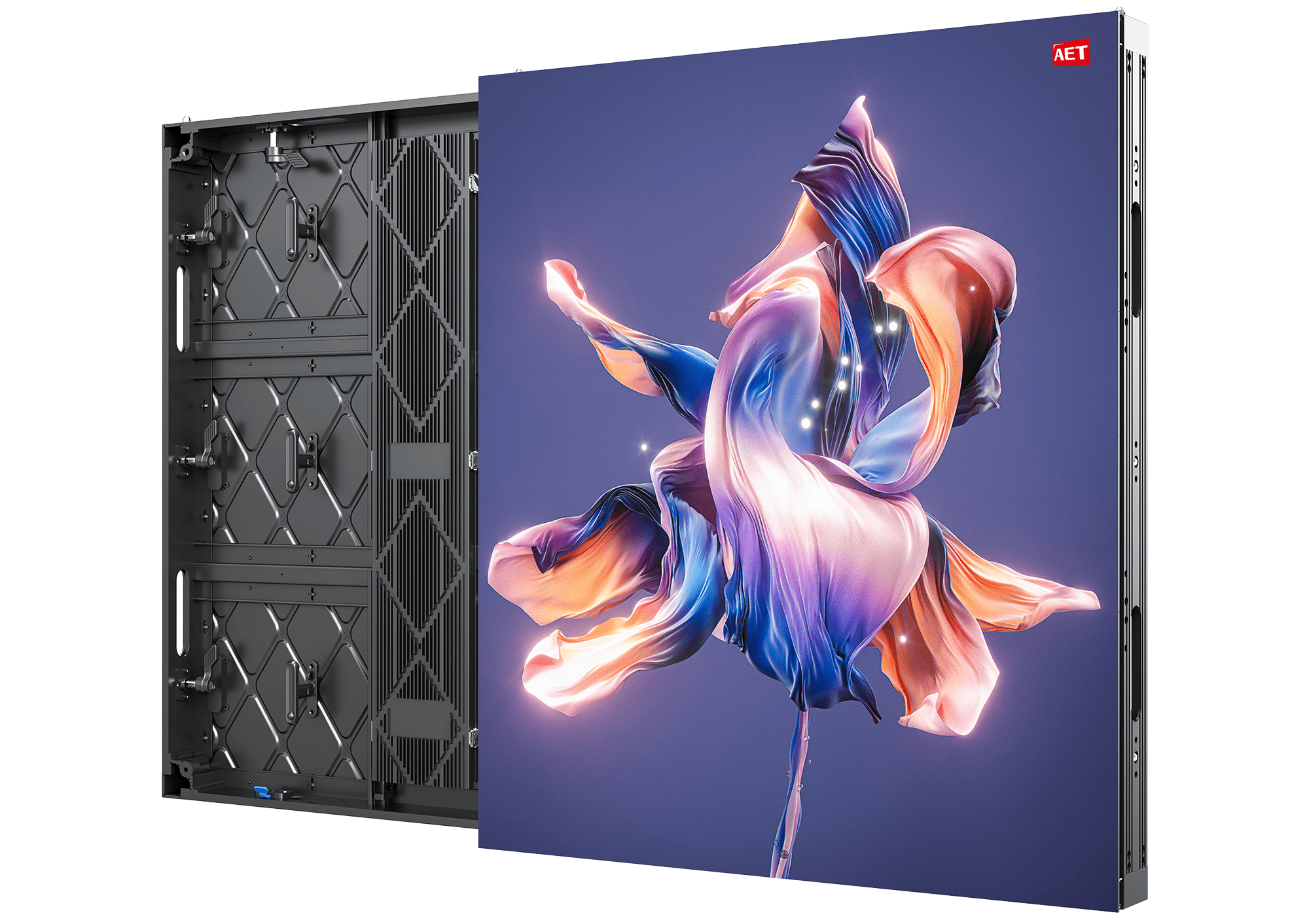
In recent years, architecture has evolved from static construction to immersive experience. Design isn’t just about structure anymore—it’s about atmosphere, interaction, and emotion. For architects, project consultants, and PMCs (Project Management Consultants), fine‑pitch MicroLED displays are no longer just another tech trend—they are becoming fundamental building materials.
What Makes Fine‑Pitch MicroLED Special
MicroLED displays use tiny, self-emissive LEDs arranged in very small pixel pitches—often under 2.5 mm. That kind of density gives you ultra-high resolution, brilliant contrast, and consistent color, even in bright or daylight environments. A big advantage is that these displays don’t need external backlights, and many designs run with little or no fan cooling, so they stay sleek, quiet, and less intrusive. This makes MicroLED technology ideal for applications like LED Outdoor Advertising Screens, where visibility and durability are critical.
Architecture Meets Display: Integration, Not Attachment
Traditional display screens are often installed as add‑ons to the finished design—bolted on walls, hung inside frames, or placed in recesses. Fine‑pitch MicroLED changes that. Because they are thin, emit little heat, and have flexible mounting options, they integrate with architectural surfaces: stone walls, wood panels, metal columns, glass facades. They become part of the material palette—not something awkward or separate. Lobbies, corridors, conference halls: the display can be embedded seamlessly, even curved or wrapped around structural elements.
Storytelling with Space
Spaces are increasingly called upon not just to house users but to communicate narratives. MicroLED allows design to use visuals dynamically: transforming walls into immersive art, ambient displays for branding, content that adapts in tone depending on time of day or events. Think flagship retail stores where campaigns evolve, cultural spaces with shifting ambient visuals, or hospitality zones where welcome messages, environmental cues, or wayfinding elements can be shown in stylish, integrated displays.
Sustainability, Durability, and Scalability
Modern architecture must balance vision with environmental responsibility and long‑term performance. MicroLED displays check many boxes:
- Energy efficiency: they use less power per unit brightness compared to traditional display technologies (like large LCD video walls or projection systems).
- Longevity: many are rated for over 100,000 hours of operation—meaning decades of use with high uptime.
- Low maintenance: fewer moving parts (no bulky cooling fans, etc.), which means less risk of component failure or disruption.
- Scalable and modular: whether you want a huge curved wall, a digital ceiling, or a narrow strip running down columns, MicroLEDs adapt. Modules can be arranged in custom shapes and forms without sacrificing visual quality.
Implications for Architects and PMCs
If you’re specifying design, guiding clients, or leading projects, including MicroLED displays offers real advantages. You’re offering:
- Creative design flexibility—less constraint from display aspect ratios, bezel lines, or rigid formats
- Higher value for clients—spaces that feel modern, immersive, and “digital ready”
- Better long‑term cost efficiency—lower maintenance and energy costs, more durable finishes
- Distinctiveness in the market—when architecture includes dynamic visual elements, it stands out
Partnering with the Right Display Specialist
Choosing the display tech is only part of the process. The right manufacturer or supplier matters: one that understands architectural workflows, technical constraints (heat, mounting, power, content) and works closely with architects and PMCs from early design stages. Early collaboration ensures that the digital components align with structural, material, and aesthetic considerations, and that content and installation meet client expectations—especially when specifying an LED Display Screen for Advertising Outdoor applications.
Fine‑pitch MicroLED displays are not just screens: they’re becoming materials of modern architecture. When thoughtfully integrated, they don’t look like digital add‑ons—they feel like intrinsic parts of the design. And in doing so, they transform spaces into memorable environments. For architects and PMCs, embracing this technology means designing not only for form, but for experience. When structure meets light, and when design meets storytelling, modern architecture finds its future.

 English
 Arabic
 Français
 Español
 Português
 Deutsch
 Türkçe
 Dutch
Dutch
 Italiano
 Russian