


How Professionals Remove Attic Mold Without Spreading Spores
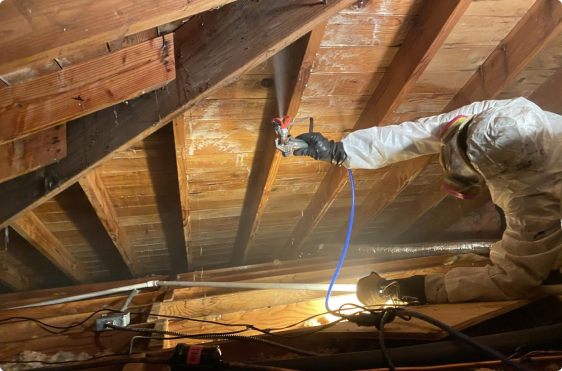
Finding mold in the attic can be unsettling for any homeowner. Attics often become a hidden breeding ground because of trapped humidity, poor ventilation, and unnoticed roof leaks. Over time, mold doesn’t just damage wood, it can also affect indoor air quality and trigger health problems. The safest solution is professional attic mold removal services, where certified specialists use proven methods to clean affected areas while preventing spores from spreading into living spaces.
Unlike a quick DIY attempt with bleach or store-bought sprays, professional remediation follows strict containment and cleaning protocols. These steps protect the rest of your home, ensure complete removal, and address the moisture problems that caused the growth in the first place. In this article, we’ll break down how professionals stop spores from spreading, what methods they use, the costs involved, and the preventative measures that keep mold from coming back.
How Do Professionals Stop Mold Spores from Spreading?
The first priority in any attic mold removal service is to stop spores from traveling. Mold reproduces through tiny airborne particles that can easily move into bedrooms and HVAC systems if the attic is disturbed. To prevent this, specialists seal off the attic with thick plastic barriers and use negative air pressure systems—machines that pull contaminated air out of the attic while filtering it through HEPA units.
During this stage, workers wear full protective suits, respirators, and gloves. Air scrubbers are often added to capture spores floating in the space. GCR Builders LLC, for example, uses advanced containment equipment to make sure cleanup stays safe. Homeowners who skip these precautions during DIY jobs often end up spreading spores unknowingly, which makes the situation worse.
What Techniques Do Experts Use for Attic Mold Treatment?
Once the attic is fully sealed, professionals use different cleaning strategies depending on the level of contamination. Common approaches include:
-
HEPA vacuuming Specialized vacuums that trap mold spores inside filters.
-
Manual scrubbing Surfaces wiped with antimicrobial solutions to kill mold.
-
Soda blasting A gentle blasting method that cleans wood sheathing without harming it.
-
Encapsulation Applying a protective coating that seals the wood and blocks future mold growth.
Each attic requires a tailored plan. For example, soda blasting is ideal for extensive growth on rafters, while light cases may only need HEPA vacuuming and surface treatment.
Why Avoid DIY Attic Mold Removal?
At first, DIY attic cleaning seems cheaper, but it often creates new problems. Common mistakes homeowners make include:
-
Spraying bleach, which doesn’t penetrate porous wood.
-
Forgetting containment, which spreads spores throughout the house.
-
Working without protective gear, risking exposure to allergens and toxins.
-
Overlooking the root cause of moisture, which means mold quickly grows back.
Professional mold remediation not only removes growth but also fixes the source of the problem. In the long run, hiring experts saves both money and stress.
How Much Does Professional Attic Mold Removal Cost?
The mold removal cost in attic areas varies widely. On average, homeowners spend between $1,000 and $3,500 for remediation. Several factors influence pricing:
-
Attic square footage
-
Severity of contamination
-
Treatment methods required
-
Whether insulation or ventilation needs replacement
While the cost may feel high, untreated mold can lead to expensive structural damage and long-term health issues. In most cases, professional cleanup is far less costly than repairs from neglect.
What Are the Health Risks of Leaving Mold in the Attic?
Ignoring black mold in attic removal can put both your home and your health at risk. Mold exposure is linked to:
-
Persistent coughing and nasal irritation
-
Increased asthma or allergy symptoms
-
Eye, throat, and skin irritation
-
Fatigue and headaches
Those with weaker immune systems, such as children, seniors, and individuals with respiratory conditions are especially vulnerable. Removing attic mold promptly is essential for a healthier household.
How Do Experts Keep Mold from Coming Back?
After treatment, professionals focus on prevention. Mold thrives on moisture, so long-term success depends on solving underlying problems. Common preventive measures include:
-
Fixing roof leaks and sealing flashing
-
Improving attic ventilation with fans or vents
-
Replacing water-damaged insulation
-
Adding vapor barriers to control condensation
By addressing the root cause, professionals ensure the attic stays mold-free for years instead of just weeks.
FAQs About Professional Attic Mold Removal
How long does attic mold removal take?
Most attic cleaning and mold removal jobs finish in one to three days. The timeline depends on attic size, contamination level, and the treatment method used.
Do I need new insulation after mold remediation?
Yes, if the insulation is soaked or moldy. Replacing it ensures complete attic mold treatment and helps improve ventilation.
Can mold return after professional removal?
It can, but only if moisture isn’t controlled. That’s why experts combine remediation with prevention.
Is professional attic mold removal safe for families?
Yes. With containment systems and HEPA air scrubbers, spores are trapped, making the process safe for occupants.
What happens during an attic mold inspection?
A certified mold removal technician inspects rafters, insulation, and ventilation. They may use moisture meters and air testing before recommending a treatment plan.
Closing Thoughts
Mold in the attic is more than an eyesore, it can harm your home’s structure and your family’s health. Professional remediation works because it combines containment, thorough cleaning, and long-term prevention. Unlike DIY approaches, professional attic mold removal eliminates spores safely and ensures they don’t spread into living areas. Investing in expert services protects your home, improves indoor air quality, and gives you lasting peace of mind.

 English
 Arabic
 Français
 Español
 Português
 Deutsch
 Dutch
Dutch
 Italiano
 Russian
 Romaian