


Breast Augmentation Recovery Timeline – What to Expect Week by Week
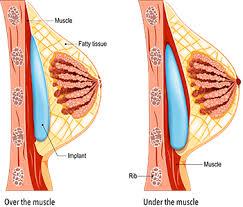
Breast augmentation is one of the most popular cosmetic surgeries worldwide — helping women achieve enhanced volume, shape, and confidence. However, like any surgical procedure, it requires a proper healing period.
Understanding the breast augmentation recovery timeline can help you prepare for what’s ahead and ensure a smooth, comfortable recovery process. This week-by-week guide explains what to expect after surgery, including tips to promote healing and achieve the best possible results.
Overview: How Long Does Breast Augmentation Recovery Take?
The recovery timeline for breast augmentation varies for every patient depending on factors such as implant size, surgical technique, and overall health.
On average:
-
Most patients return to light daily activities within 1 week
-
Resume work or normal routines after 2–3 weeks
-
Enjoy final results after 2–3 months once swelling subsides
With proper care and follow-up visits, you can enjoy long-lasting and natural-looking results.
Week-by-Week Breast Augmentation Recovery Timeline
Let’s break down your recovery journey from day one to full recovery.
Week 1: Immediate Post-Surgery Care
Days 1–7:
This is the most delicate phase of recovery. You may experience:
-
Swelling, tightness, and mild discomfort around the chest area
-
Pressure or heaviness due to the new implants
-
Bruising or tenderness
Your surgeon will prescribe pain medication and antibiotics to prevent infection.
Key Tips:
Rest and avoid lifting or stretching your arms
Sleep on your back with your upper body elevated
Wear a surgical support bra 24/7
Drink plenty of water and eat protein-rich foods
Avoid smoking or alcohol
You may have a follow-up appointment during this week to check healing progress.
Week 2: Reduced Swelling & Improved Comfort
Days 8–14:
Most of the initial swelling and pain subsides during this stage. You’ll begin feeling more comfortable moving around, though tightness may still persist.
You may notice that your implants appear high and firm — this is normal and will gradually settle into place.
Key Tips:
Continue wearing your support bra
Resume light daily activities, but avoid heavy lifting
Follow all cleaning and medication instructions
Attend your post-op check-up if scheduled
Most patients can return to work after 10–14 days, depending on the nature of their job.
Week 3–4: Returning to Normal Routine
By weeks 3 and 4, you’ll start to feel more like yourself again. Swelling and bruising continue to decrease, and your implants will begin to soften and drop into a natural position — known as the “drop and fluff” phase.
Key Tips:
Continue gentle upper body stretches if approved by your surgeon
Avoid high-impact exercise or lifting weights
Keep your incisions clean and dry
Wear your post-surgical bra for support
Most patients can resume office work and light exercise around this time.
Week 5–6: Noticeable Improvement
At this stage, your breasts will start to feel more natural, and most swelling will have gone down. The incision lines begin to fade gradually, and tenderness should be minimal.
You’ll likely be cleared for low-impact workouts, but still avoid chest or arm-intensive exercises.
Key Tips:
Moisturize your skin to improve elasticity
Follow scar care instructions from your surgeon
Keep attending follow-up visits for best monitoring
Your confidence will start to grow as you see your new contour taking shape.
Week 7–12: Full Recovery and Final Results
After 2–3 months, your breasts should have settled into their final position, and most patients are cleared for all types of physical activity.
Scars will continue to fade, and your breasts will look soft, symmetrical, and naturally contoured.
Key Tips:
Switch to supportive sports bras if advised
Protect scars from direct sun exposure
Maintain a healthy lifestyle to preserve results
By this stage, your final breast augmentation results become visible — fuller, beautifully shaped, and natural-looking.
Factors That Affect Recovery Time
While most patients follow a similar recovery path, some factors can influence healing:
-
Type of implants: Silicone vs. saline
-
Implant placement: Submuscular placement may take longer to heal
-
Incision technique: Smaller incisions usually heal faster
-
Your health & lifestyle: Smoking or poor diet can delay recovery
-
Surgeon’s expertise: A skilled, board-certified surgeon ensures minimal trauma and faster healing
Tips for a Smooth Breast Augmentation Recovery
To ensure a safe and comfortable recovery, follow these essential tips:
Follow all post-op instructions carefully
Avoid strenuous activities until cleared
Stay hydrated and maintain a balanced diet
Get plenty of rest and avoid stress
Wear supportive bras as recommended
Attend all scheduled follow-up appointments
Consistency and patience are key — healing takes time, but the results are worth it.
When to Contact Your Surgeon
While mild swelling or tightness is normal, call your surgeon immediately if you notice:
-
Severe pain or redness around the incision
-
Excessive swelling or bleeding
-
Unusual discharge or fever
-
Implant displacement or hardness
Prompt care ensures safe healing and optimal results.
Final Thoughts
The breast augmentation recovery timeline is a gradual but rewarding process. Within just a few weeks, you’ll start seeing beautiful, natural results that enhance your confidence and body image.

 English
 Arabic
 Français
 Español
 Deutsch
 Türkçe
 Dutch
Dutch
 Italiano
 Russian
 Romaian