


Key Factors to Consider When Choosing a Dry Powder Mixing Machine
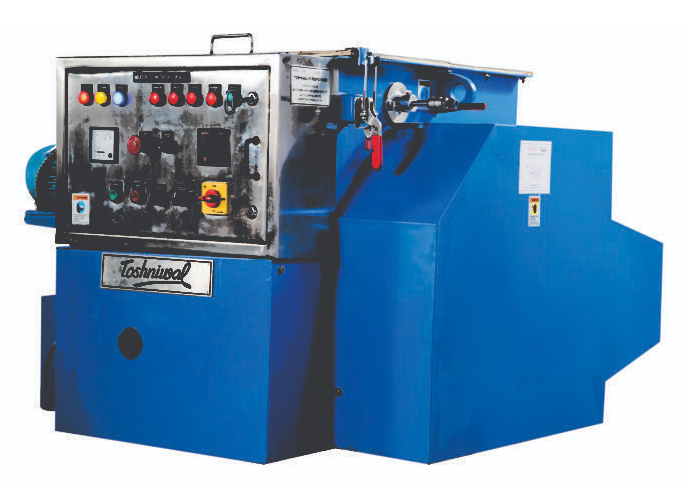
Selecting the right dry powder mixing machine is a critical decision for any business involved in manufacturing powders or powder-based products. Whether you are producing food ingredients, pharmaceutical compounds, chemicals, or other materials, the efficiency and consistency of your mixing process can significantly impact product quality, production speed, and overall operational costs. There are several factors to consider before investing in a dry powder mixing machine, ensuring that it meets your specific production needs.
1. Type of Powder Being Mixed
The nature of the powder being mixed is one of the most important factors to consider. Powders can vary greatly in terms of particle size, flowability, and sensitivity to mixing forces. For example, fine powders like talc or flour may require gentle blending to prevent clumping or degradation, while coarser powders may require more intense mixing action to achieve uniformity.
Dry powder mixing machines come in various designs, including ribbon blenders, paddle mixers, and tumble blenders. Ribbon blenders, for example, are ideal for fine powders that require a gentle mixing process, while paddle mixers are suited for coarser materials. Understanding the characteristics of the material you plan to mix will guide you in choosing the appropriate machine that can handle the specific challenges posed by your powders.
2. Batch Size and Production Volume
Another crucial consideration when selecting a dry powder mixing machine is the required batch size and production volume. If your facility operates on a large scale with high production demands, a larger, industrial-grade mixer capable of handling larger batches may be necessary. These machines are typically designed for high-capacity operations, ensuring that large quantities of material can be mixed efficiently.
On the other hand, smaller operations or businesses that deal with custom formulations may benefit from a smaller, more compact machine that offers quicker turnaround times and better flexibility. The machine’s capacity should align with your production needs to maximize efficiency and minimize unnecessary downtime.
3. Mixing Speed and Efficiency
The mixing speed and efficiency of a dry powder mixing machine can have a direct impact on production time and overall throughput. Machines with variable speed controls allow you to adjust the mixing intensity depending on the type of powder being processed and the desired outcome. Faster mixing speeds can increase productivity, but the key is to balance speed with quality. Overmixing can lead to material degradation or inconsistent blends, while undermixing can result in product defects.
It’s essential to choose a machine that offers the flexibility to adjust mixing speeds based on the specific material and production requirements. Additionally, machines that feature high-efficiency motors and optimized designs can help minimize energy consumption, further improving cost-efficiency.
4. Homogeneity and Consistency
Homogeneity is one of the primary reasons to invest in a dry powder mixing machine. Achieving consistent blending is essential for industries where even the slightest deviation from the ideal mixture can lead to poor product performance, defects, or compliance issues. For example, in pharmaceuticals, an inconsistent blend of active ingredients can compromise the therapeutic effects of the drug, leading to safety concerns and regulatory failures.
When choosing a mixing machine, it is essential to consider the uniformity of the end product. Many modern dry powder mixers are equipped with advanced technology that monitors the blending process and adjusts parameters in real-time to ensure a consistent mix. Machines that provide precise control over mixing speed, time, and rotation ensure that every batch meets the desired specifications.
5. Material Compatibility and Contamination Control
Another important factor to consider when choosing a dry powder mixing machine is the type of materials being mixed and the potential for contamination. In industries such as pharmaceuticals, food production, or cosmetics, contamination control is critical to maintaining product safety and quality. Dry powder mixing machines designed with sanitary, easy-to-clean components help prevent cross-contamination between batches.
Machines made from stainless steel or other non-reactive materials are ideal for preventing contamination, as they are resistant to rust, corrosion, and chemical reactions. Some machines are also designed with smooth surfaces and easy access points to facilitate thorough cleaning, reducing the risk of contamination and improving hygiene standards. For businesses working with sensitive materials, machines equipped with sealed mixing chambers and dust collection systems are also beneficial in minimizing contamination.
6. Maintenance Requirements
Maintenance is another key consideration when choosing a dry powder mixing machine. Like any industrial equipment, these machines require regular upkeep to ensure optimal performance and longevity. A machine with user-friendly maintenance features, such as easy-to-remove parts, straightforward cleaning processes, and accessible components for routine checks, can save time and reduce operational disruptions.
Some machines also come equipped with monitoring systems that alert operators to potential issues before they become major problems, allowing for proactive maintenance. Selecting a machine with low maintenance requirements can help minimize downtime and ensure that your production runs smoothly with fewer interruptions.
7. Automation and Control Features
Automation is increasingly important in modern manufacturing environments. Dry powder mixing machines with advanced automation capabilities can streamline the production process, reducing the need for manual intervention and allowing operators to focus on more complex tasks. Automated systems can monitor and control various parameters, such as mixing time, speed, temperature, and material flow, ensuring that the blending process is optimized for every batch.
Additionally, some machines come with touch-screen interfaces or remote monitoring features that allow operators to adjust settings, monitor the mixing process, and receive alerts in real time. Automation features help improve consistency, reduce human error, and enhance overall production efficiency.
8. Budget and Return on Investment
The cost of a dry powder mixing machine can vary significantly depending on its size, complexity, and features. While it may be tempting to opt for a cheaper model, it’s essential to consider the long-term value of the investment. High-quality machines with advanced features and durable components may come with a higher initial cost but can lead to significant savings in the long run through improved efficiency, reduced maintenance costs, and higher product quality.
When evaluating potential machines, it’s important to calculate the total cost of ownership, including installation, maintenance, energy consumption, and downtime costs. A well-chosen dry powder mixing machine should offer a solid return on investment by increasing productivity, reducing waste, and ensuring product consistency.
Conclusion
Dry Powder Mixing Machine is a vital piece of equipment in many manufacturing processes, and selecting the right one can have a significant impact on your business's efficiency, product quality, and operational costs. By carefully considering factors such as the type of powder, batch size, mixing speed, consistency, contamination control, and maintenance requirements, businesses can ensure they choose a machine that aligns with their production needs. Additionally, investing in a machine with automation features and a solid return on investment can help optimize production, enhance product quality, and drive long-term success.

 Arabic
 Français
 Español
 Português
 Deutsch
 Türkçe
 Dutch
Dutch
 Italiano
 Russian
 Romaian