


Leveraging First-Party Data for Smarter B2B Demand Generation
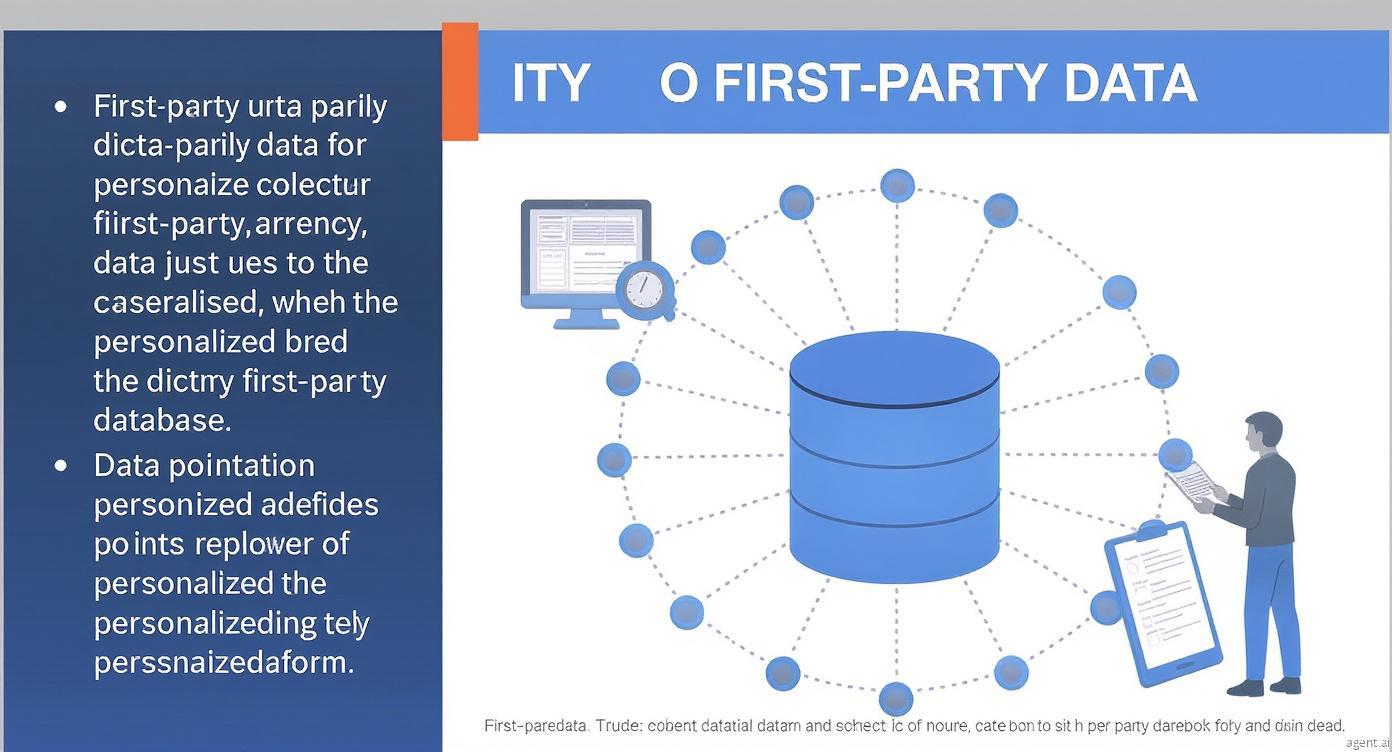
The evolving landscape of B2B Demand Generation is increasingly driven by first-party data. Collected directly from prospects and customers, this data provides accurate insights into behaviors, preferences, and engagement patterns. By leveraging first-party data, organizations can create campaigns that are not only more personalized but also more effective in generating high-quality leads and driving revenue growth.
First-party data empowers marketers to reduce reliance on third-party sources, which often suffer from outdated information or privacy limitations, ensuring that B2B demand generation efforts remain precise and compliant.
The Role of First-Party Data in Modern Marketing
First-party data includes all information collected directly from interactions with customers, such as website activity, form submissions, email engagement, event participation, and transaction histories. Unlike external data sources, first-party data provides verified, real-time insights that form the backbone of data-driven B2B strategies.
For B2B Demand Generation, this data is invaluable. It enables segmentation, personalization, and predictive analytics to optimize campaigns and align marketing strategies with business objectives.
Enhancing Personalization Across Campaigns
One of the most significant advantages of first-party data is the ability to personalize marketing efforts at scale. By understanding prospects’ behaviors and preferences, marketers can tailor messaging and content for each segment, improving engagement rates and nurturing higher-quality leads.
Examples of personalization include:
-
Customized email sequences based on prior interactions.
-
Dynamic website content adapting to visitor behavior.
-
Personalized offers and recommendations for key accounts.
This approach ensures that B2B Demand Generation is not just volume-driven but highly targeted and effective.
Strengthening Account-Based Marketing (ABM)
Account-Based Marketing (ABM) strategies benefit tremendously from first-party data. By analyzing the engagement and activity of key accounts, marketers can craft tailored campaigns for decision-makers and influencers within targeted organizations.
Data-driven ABM allows marketers to:
-
Prioritize accounts with the highest potential value.
-
Deliver multi-touch campaigns that resonate with specific roles.
-
Measure engagement and conversion effectively.
Integrating first-party data into ABM enhances B2B Demand Generation by focusing resources where they deliver the most impact.
Optimizing Lead Scoring and Nurturing
Lead scoring is essential for prioritizing prospects and driving marketing efficiency. First-party data enables more precise lead scoring based on verified engagement signals such as email opens, website visits, and content downloads.
With this information, marketers can create nurturing campaigns that respond to user behavior, sending the right content at the right time. This reduces friction in the buyer journey and increases the likelihood of converting leads into opportunities, reinforcing the impact of B2B Demand Generation strategies.
Driving Campaign Effectiveness with Analytics
Analytics is a core component of successful first-party data utilization. Real-time tracking of metrics like click-through rates, engagement, and conversion allows marketers to adjust campaigns dynamically.
By measuring performance continuously, organizations can optimize content, messaging, and targeting, ensuring that B2B Demand Generation initiatives are both agile and effective.
Predictive Insights for Smarter Decisions
Predictive analytics leverages first-party data to forecast lead behavior and campaign outcomes. AI and machine learning models can identify patterns in historical interactions to predict which prospects are most likely to convert.
This enables marketers to prioritize high-potential leads, allocate resources efficiently, and anticipate the needs of prospects, enhancing the strategic value of B2B Demand Generation.
Integrating Data Across Marketing and Sales
Effective B2B demand generation requires alignment between marketing and sales teams. First-party data ensures both teams operate from the same insights, allowing for consistent messaging and coordinated outreach.
Sales teams benefit from accurate lead scoring and engagement insights, while marketing teams can tailor campaigns based on pipeline needs. This synergy improves efficiency and drives better results in B2B Demand Generation campaigns.
Leveraging Technology for First-Party Data
Marketing technology platforms such as CRMs, marketing automation systems, and Customer Data Platforms (CDPs) enable businesses to consolidate and analyze first-party data effectively. Integration allows marketers to automate personalized campaigns, track multi-channel engagement, and derive actionable insights for campaign optimization.
By connecting first-party data with technology, organizations can scale B2B Demand Generation efforts while maintaining accuracy, personalization, and efficiency.
Enhancing the Buyer Experience
First-party data ensures marketing efforts are relevant and timely, improving the overall buyer experience. When prospects receive content and offers aligned with their interests and engagement history, they are more likely to interact, trust the brand, and progress through the buyer journey.
Enhanced buyer experiences driven by first-party insights demonstrate the strategic importance of B2B Demand Generation in cultivating long-term relationships and revenue growth.
Preparing for the Future of Data-Driven Marketing
The future of B2B demand generation will increasingly rely on first-party data as third-party sources become less reliable due to privacy regulations. Key trends include:
-
Advanced AI Integration: Real-time personalization and predictive insights.
-
Cross-Channel Optimization: Unified view of prospects across web, email, social, and events.
-
Hyper-Personalization: Tailored experiences at every stage of the buyer journey.
-
Privacy Compliance: Maintaining transparency and adhering to GDPR, CCPA, and other regulations.
Organizations that leverage these trends will ensure their B2B Demand Generation efforts remain effective, compliant, and aligned with evolving buyer expectations.
About Us
Acceligize is a global leader in B2B demand generation, helping businesses connect with their most relevant audiences through innovative, data-driven strategies. By combining advanced technologies such as AI, intent data, and content syndication, Acceligize empowers brands to build meaningful relationships and accelerate growth.
With a focus on performance marketing and personalized engagement, the company enables organizations to thrive in today’s competitive digital ecosystem.

 Arabic
 Français
 Español
 Português
 Deutsch
 Türkçe
 Dutch
Dutch
 Italiano
 Russian
 Romaian