


Gain Precision with Attendance Management Software
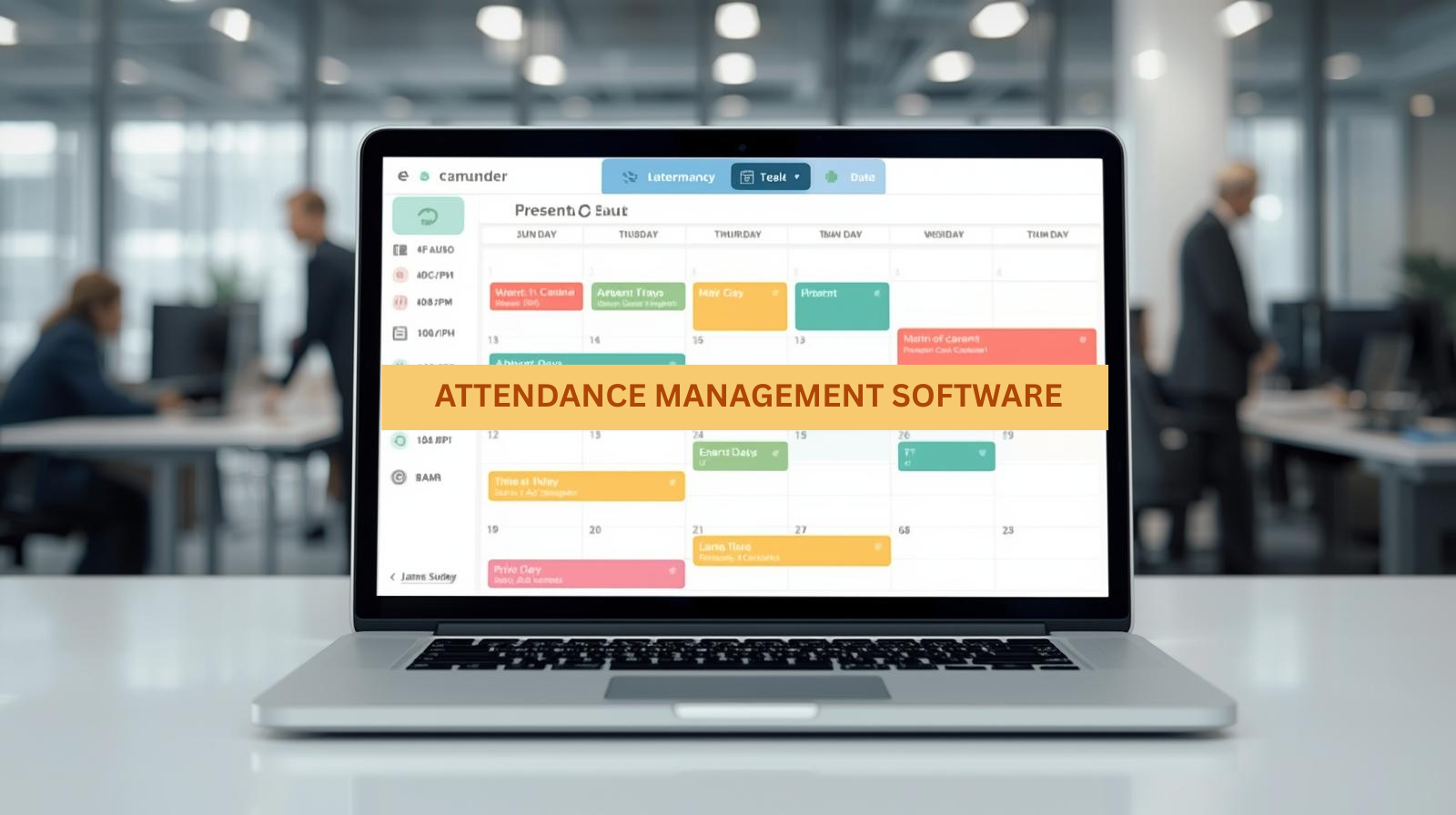
Have you ever wondered how much time your HR team wastes every month just fixing attendance errors? Or how many hours are lost chasing incomplete timesheets, correcting payroll mismatches, or resolving attendance disputes? The answer might surprise you it’s a lot more than you think.
In today’s fast-moving workplaces, managing attendance manually is like using a map in the GPS era. It may get you there eventually, but you’ll waste time, miss turns, and frustrate everyone along the way.
That’s exactly why attendance management software has become a core part of every smart organization’s HR toolkit. It’s not just a fancy digital punch clock. It’s a powerful, automated system that makes attendance tracking, shift planning, and productivity management easier, faster, and more accurate.
Let’s break it all down from what it actually does to how it transforms your HR operations in this deep dive designed to help you make informed decisions and grow your business efficiently.
What Is Attendance Management Software?
In simple terms, attendance management software is a digital system that records, monitors, and analyzes when employees start and finish their workday. It automates check-in and check-out, calculates work hours, manages overtime, and ensures accurate data flow into payroll.
But it doesn’t stop there. The best attendance systems go beyond tracking presence they simplify shift scheduling, integrate with payroll, support remote work, and generate real-time reports that tell you exactly what’s happening inside your workforce.
It can manage everything from:
-
Daily attendance records
-
Shift rosters and schedules
-
Leave and holiday policies
-
Overtime and comp-off rules
-
Remote and mobile check-ins
-
Real-time attendance analytics
In other words, attendance management software gives your HR team their time back while giving your managers data they can actually use.
Why Every Organization Needs Attendance Management Software
1. Manual Systems Cause Chaos
Relying on spreadsheets or punch cards may seem simple at first, but it quickly turns into a nightmare when your business scales. Missed entries, human errors, and lost records create payroll delays, compliance issues, and frustrated employees.
An automated system removes this chaos by logging every check-in in real time. No missed punches. No confusion. No manual tallying. Just smooth, reliable attendance data.
2. Accuracy Builds Trust
When attendance data is accurate, payroll is accurate. Employees trust the system more, managers make fair decisions, and HR can finally stop firefighting errors. A transparent attendance record strengthens accountability across departments.
3. Compliance Is Easier
Every business must maintain attendance data for audits, legal requirements, and labour law compliance. With digital records and automated reports, attendance management software ensures you always meet statutory regulations without the paperwork burden.
4. Productivity Skyrockets
When employees know their attendance is monitored efficiently, punctuality naturally improves. On-time attendance leads to better productivity, fewer unplanned absences, and a culture of responsibility.
5. Payroll Becomes Effortless
Integrating attendance with payroll removes one of HR’s biggest pain points. Automatic syncing of work hours, overtime, leaves, and absences ensures payroll calculations are precise and timely.
6. Managers Gain Control
Managers can view live dashboards showing who is working, who is late, and who is on leave. They can plan shifts, manage absenteeism, and approve regularizations instantly all from one dashboard.
7. Remote and Hybrid Work Tracking
In today’s flexible work culture, attendance isn’t confined to an office. Attendance management software allows remote and field employees to mark attendance from anywhere using mobile apps with GPS tracking, selfies, or face recognition.
Core Features That Define a Great Attendance Management Software
1. Multi-Mode Check-In Options
Whether it’s biometric devices, facial recognition, RFID cards, or mobile apps modern attendance software supports all methods. Employees can log attendance with just one click, scan, or tap.
2. Shift and Roster Management
Complex work schedules? No problem. The system can automatically assign shifts, rotate rosters, and manage flexible timings. It even handles night shifts, week-offs, and public holidays effortlessly.
3. Attendance Policies and Regularization
You can define rules for late arrivals, early departures, and half-days. Employees can submit attendance corrections or missed punches for approval, ensuring clean and accurate records.
4. Mobile Attendance with Geo-Fencing
Field teams and remote employees can mark attendance only when within a specific location boundary using GPS-based geo-fencing. This prevents proxy attendance and ensures authenticity.
5. Overtime and Comp-Off Calculation
Automated systems calculate overtime accurately and convert it into either pay or compensatory offs, based on company policy. This saves HR hours of manual work every month.
6. Real-Time Analytics
Data visualization is where true value lies. Dashboards display live attendance statistics, absenteeism trends, overtime costs, and manpower distribution empowering data-driven decisions.
7. Workflow Automation
Automated approval workflows ensure that attendance exceptions, overtime, and leave requests are routed to the right manager instantly. This eliminates paper trails and unnecessary follow-ups.
8. Payroll Integration
Direct integration with payroll systems ensures that salary processing reflects actual attendance, leaving no room for manual intervention or miscalculations.
9. Device and ERP Connectivity
Attendance management software can connect seamlessly with biometric devices, face scanners, and enterprise ERP systems to create a unified HR ecosystem.
10. Security and Access Control
With role-based access, audit logs, and secure encryption, employee attendance data stays confidential and tamper-proof.
How to Choose the Right Attendance Management Software
Not all attendance tools are created equal. Choosing the right one for your business means evaluating a few critical factors:
-
Ease of Use: The interface should be simple enough for both HR teams and employees to use without constant training.
-
Scalability: As your business grows, your system should easily handle new employees, departments, or branches.
-
Customization: The software should allow you to define attendance policies, holidays, and approval workflows according to your organization’s rules.
-
Integration: Make sure it connects smoothly with payroll, HRMS, and accounting systems.
-
Support and Implementation: A responsive support team is essential for setup, training, and troubleshooting.
-
Mobile Compatibility: Look for mobile apps with location tracking, offline mode, and selfie check-ins for remote workforces.
-
Data Security: Employee data is sensitive. Ensure the provider uses encryption and complies with data protection standards.
Implementation Steps for Success
A tool is only as effective as its implementation. Here’s how to roll it out the smart way:
Step 1: Audit Your Current Attendance Process
List down your existing attendance workflow how data is collected, verified, and used for payroll. Identify bottlenecks, duplication, and manual dependencies.
Step 2: Define Requirements
Make a checklist of must-have features such as shift management, mobile attendance, real-time dashboards, and integration needs.
Step 3: Choose the Right Vendor
Select a vendor that aligns with your needs and can scale with your organization. Ask for a live demo, check testimonials, and test usability before finalizing.
Step 4: Configure Attendance Policies
Define your late mark rules, overtime calculations, week-offs, and leave linkage. Set up approval workflows and multi-level hierarchies if needed.
Step 5: Integrate with Devices and Payroll
Connect the software with biometric scanners, face recognition devices, or mobile apps. Integrate it with payroll to ensure smooth salary calculation.
Step 6: Train Teams and Go Live
Educate employees and managers about how to mark attendance, request regularization, and view reports. Start with a pilot group before organization-wide rollout.
Step 7: Monitor and Optimize
Once live, track reports regularly. Use attendance insights to reduce absenteeism, improve shift scheduling, and boost workforce productivity.
Benefits That Go Beyond Attendance
An effective attendance management system does much more than just marking presence. It becomes a foundation for operational excellence.
-
Improved Employee Morale: Transparency in attendance and payroll builds trust.
-
Reduced HR Workload: Automation means HR spends more time on strategy and less on spreadsheets.
-
Cost Control: Reduced overtime errors and absenteeism directly improve profitability.
-
Strategic Insights: Data from attendance patterns helps plan manpower more efficiently.
-
Better Accountability: With clear records, every employee is accountable for their time.
When attendance data becomes reliable, every department benefits from HR to finance to management.
Common Mistakes to Avoid
Even the best systems can fail if not implemented thoughtfully. Here are some common pitfalls to steer clear of:
-
Ignoring employee training and communication
-
Setting rigid policies without flexibility for remote teams
-
Not integrating with payroll or leave management modules
-
Overlooking compliance or data protection settings
-
Failing to monitor post-implementation performance
A little planning upfront saves a lot of headaches later.
Future of Attendance Management
Attendance tracking is evolving fast. Artificial intelligence and machine learning are being used to detect attendance anomalies, predict absenteeism, and improve workforce planning.
Facial recognition and contactless biometrics are becoming the new standard for secure, hygienic, and quick check-ins. Mobile apps are enabling attendance tracking even in the most remote job sites.
Soon, attendance management systems will become completely predictive not just recording time but recommending ways to improve workforce efficiency.
Final Thoughts
In the modern workplace, attendance management software is no longer optional it’s essential. It ensures accuracy, enhances productivity, and saves countless hours for HR teams and employees alike.
The true beauty of these systems lies in how they simplify complexity. They take the messiest part of HR attendance and turn it into a structured, reliable, data-driven process that powers your organization’s growth.
If you want to eliminate errors, automate workflows, and get complete visibility into your workforce performance, the right attendance management software can make it happen.
Book a free demo today and see how seamless attendance tracking can transform your organization’s efficiency.

 English
 Arabic
 Français
 Español
 Português
 Deutsch
 Türkçe
 Dutch
Dutch
 Russian
 Romaian