


Smarter Workforce Planning with Leave Management Software
Every HR professional has been there juggling endless Excel sheets, replying to a chain of leave request emails, and trying to figure out who approved what last week. Managing leaves manually might have worked when you had ten employees, but now it’s a productivity nightmare.
Employees get confused about their leave balance, managers get frustrated with overlapping absences, and HR ends up spending more time fixing errors than focusing on people. The good news? There’s a better, smarter, and faster way to manage it all.
That’s where leave management software steps in your digital partner to automate, simplify, and elevate how you handle employee time off.
In this article, we’ll break down why modern companies are switching to automated leave systems, how they drive efficiency, what features you should look for, and how the right software can save both money and sanity.
The Pain of Manual Leave Management
Let’s start with the obvious manual leave tracking is a productivity killer.
If your HR team still depends on spreadsheets, emails, or paper forms to track employee leaves, you’re likely drowning in confusion.
Here’s why:
-
Zero Real-Time Visibility: HR doesn’t know who is on leave until it’s too late.
-
Error-Prone Calculations: One wrong formula in Excel and your leave balances go haywire.
-
Slow Approvals: Managers forget to respond, employees send reminders, and HR gets stuck in the middle.
-
No Policy Consistency: Different teams interpret rules differently, leading to bias and frustration.
-
Compliance Risks: Missing records and miscalculations can cost the company during audits or labour inspections.
In short, manual leave management eats time, creates stress, and damages trust. The more your workforce grows, the faster this chaos multiplies.
What Is Leave Management Software (And Why It’s a Game Changer)
Leave management software is a digital platform that automates every step of the leave lifecycle from request to approval to reporting.
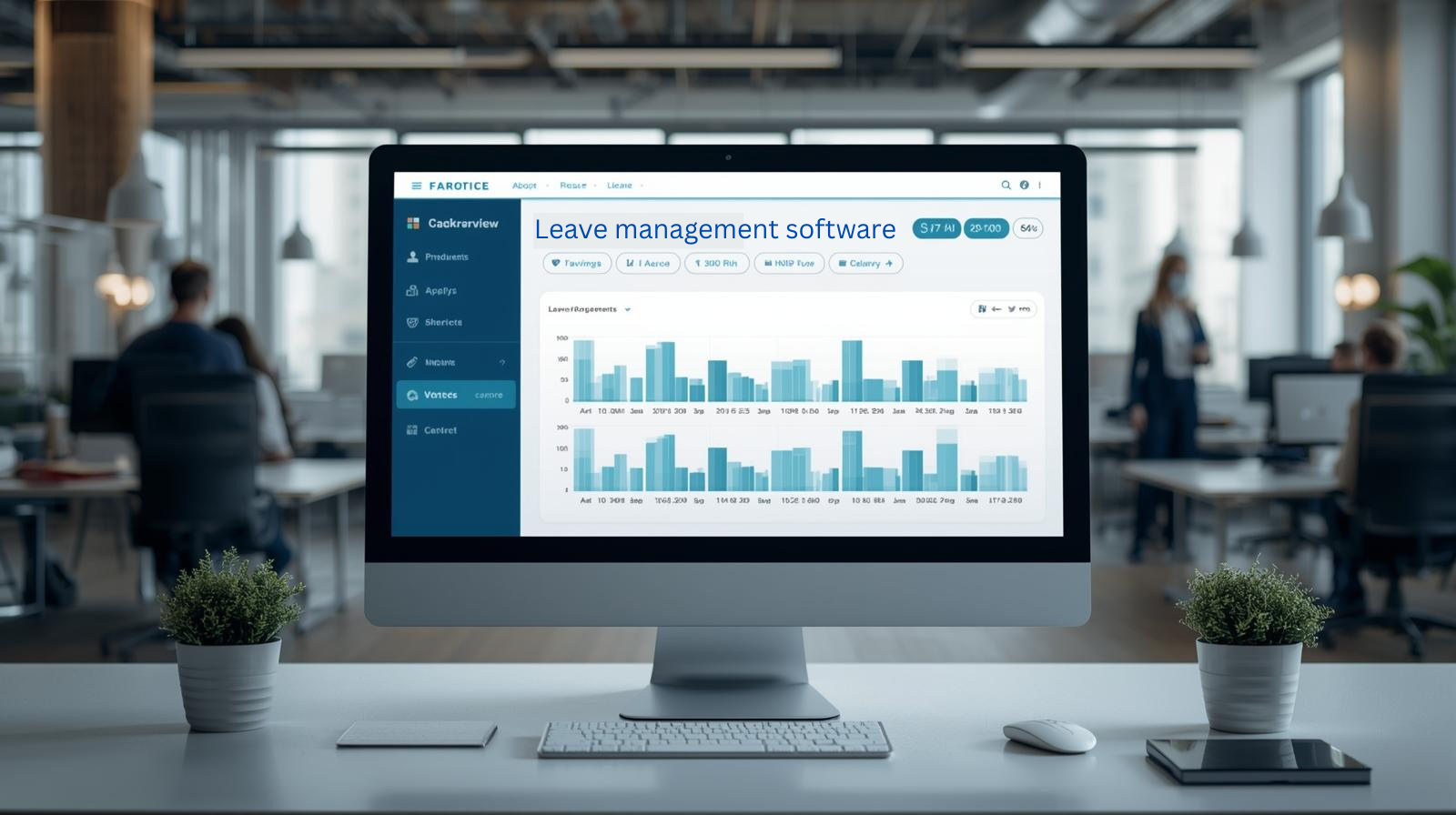
Instead of managing multiple spreadsheets and emails, employees can log into one system, apply for leave, track approvals, and check balances instantly. Managers can see team availability, approve requests in seconds, and HR gets a unified dashboard to control policies and compliance.
It’s like having an automated leave manager that never sleeps, never forgets, and never miscalculates.
The Core Features That Make Leave Management Software Essential
When evaluating a leave management system, features matter. A basic tool might handle requests, but a powerful one transforms how your HR functions daily. Here are the essential features to look for:
a) Configurable Leave Policies
Every company has unique policies sick leave, casual leave, maternity leave, compensatory offs, or sabbaticals.
A great system lets you configure all of them easily, assign different rules to different departments, and automatically calculate accruals and carry-forwards.
b) Multi-Level Approvals
No more bottlenecks. The right software supports multi-level workflows, ensuring each leave request reaches the right approvers automatically.
c) Real-Time Leave Balances
Employees can see how many leaves they’ve taken, what’s pending, and how much is left without emailing HR. Instant transparency means fewer questions and less confusion.
d) Automated Carry Forward and Encashment
At year-end, the system automatically carries forward eligible leaves, lapses expired ones, and even handles encashments without manual effort.
e) Mobile Access
Modern employees aren’t tied to desks. Mobile access allows staff and managers to request or approve leaves anytime, anywhere.
f) Advanced Analytics
The best leave management software offers dashboards and reports showing trends, absentee patterns, leave utilization, and department-wise comparisons. Data-driven insights help HR identify issues early and plan resources better.
g) Alerts and Notifications
Automatic reminders for pending approvals, upcoming leaves, or balance updates keep everyone aligned.
h) Integration with Attendance and Payroll
Seamless integration ensures approved leaves are automatically reflected in attendance and payroll records no double work, no mismatches.
The Business Impact of Leave Management Software
You might think, “It’s just leave tracking how much difference can it make?”
Surprisingly, the impact is huge. Let’s break it down.
a) Efficiency Boost
Automation eliminates repetitive manual work. HR spends less time fixing errors and more time building culture. Managers approve in seconds instead of hours.
b) Policy Enforcement
The system automatically applies company policies sandwich rules, carry-forward limits, notice periods so there’s no bias or misinterpretation.
c) Cost Savings
Incorrect leave balances and missed attendance penalties cost businesses thousands every year. Automation reduces financial leakage by ensuring accuracy.
d) Improved Employee Experience
Employees love clarity. A self-service portal where they can check balances and apply for leave without chasing HR increases satisfaction and trust.
e) Better Resource Planning
Managers get real-time visibility into who’s available, helping them plan projects efficiently and avoid overlapping leaves.
f) Legal and Audit Readiness
Every leave request, approval, and balance update is digitally recorded making audits smoother and reducing compliance risks.
Why Modern Businesses Can’t Afford to Delay Adoption
Companies that resist automation often underestimate the hidden costs of manual work. Think about this:
-
An HR executive spends 3 hours weekly reconciling leave spreadsheets. That’s nearly 150 hours annually time that could be spent on strategy.
-
Mismanaged leave data can inflate payroll costs by up to 5% annually, according to industry surveys.
-
Inconsistent policy enforcement can lead to employee dissatisfaction and higher attrition.
In today’s hybrid and remote work environment, manual systems simply can’t keep up. Employees expect instant visibility, and leaders expect real-time analytics. Leave management software bridges that gap beautifully.
Key Factors to Consider Before Choosing Leave Management Software
Now that you know why it’s essential, here’s how to choose wisely.
a) Scalability
Your system should grow with your business. If you have 50 employees today and 500 tomorrow, it should handle both effortlessly.
b) User Experience
Choose software that employees actually enjoy using. Clean interfaces and intuitive workflows mean better adoption rates.
c) Flexibility
Your policies will evolve. Pick a solution that allows quick policy updates, department-wise rules, and customizable reports.
d) Integration Capabilities
The software should easily connect with attendance tracking, payroll, and HR modules to ensure all data stays synchronized.
e) Analytics and Insights
Don’t settle for just tracking leaves. Choose one that helps you analyze patterns, identify absentee trends, and make data-driven decisions.
f) Security and Compliance
Employee leave data is sensitive. Ensure your software follows strict security protocols and offers role-based access control.
Common Mistakes Businesses Make (And How to Avoid Them)
Even the best tools fail when implemented wrong. Here’s what to watch out for:
Mistake 1: Implementing Without Policy Clarity
If your leave policies are ambiguous or undocumented, automation won’t help. Define clear rules before onboarding software.
Mistake 2: Ignoring Employee Training
People resist change. Conduct hands-on training sessions and explain the benefits speed, transparency, and control.
Mistake 3: Over-Customizing
Avoid creating overly complex rules for every minor exception. Start simple, then evolve.
Mistake 4: Forgetting Integrations
Leave data affects payroll, attendance, and compliance. If these aren’t linked, you’ll end up duplicating work.
Mistake 5: Not Using Reports
Don’t just automate. Analyze. Use the reports to understand patterns and make better workforce decisions.
Implementation Roadmap for a Smooth Transition
To make your move to leave management software seamless, follow this roadmap:
-
Audit Your Current Process: Identify bottlenecks, inconsistencies, and pain points.
-
Define Clear Policies: Document leave types, eligibility, accruals, and approval hierarchies.
-
Set Up a Pilot Run: Test the system with one department first and gather feedback.
-
Train Employees and Managers: Conduct short demos to ensure everyone understands how to use it.
-
Integrate with Existing HR Systems: Sync data with attendance and payroll modules.
-
Monitor and Optimize: After going live, regularly check analytics and tweak policies for continuous improvement.
A well-planned rollout ensures smooth adoption and long-term success.
Real-World Benefits Companies Report
Businesses that switch to automated leave management systems often report measurable improvements within months.
-
Up to 60% reduction in HR administrative workload.
-
Faster approval cycles cut from days to hours.
-
Fewer payroll discrepancies and compliance issues.
-
Increased employee satisfaction and transparency.
-
Better forecasting for staffing and resource planning.
It’s not just an HR upgrade it’s a business transformation.
The Strategic Side of Leave Management
Beyond the operational benefits, leave data provides deep insights into organizational health.
-
High absenteeism might signal low morale or overwork.
-
Frequent short leaves could point to burnout or team conflicts.
-
Seasonal trends help you plan staffing around festivals, school holidays, or project cycles.
When HR uses these insights effectively, it elevates from an administrative function to a strategic partner in workforce planning.
The Future of Leave Management Software
The next wave of HR automation is powered by AI and analytics. Modern leave systems are beginning to predict employee leave patterns, flag potential staffing gaps, and even suggest policy adjustments.
Imagine receiving alerts like:
-
“Team A’s average sick leave increased 20% this quarter check workload.”
-
“December shows overlapping vacations approve strategically.”
This kind of predictive insight is where the future of HR tech is heading.
Why Now Is the Perfect Time to Automate
The workforce has changed. Hybrid work, flexible hours, and distributed teams demand transparent systems that work 24/7. Relying on emails and Excel sheets is like using a landline in a smartphone world it might work, but it limits you.
Automation is no longer a luxury; it’s an operational necessity. The sooner your company adapts, the more competitive and agile you become.
Conclusion: Stop Managing Chaos Start Managing Smart
Leave management may sound like a small HR function, but it touches every employee in your organisation. From payroll accuracy to morale and productivity, everything is connected.
When you automate it, you create a smoother employee experience, free up HR bandwidth, and gain visibility into patterns that impact your business.
If your company is still stuck in manual approval cycles, confusing spreadsheets, and endless email threads, it’s time to modernize.
Don’t let outdated systems hold you back.
Transform your HR operations with intelligent leave management software that puts control, compliance, and clarity in one place.
And if you’re serious about simplifying HR, increasing productivity, and making your team’s life easier book a free demo today and see the difference automation can make.

 English
 Français
 Español
 Português
 Deutsch
 Türkçe
 Dutch
Dutch
 Italiano
 Russian
 Romaian