


How to Design B2B Landing Pages for Lead Generation
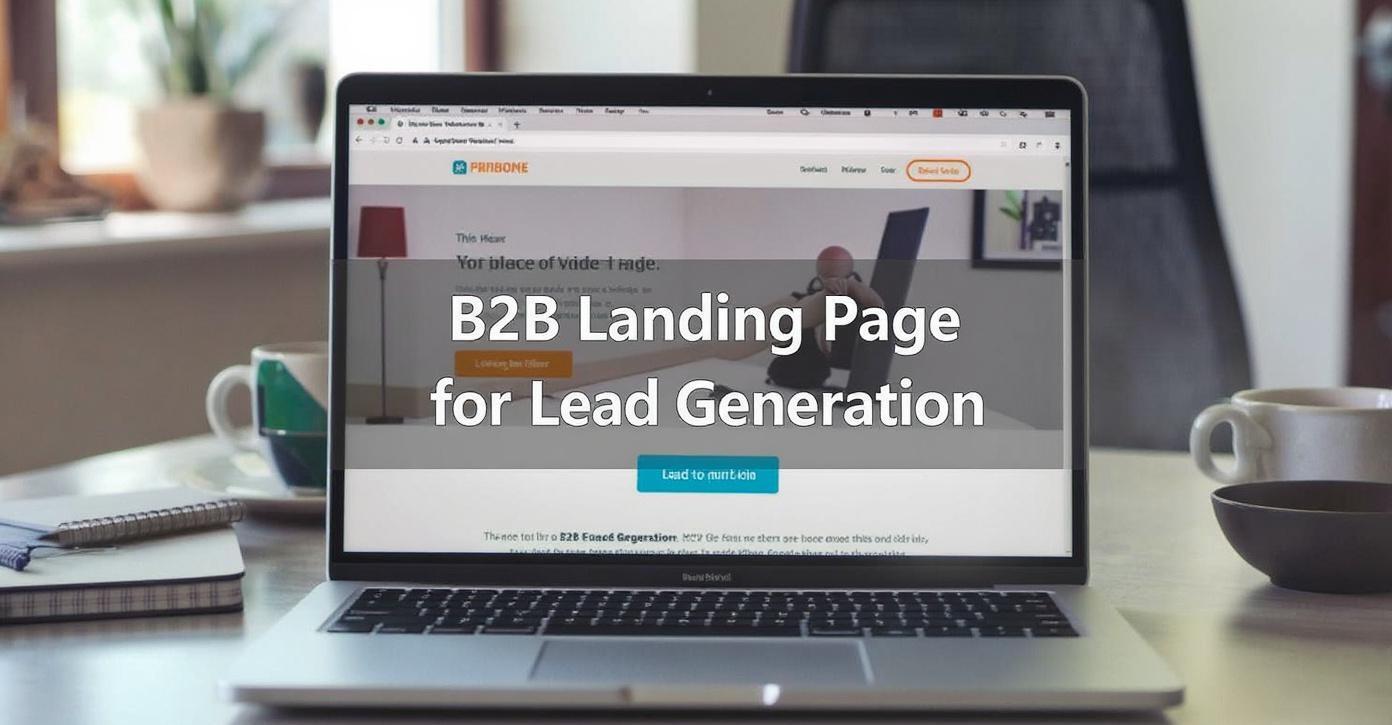
A well-designed B2B Landing Page is essential for converting visitors into high-quality leads. Unlike standard website pages, a B2B landing page must focus on a single objective, guiding users toward completing a desired action such as downloading a resource, requesting a demo, or signing up for a webinar. Understanding the design principles that drive engagement and conversions is critical for businesses seeking measurable results.
Compelling Headline That Captures Attention
The headline is the first thing visitors notice and must communicate the page’s value instantly. A B2B landing page should use a headline that is concise, clear, and benefit-driven. For example, instead of “Learn More,” a headline like “Accelerate Enterprise Growth with AI-Driven Solutions” immediately conveys value. An engaging headline sets the tone and encourages visitors to explore the page further.
Clear and Strong Value Proposition
The value proposition explains why the offering is important and how it solves a prospect’s problem. It should highlight tangible benefits such as cost reduction, efficiency improvements, or measurable business outcomes. A strong value proposition, presented prominently on the landing page, ensures visitors quickly understand why they should take action. Supporting the proposition with statistics or testimonials adds credibility and enhances trust.
Visual Design That Enhances Engagement
Design plays a crucial role in keeping visitors on the page. A professional B2B landing page should have a clean layout, readable fonts, and contrasting CTA buttons. Visual elements like images, videos, or infographics help simplify complex solutions and engage the audience. Strategic use of white space ensures clarity and focuses attention on essential elements like forms and CTAs, making the page easy to navigate.
Action-Oriented Call-to-Action (CTA)
The CTA is the key element that drives conversions. It should be prominent, visually appealing, and use action-oriented language such as “Request Your Free Demo” or “Download the Case Study.” Placement matters: CTAs should be visible above the fold and repeated at logical points throughout the page. Testing different CTA designs and copy helps optimize performance and increases the likelihood of user engagement.
Concise and Targeted Content
Content should be tailored to the audience and easy to scan. Short paragraphs, bullet points, and subheadings improve readability. Avoid overwhelming visitors with technical jargon or excessive text. Instead, focus on the benefits and outcomes your solution provides. Including case studies, testimonials, and client logos strengthens credibility and demonstrates tangible results, increasing the chance of lead conversion.
Optimized Lead Capture Forms
Forms are where visitors become leads, so design and usability are critical. Keep forms short, asking only for essential information such as name, email, company, and job title. Long forms can discourage submissions. Consider progressive profiling to collect additional details over time. A clear and action-oriented form CTA ensures visitors understand what happens after they submit their information, enhancing conversion rates.
Trust Signals and Social Proof
Trust is essential in B2B interactions. Adding client logos, testimonials, certifications, security badges, and case studies reinforces credibility. Social proof demonstrates that other businesses have successfully used your solution, making prospects more likely to convert. Highlighting measurable results or satisfied customer experiences can significantly increase confidence in your offerings.
Mobile Optimization and Page Speed
Landing pages must perform well across all devices, including smartphones and tablets. Mobile-friendly design ensures visitors can easily navigate the page and complete actions. Fast-loading pages are equally important, as slow pages increase bounce rates and reduce conversions. Compressing images, using efficient code, and leveraging caching techniques improve load times and overall user experience.
SEO and Keyword Strategy
Optimizing the landing page for search engines is essential for attracting qualified traffic. Naturally incorporating keywords like “B2B Landing Page” throughout headings, content, and meta descriptions improves visibility. Properly optimized images, structured data, and alt text contribute to better rankings. An SEO-friendly landing page ensures that the right audience discovers your offer when searching for relevant solutions.
A/B Testing for Continuous Improvement
Even a well-designed landing page requires ongoing optimization. A/B testing different headlines, CTA buttons, form layouts, and images helps determine what resonates best with your audience. Tracking metrics such as conversion rates, bounce rates, and time on page provides insights into user behavior. Regular iteration based on data ensures the landing page continues to generate high-quality leads effectively.
Personalization for Better Engagement
Personalized landing pages significantly enhance engagement and conversions. By tailoring content based on visitor data, industry, or behavior, B2B marketers can present offers that are highly relevant. Dynamic content like personalized greetings, product recommendations, or targeted messaging strengthens the user experience. Personalization builds stronger connections with prospects and improves lead quality.
Integration With Marketing Automation
A high-performing B2B landing page should integrate seamlessly with marketing automation and CRM platforms. This allows for automated lead nurturing, scoring, and follow-up. Analytics tracking helps marketers understand visitor behavior and optimize campaigns accordingly. Proper integration ensures leads generated from the landing page are effectively managed, increasing the chances of conversion and ROI.
Key Features
By combining clear headlines, compelling value propositions, visually appealing design, strong CTAs, concise content, optimized forms, trust signals, mobile optimization, SEO, personalization, and marketing integration, a B2B landing page becomes a powerful tool for lead generation. Businesses that prioritize these elements see higher conversion rates, better-quality leads, and improved alignment between marketing and sales teams.
About Us : Acceligize is a global B2B demand generation and technology marketing company helping brands connect with qualified audiences through data-driven strategies. Founded in 2016, it delivers end-to-end lead generation, content syndication, and account-based marketing solutions powered by technology, creativity, and compliance.

 English
 Arabic
 Français
 Español
 Português
 Deutsch
 Türkçe
 Dutch
Dutch
 Russian
 Romaian