


Microfilm Scanning vs Microfiche Scanning: What’s the Difference?
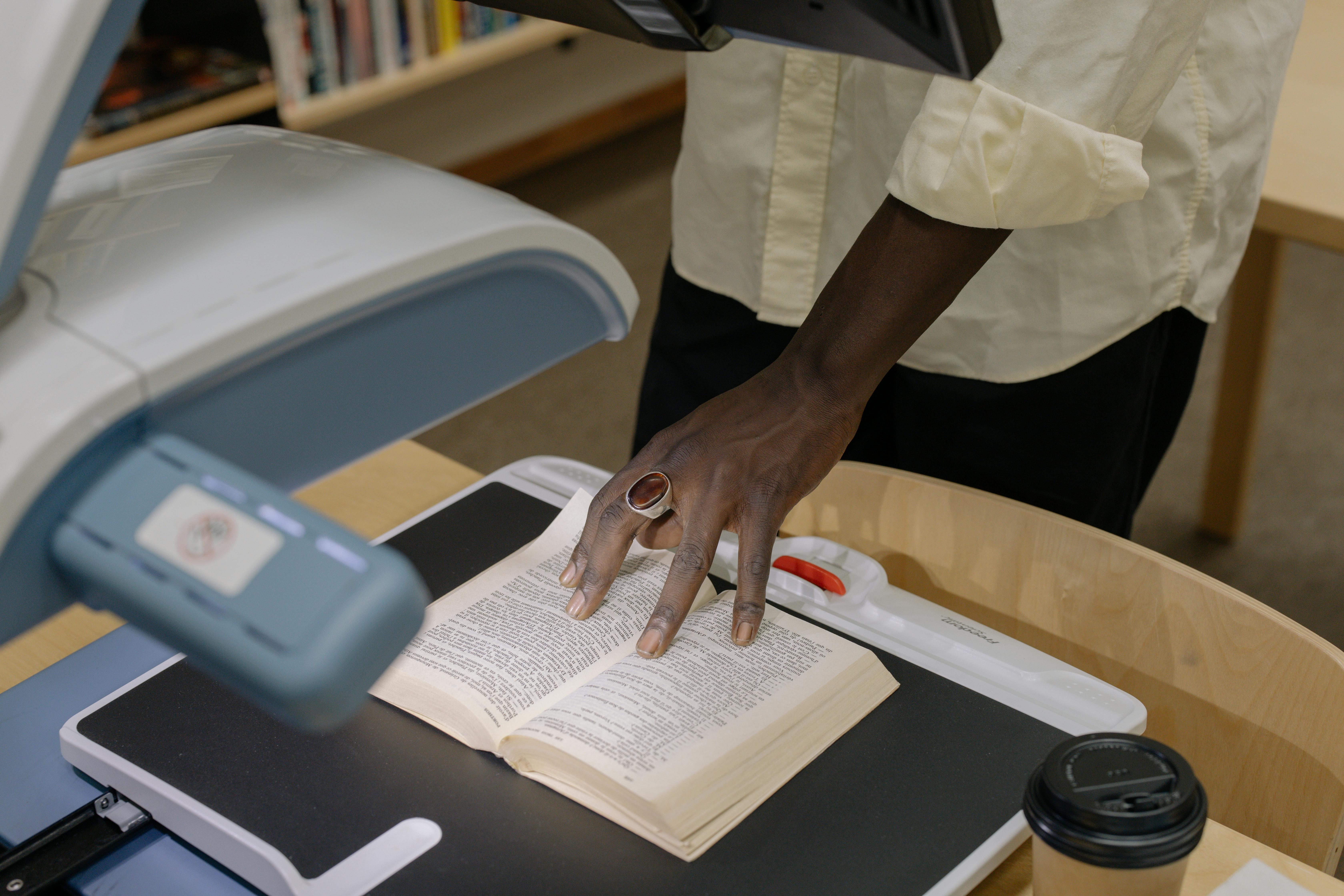
For decades, organizations such as libraries, government offices, and archives have relied on microfilm and microfiche to store large volumes of records compactly. These analog formats were revolutionary in their time — but as technology has advanced, the need for digital access and preservation has become more important than ever.
That’s where microfilm scanning services come in. These services convert both microfilm and microfiche into searchable, digital files that can be easily accessed, shared, and stored. But while the two formats are often mentioned together, microfilm and microfiche are not the same thing, and the process to scan each differs in key ways.
Let’s break down the main differences between microfilm and microfiche — and why understanding them matters when choosing a digitization service.
1. What Is Microfilm?
Microfilm is a thin reel of film, typically 16mm or 35mm wide, that stores miniature photographic reproductions of documents in a linear sequence. It’s usually wound onto spools and read using a microfilm reader that magnifies the images for viewing.
Microfilm is ideal for storing continuous document collections — such as newspapers, records, or long files — because it can hold hundreds or even thousands of images on a single roll.
When converted using microfilm scanning services, each frame is captured and turned into a high-resolution digital image, often in TIFF or PDF format. Modern scanning equipment can process entire rolls automatically while maintaining excellent image quality and indexing accuracy.
2. What Is Microfiche?
Microfiche, on the other hand, is a flat sheet of film, usually 4 x 6 inches in size, containing a grid of micro-images (often 60–98 images per sheet). Unlike microfilm, microfiche does not require rewinding or spooling — it’s more like a photographic index card.
Microfiche was commonly used for storing individual record sets, such as employee files, patents, or academic documents. Each sheet typically contains unique identifiers or headers to help users locate specific records.
When scanning microfiche, the process involves capturing every image in the grid one by one. This requires specialized scanners that can handle flat sheets, ensuring consistent lighting, focus, and resolution.
3. Key Differences Between Microfilm and Microfiche Scanning
| Feature | Microfilm | Microfiche |
|---|---|---|
| Format | Rolled film on a spool | Flat sheet of film |
| Image Layout | Linear sequence | Grid or matrix layout |
| Capacity | Hundreds to thousands of images per roll | Dozens of images per sheet |
| Common Use | Newspapers, archives, large document sets | Personnel files, records, academic archives |
| Scanning Equipment | Roll film scanner | Flatbed fiche scanner |
| Scanning Speed | Faster (automated roll feed) | Slower (individual sheet capture) |
Understanding these differences helps you choose the right microfilm scanning services for your specific collection and storage needs.
4. Why Digitize Microfilm and Microfiche?
Both formats have one major drawback — they degrade over time. Film is sensitive to heat, humidity, and handling, and once the images fade or crack, they can’t be restored easily.
Digitization preserves your data permanently and offers multiple benefits:
-
Enhanced accessibility – View and share files instantly from any device.
-
Searchable records – With OCR (Optical Character Recognition), text becomes searchable.
-
Improved storage efficiency – Eliminate bulky cabinets and free up physical space.
-
Disaster recovery – Protect records from loss due to fire, flooding, or decay.
Professional microfilm scanning services ensure every frame or image is captured at archival quality and indexed for quick digital retrieval.
5. Choosing the Right Scanning Partner
When selecting a provider for microfilm scanning services, look for:
-
Experience with both microfilm and microfiche formats.
-
High-resolution scanning equipment (up to 600 DPI or higher).
-
OCR capability for searchable digital text.
-
Quality assurance to verify accuracy and completeness.
-
Secure handling and data protection throughout the process.
A reliable scanning partner will assess your collection, recommend the right scanning method, and deliver digital files in formats compatible with your document management system.
Final Thoughts
While microfilm and microfiche share a similar purpose, they differ in format, storage capacity, and digitization techniques. Understanding these differences ensures that your records are digitized properly and preserved for long-term access.
Professional microfilm scanning services make the process seamless — transforming fragile film archives into durable, accessible, and searchable digital assets that stand the test of time.

 English
 Arabic
 Français
 Español
 Português
 Deutsch
 Türkçe
 Dutch
Dutch
 Russian
 Romaian