


Preparing for Pregnancy — A Complete Preconception Checklist
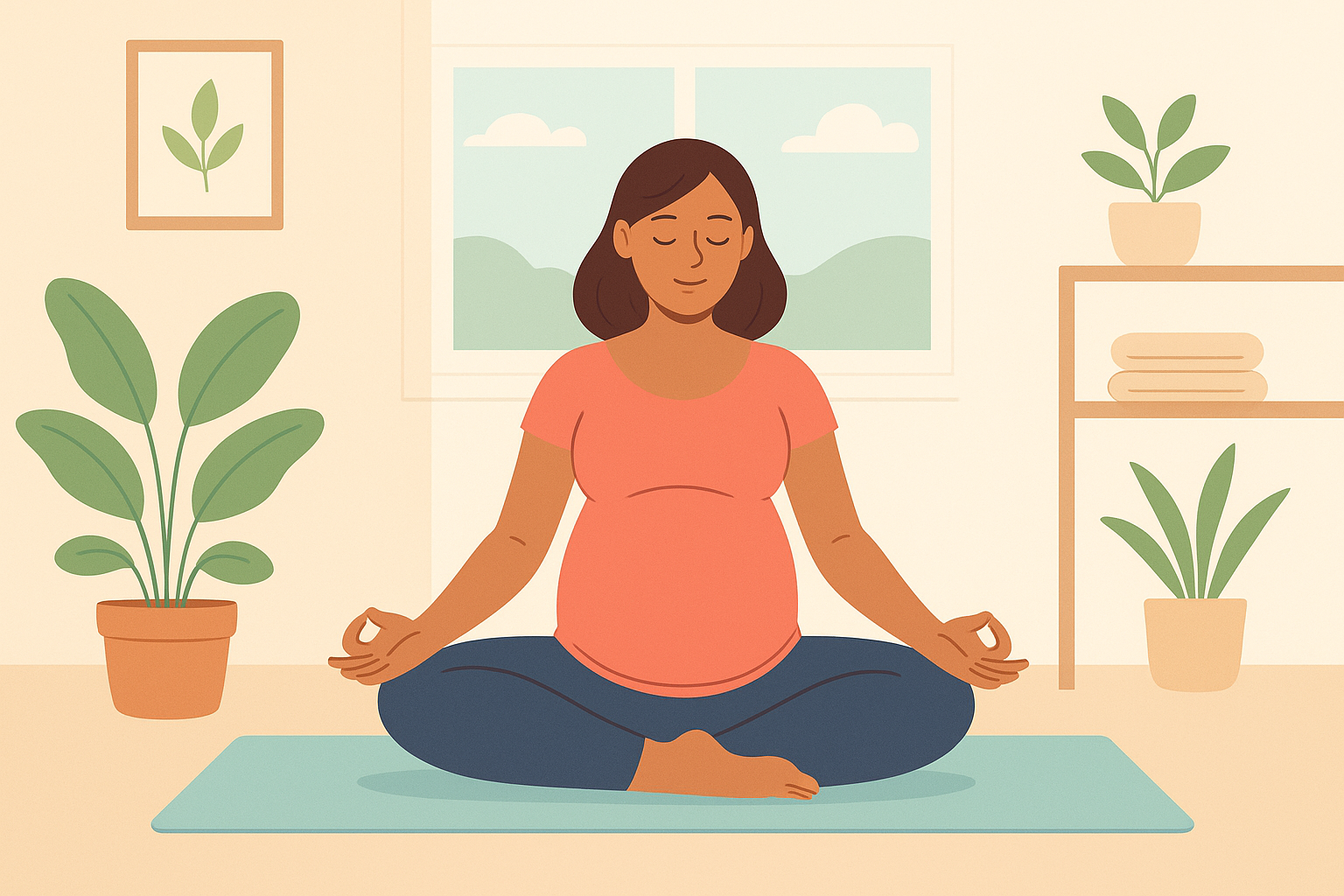
Planning to start a family is one of the most exciting and transformative decisions in a woman’s life. However, before you conceive, it’s essential to prepare your body and mind for the journey ahead. Consulting the best gynecologist in Panjim can help you understand your fertility, identify potential health concerns, and create a personalized preconception plan. Preparing for pregnancy goes beyond simply stopping contraception — it’s about creating a strong foundation for your baby’s development and your long-term well-being.
Why Preconception Care Matters
Preconception care focuses on optimizing your health before pregnancy to improve outcomes for both mother and baby. Many women don’t realize that a baby’s health begins long before conception — factors like nutrition, lifestyle, and existing medical conditions play a vital role in fetal development.
Research shows that women who take steps to improve their health before pregnancy have a lower risk of complications such as preeclampsia, gestational diabetes, and low birth weight. A few months of preparation can make a significant difference to your pregnancy experience and your baby’s health.
Step 1: Schedule a Preconception Checkup
Your first step should be a visit to your gynecologist. A preconception consultation includes a detailed medical review, lifestyle assessment, and sometimes a few diagnostic tests. Your doctor may discuss:
-
Menstrual history: to understand ovulation and fertility patterns.
-
Existing health conditions: such as diabetes, thyroid disorders, or hypertension, which should be well-managed before pregnancy.
-
Medication review: to ensure any current prescriptions are safe for pregnancy.
-
Vaccination status: including rubella, hepatitis B, and varicella, which protect against infections harmful to the fetus.
This appointment helps identify any issues early and gives you time to make necessary adjustments before conceiving.
Step 2: Adopt a Balanced, Nutrient-Rich Diet
Your diet before pregnancy is just as important as your diet during it. Essential nutrients strengthen your body, regulate hormones, and prepare your reproductive system for conception.
Key nutrients to focus on include:
-
Folic Acid: Reduces the risk of neural tube defects in the baby. Ideally, start supplementation at least three months before conception (400–800 mcg daily).
-
Iron: Prevents anemia and supports oxygen transport. Found in leafy greens, lentils, and lean meat.
-
Calcium and Vitamin D: Support bone strength and fetal development. Include dairy, fortified foods, and safe sunlight exposure.
-
Omega-3 Fatty Acids: Important for brain development. Sources include fish, flaxseeds, and walnuts.
Eating a variety of colorful fruits, vegetables, whole grains, and lean proteins helps balance hormones and maintain a healthy weight — both crucial for fertility.
Step 3: Maintain a Healthy Weight
Both underweight and overweight women can face fertility challenges and pregnancy complications. Excess body fat may cause hormonal imbalances that disrupt ovulation, while being underweight can reduce the body’s ability to sustain a pregnancy.
Aim for a Body Mass Index (BMI) within the healthy range (18.5–24.9). Even a modest weight loss of 5–10% can significantly improve fertility in women who are overweight. Incorporate moderate exercise — such as brisk walking, swimming, or yoga — to improve overall fitness and reduce stress.
Step 4: Quit Smoking, Alcohol, and Limit Caffeine
Certain lifestyle habits can harm fertility and pregnancy outcomes.
-
Smoking affects egg quality and increases miscarriage risk.
-
Alcohol can cause birth defects and developmental issues.
-
Caffeine, in high amounts, has been linked to reduced fertility and early miscarriage risk.
It’s best to quit smoking and alcohol completely and limit caffeine intake to less than 200 mg per day (about one cup of coffee). Making these changes before conceiving ensures your body is toxin-free and ready for a healthy pregnancy.
Step 5: Manage Stress and Get Adequate Sleep
Chronic stress can affect hormone levels and ovulation, making conception more difficult. It can also impact your emotional well-being during pregnancy.
Incorporate relaxation techniques such as deep breathing, meditation, or prenatal yoga into your daily routine. Prioritize 7–8 hours of sleep every night, as sleep helps balance reproductive hormones like progesterone and estrogen.
A calm mind is just as important as a healthy body when preparing for motherhood.
Step 6: Track Your Menstrual Cycle and Ovulation
Understanding your menstrual cycle helps identify your fertile window — the days you are most likely to conceive. Ovulation usually occurs 12–16 days before your next period.
You can use:
-
Ovulation predictor kits (which detect hormonal surges),
-
Basal body temperature tracking, or
-
Cycle-tracking apps for convenience.
Regular cycles generally indicate healthy ovulation, while irregular ones may suggest hormonal imbalances that need medical attention.
Step 7: Review Genetic and Family Health History
If you or your partner have a family history of genetic disorders — such as thalassemia, cystic fibrosis, or sickle cell anemia — your doctor may recommend genetic carrier screening.
This simple test identifies whether you carry genes for inherited conditions, helping you make informed decisions about conception and prenatal care.
Step 8: Prepare Emotionally and Financially
Pregnancy and parenthood bring joy, but also lifestyle changes and responsibilities. Discuss expectations with your partner, plan finances, and ensure you have a support system.
Preparing emotionally helps manage the stress of conception challenges or pregnancy adjustments. Open communication and mutual understanding are key to a smooth transition into parenthood.
Step 9: Start Prenatal Vitamins Early
Prenatal vitamins aren’t just for pregnancy — they are crucial during the preconception phase too. Supplements with folic acid, iron, and DHA ensure your body has the right reserves to support early fetal growth.
Always consult your doctor before starting any supplement to ensure it meets your specific needs.
Step 10: Create a Healthy Environment
Your surroundings influence your fertility more than you might think. Reduce exposure to:
-
Toxins and chemicals (like pesticides or cleaning products),
-
Air pollution, and
-
Endocrine disruptors found in plastics and cosmetics.
Opt for organic food, glass containers, and natural personal care products whenever possible.
Conclusion
Preparing for pregnancy is about nurturing your health today for a better tomorrow. By focusing on nutrition, mental well-being, and lifestyle choices, you create the ideal environment for conception and healthy fetal growth.
A preconception visit to your gynecologist ensures you’re physically ready and helps address any concerns before they become complications. Remember — conception is not just about timing, but about total well-being.
When you plan consciously, you give yourself and your future child the best possible start in life.
 Deutsch
 English
 Arabic
 Français
 Español
 Português
 Türkçe
 Dutch
Dutch
 Italiano
 Russian
 Romaian