


How to Help a Dog Recover From ACL Surgery: Post-Op Care & Timeline
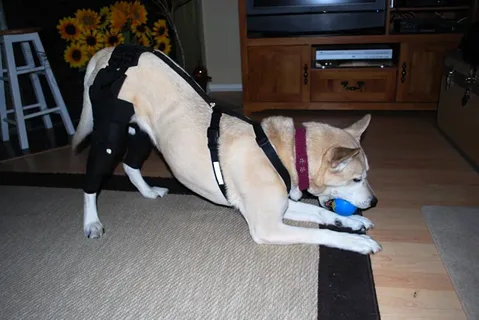
ACL injuries in dogs, medically referred to as cranial cruciate ligament (CCL) ruptures, are among the most common orthopedic problems in pets, especially active or large-breed dogs. When your dog experiences an Acl injury in dogs, it can be scary to see them limping or in pain.
Pet Soul Care helps dog owners navigate the post-operative period, offering guidance on proper care, rehabilitation, and a realistic timeline for recovery. Understanding the steps involved in ACL recovery is crucial to ensure your dog regains mobility safely and fully.
Understanding ACL Injuries in Dogs
The cranial cruciate ligament stabilizes a dog’s knee joint. A rupture or tear—commonly called an ACL injury in dogs—can result from trauma, overuse, or degenerative changes in the ligament. Breeds prone to CCL injury in dogs include Labrador Retrievers, Rottweilers, and Boxers, though any dog can be affected.
Symptoms of a dog CCL tear may include:
-
Limping or favoring one leg
-
Swelling around the knee joint
-
Difficulty standing or walking
-
Pain when touching the knee
Prompt diagnosis and treatment are essential to prevent further joint damage or chronic arthritis.
Treatment Options for ACL Injuries in Dogs
Veterinarians may recommend either surgical or conservative treatment depending on your dog’s size, age, activity level, and severity of the injury.
Surgical Options
Surgery is often the preferred approach, particularly for medium to large breeds. Common procedures include:
-
TPLO (Tibial Plateau Leveling Osteotomy): Realigns the knee joint to reduce stress on the ligament.
-
TTA (Tibial Tuberosity Advancement): Alters the knee mechanics to stabilize the joint.
-
Extracapsular Repair: Uses a suture to mimic the ligament for smaller or less active dogs.
Surgery aims to restore knee stability, reduce pain, and prevent further injury.
Conservative Management
For smaller dogs or dogs with mild injuries, veterinarians may suggest non-surgical approaches:
-
Restricted activity
-
Weight management
-
Pain management and anti-inflammatory medications
-
Physical therapy
Pet Soul Care emphasizes consulting a vet to determine the best treatment plan tailored to your dog.
Post-Op Care for Dogs After ACL Surgery
Immediate Post-Surgery Care
The first few days after surgery are critical:
-
Limit movement to prevent strain on the healing ligament
-
Monitor the incision for redness, swelling, or discharge
-
Administer prescribed pain medications and antibiotics
-
Use an e-collar to prevent licking or chewing the wound
Managing Pain and Swelling
Pain management may include NSAIDs, cold compresses, or prescribed medications. Keeping your dog comfortable helps prevent stress and promotes healing.
Nutrition and Weight Control
Maintaining a healthy weight reduces stress on the recovering knee. A balanced diet, sometimes with joint supplements, supports tissue repair and overall health.
Rehabilitation and Physical Therapy
Post-op rehabilitation is essential for regaining mobility and strength. Dog knee ligament injury recovery often includes:
-
Controlled leash walks, gradually increasing in length
-
Passive range-of-motion exercises
-
Hydrotherapy or swimming for low-impact muscle strengthening
-
Balance exercises to improve stability
Physical therapy speeds up recovery and minimizes the risk of re-injury. Pet Soul Care encourages dog owners to follow a structured rehabilitation program.
Timeline for ACL Recovery in Dogs
Recovery times vary depending on surgery type, dog size, and adherence to post-op care:
-
First 2 weeks: Rest, wound monitoring, and limited movement
-
Weeks 3-6: Gradual increase in controlled activity, continue pain management
-
Weeks 6-12: Rehabilitation exercises, light leash walks, and monitoring for swelling or limping
-
Months 3-6: Full return to normal activity for most dogs, continued joint support
Consistency and patience are key, as pushing your dog too quickly can delay healing or cause setbacks.
Complications to Watch For
Even with proper care, some dogs may experience:
-
Infection at the incision site
-
Swelling or persistent lameness
-
Meniscal tears or secondary ligament injuries
-
Arthritis in the long term
Immediate veterinary consultation is critical if complications arise.
Breeds Prone to CCL Injury in Dogs
Certain breeds are more susceptible to acl injury in dogs due to genetic or anatomical factors. Common breeds include:
-
Labrador Retrievers
-
Golden Retrievers
-
Rottweilers
-
Boxers
-
Newfoundlands
Awareness of breed predisposition allows owners to take preventive measures, such as controlled exercise, maintaining healthy weight, and early detection of limping.
Tips for a Smooth Recovery
-
Follow all veterinary instructions for medications and activity restrictions
-
Keep your dog calm and avoid high-impact activities
-
Use supportive harnesses or ramps to assist mobility
-
Schedule follow-up appointments for monitoring progress
-
Incorporate physical therapy sessions as advised
Pet Soul Care emphasizes a proactive approach to ensure your dog returns to an active, healthy lifestyle.
Conclusion
An acl injury in dogs can be challenging, but with proper treatment, post-op care, and rehabilitation, most dogs regain full mobility. From surgical options to careful home care, Pet Soul Care guides dog owners through each step of recovery.
By monitoring symptoms, adhering to a structured recovery plan, and understanding breed-specific risks, you can help your furry friend heal safely and return to their happy, playful self.

 Arabic
 Français
 Español
 Português
 Deutsch
 Türkçe
 Dutch
Dutch
 Italiano
 Russian
 Romaian