


Best Practices for Effective Industrial Ventilation System Design
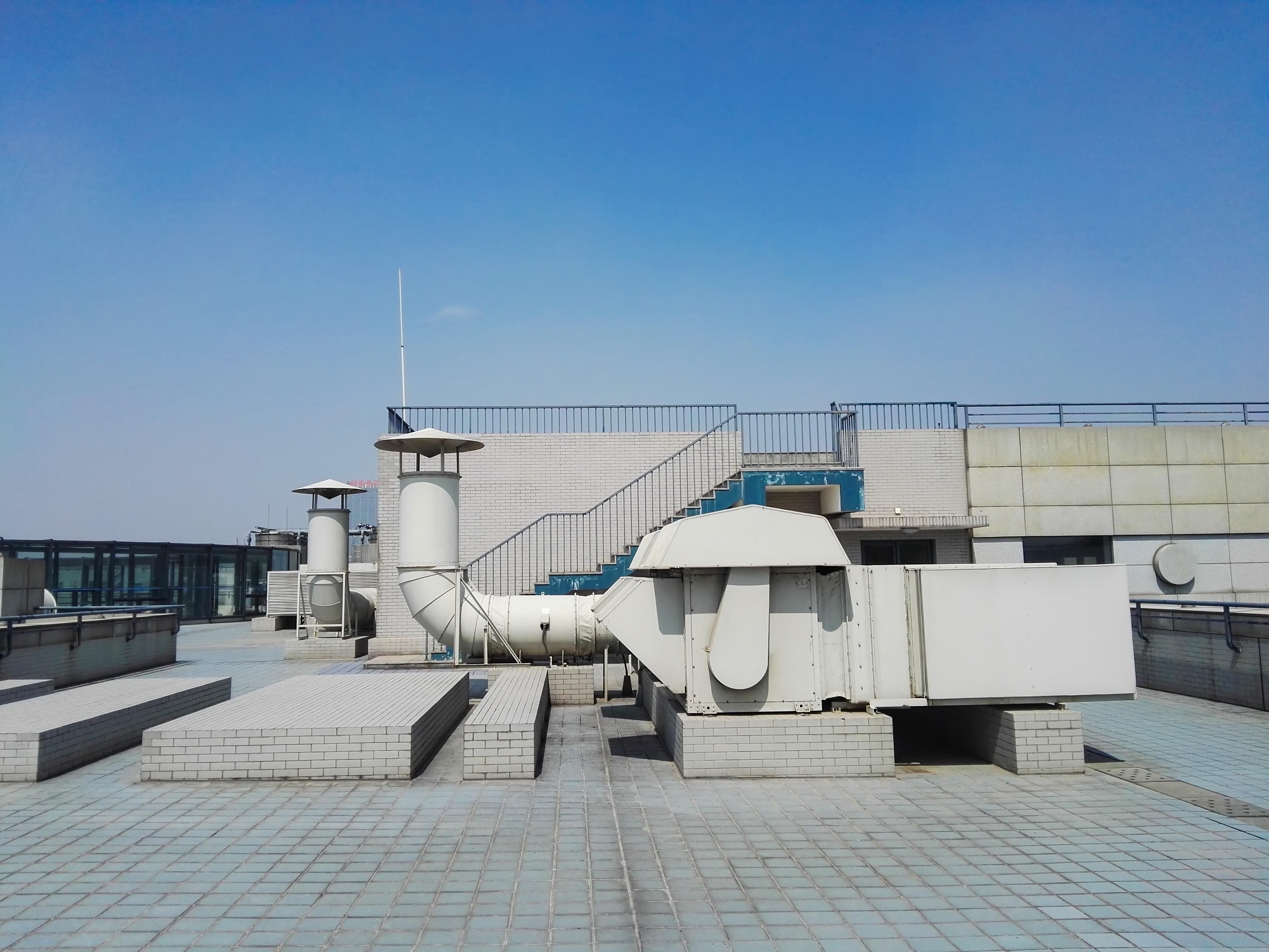
Industrial environments—from manufacturing units and chemical plants to warehouses and machining shops—produce airborne contaminants that can severely impact employee health, equipment lifespan, and overall operational efficiency. A well-designed industrial ventilation system is not just a regulatory requirement; it is a cornerstone of safe, productive, and efficient industrial operations.
However, designing an effective system involves more than selecting fans and ducts. It demands a strategic approach that considers airflow patterns, contaminant sources, energy consumption, and compliance with industry standards. Below, we explore the best practices for designing efficient industrial ventilation systems that deliver reliable performance while optimizing long-term operational costs.
1. Conduct a Detailed Assessment of Contaminant Sources
The foundation of any ventilation design is a clear understanding of contaminants present in the facility. These can include:
-
Dust, fumes, and smoke from machining or welding
-
Chemical vapors from painting, coating, or cleaning processes
-
Heat generated from heavy machinery
-
Moisture from industrial washing or cooling processes
To design an effective system, engineers must perform:
✔ Source Identification
List all pollutant-generating activities and equipment.
✔ Contaminant Characterization
Measure particle size, density, toxicity, and dispersion patterns.
✔ Exposure Analysis
Determine potential worker exposure levels and compare them with OSHA, ACGIH, and local regulatory limits.
A thorough assessment ensures the ventilation strategy is targeted, not generic, resulting in stronger performance and reduced energy waste.
2. Choose the Right Type of Ventilation: Local vs. General
Industrial ventilation typically falls into two categories:
Local Exhaust Ventilation (LEV)
Industrial Exhaust system design LEV systems capture contaminants directly at the source before they can disperse. Common examples include:
-
Welding hoods
-
Fume extraction arms
-
Dust collectors
-
Chemical fume hoods
LEV offers the highest level of control and is ideal for managing hazardous contaminants.
General Dilution Ventilation (GDV)
GDV systems spread clean air throughout the workspace to dilute airborne contaminants. They often use:
-
Exhaust fans
-
Supply fans
-
Natural ventilation openings
-
Air-handling units
While not suitable for highly toxic pollutants, GDV is effective for managing heat, odors, and low-risk airborne particles.
A hybrid approach is often the most practical solution for balanced performance and cost control.
3. Ensure Proper Airflow Direction and Pressure Management
Maintaining proper airflow patterns is essential for preventing contamination from spreading across the facility. To achieve this:
✔ Maintain Negative Pressure in Hazardous Zones
Rooms with toxic fumes or chemicals should be under negative pressure so air flows into the room, not out.
✔ Maintain Positive Pressure in Clean Areas
Control rooms, offices, and quality testing labs should have clean air pushed outward to block entry of contaminants.
✔ Plan for Cross-Contamination Control
Avoid airflow paths that move contaminated air into clean zones.
Proper pressure management ensures the entire facility works as a coherent, safe ventilation ecosystem.
4. Optimize Air Exchange Rates Based on Application
Air changes per hour (ACH) is a key metric in industrial ventilation design. Different industries require different ACH levels based on risk and air quality requirements.
Examples include:
-
Heavy welding and fabrication shops: High ACH due to fumes and particulates
-
Chemical storage rooms: Moderate to high ACH
-
Machine shops: Moderate ACH for heat and oil mist management
-
Warehouses: Lower ACH unless dealing with dust or fumes
Ventilation requirements must comply with local and industry-specific standards such as:
-
OSHA regulations
-
NFPA codes
-
ASHRAE guidelines
-
Factory Mutual recommendations
Using the appropriate ACH ensures contaminants stay below regulated levels and workers remain safe.
5. Use Energy-Efficient Ventilation Technologies
Ventilation systems can consume significant energy, especially in 24/7 industrial environments. Employing modern energy-efficient technologies can substantially reduce operational costs.
Popular energy-saving solutions include:
-
Variable Frequency Drives (VFDs) on fans
-
Heat Recovery Ventilators (HRVs) to reclaim energy from exhaust air
-
Demand-controlled ventilation using sensors for contaminants and occupancy
-
High-efficiency filtration systems that reduce static pressure losses
-
Smart controls and monitoring for real-time airflow adjustment
These technologies ensure the system operates effectively without unnecessary energy waste.
6. Prioritize Proper Duct Design and Layout
Ductwork acts as the backbone of any ventilation system. Poor duct design results in:
-
High pressure drops
-
Increased noise
-
Energy inefficiencies
-
Inadequate airflow distribution
Best practices for duct design include:
-
Use smooth, appropriately sized ducts to minimize resistance
-
Avoid sharp bends and unnecessary transitions
-
Keep ducts as short and straight as possible
-
Ensure proper balancing through dampers
-
Use sealed joints to prevent leaks
Investing in proper duct design enhances system efficiency and reduces long-term maintenance costs.
7. Select the Right Filtration and Air Cleaning Systems
Different industries require different filtration methods depending on the contaminants present.
Common filtration solutions:
-
HEPA filters: For fine particulates
-
Electrostatic precipitators: For welding fumes and smoke
-
Activated carbon filters: For odors and chemical vapors
-
Cyclone separators: For heavy dust
-
Oil mist collectors: For machining environments
The right filtration strategy not only ensures worker safety but also prolongs the lifespan of equipment.
8. Integrate Smart Monitoring and Automation
Modern ventilation systems benefit greatly from real-time monitoring and automation.
Common monitoring parameters include:
-
Airflow rates
-
Pressure differentials
-
Filter clog levels
-
Contaminant concentrations
-
Fan performance
-
Temperature and humidity
With smart systems, facilities can automatically adjust ventilation levels based on real-time data, ensuring optimal indoor air quality and reduced energy waste.
9. Prioritize Maintenance and Regular Inspections
Even the best-designed ventilation systems fail without proper maintenance. Regular inspections help prevent:
-
Unexpected breakdowns
-
Reduced airflow
-
High energy use
-
Unsafe air quality levels
Maintenance activities include:
-
Cleaning and replacing filters
-
Inspecting fans and motors
-
Checking duct leaks
-
Verifying airflow balance
-
Monitoring energy consumption
A robust preventive maintenance program ensures reliability and compliance.
Conclusion
Designing an effective industrial ventilation system design requires a comprehensive approach combining airflow engineering, contaminant analysis, energy management, and smart automation. Facilities that implement the best practices above will not only create safer work environments but also reduce energy consumption, increase equipment longevity, and meet all regulatory requirements.

 English
 Arabic
 Français
 Español
 Português
 Deutsch
 Dutch
Dutch
 Italiano
 Russian
 Romaian