


How Servo Voltage Stabilizers Improve Machine Performance & Reduce Downtime
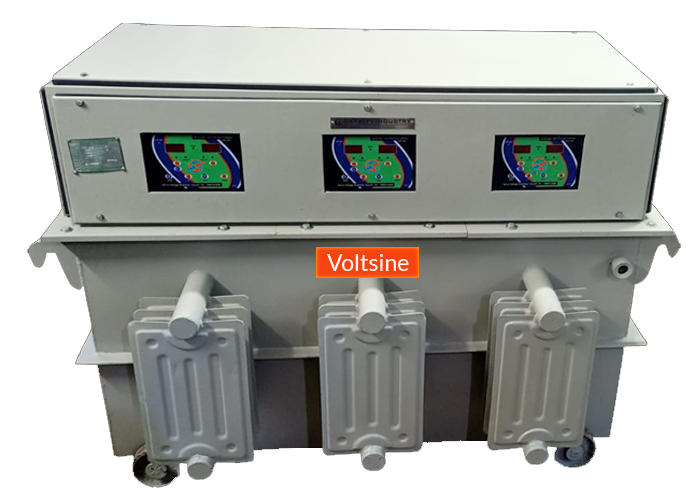
In any industrial or commercial environment, consistent power quality is essential for maintaining smooth operations. Machines, especially high-performance or precision-driven equipment, require stable voltage to function efficiently. Unfortunately, voltage fluctuations are a common challenge in many regions and can cause significant damage if left unaddressed. This is where a servo voltage stabilizer becomes indispensable.
A servo voltage stabilizer does more than correct voltage—it plays a major role in improving machine performance, reducing operational downtime, cutting maintenance costs, and enhancing productivity. This in-depth guide explains how servo voltage stabilizers work and why they are the most reliable solution for ensuring uninterrupted machine operation.
Understanding Voltage Fluctuations and Their Impact
Voltage fluctuations occur due to several reasons:
-
Sudden load changes
-
Poor distribution network quality
-
Transformer inefficiencies
-
Long-distance power transmission
-
Overloaded power lines
-
Weather conditions and grid instability
These fluctuations may be minor or severe, but their impact on machines is always negative. Equipment subjected to unstable voltage experiences:
-
Overheating of motors
-
Reduced torque and operational efficiency
-
Control panel malfunction
-
Frequent tripping or shutdown
-
Component burnout
-
Inconsistent performance
When machines fail due to poor voltage quality, production halts, deadlines are missed, and maintenance costs increase. This ultimately affects business profitability.
A servo voltage stabilizer eliminates these risks by ensuring that your machine always receives stable, clean, and precise voltage.
How Servo Voltage Stabilizers Work
To understand how they boost performance and reduce downtime, it helps to know how a servo voltage stabilizer functions.
A servo stabilizer consists of:
-
A servo motor
-
A variac (variable transformer)
-
A buck-boost transformer
-
A microcontroller-based control card
-
Protection devices such as MCB, MCCB, and surge suppressors
The stabilizer continuously senses incoming voltage. If the voltage is too high or too low, the servo motor adjusts the variac’s position, supplying either boosted or reduced voltage through the buck-boost transformer. This results in a perfectly stable output—typically within ±1% accuracy.
This step-less, smooth, and continuous correction process ensures consistent voltage supply to equipment.
How Servo Voltage Stabilizers Improve Machine Performance
A servo voltage stabilizer doesn’t just protect machines—it enhances their performance in several ways.
1. Provides Precise Voltage for Optimal Operation
Machines such as CNC systems, injection molding machines, medical equipment, and printing presses require highly stable voltage for accurate performance.
Even small dips or surges can reduce their efficiency or affect the quality of output.
A servo voltage stabilizer maintains consistent voltage regardless of fluctuations in the grid. This precision ensures:
-
Smooth operation
-
Stable machine output
-
Enhanced accuracy
-
Consistent product quality
When machines operate with precise voltage, their performance remains optimal.
2. Prevents Overheating and Mechanical Stress
Voltage fluctuations force motors and drives to work harder. This extra load results in:
-
Overheating
-
Higher energy consumption
-
Winding damage
-
Early motor failure
A servo voltage stabilizer prevents voltage drops and surges, ensuring motors operate within their safe limits. Reduced overheating means:
-
Better machine health
-
Lower thermal stress
-
Improved operational lifespan
This directly contributes to better performance.
3. Reduces Unnecessary Machine Tripping
Most machines trip automatically to protect their internal circuitry from damage when voltage deviates beyond a threshold.
Frequent tripping:
-
Interrupts production
-
Lowers productivity
-
Causes operator frustration
-
Reduces machine life
A servo voltage stabilizer maintains voltage within the machine’s safe range, preventing false trips and keeping operations continuous.
4. Ensures Stable Speed and Torque in Motors
Motors depend heavily on stable voltage for maintaining constant torque and speed. When voltage fluctuates, motors underperform or behave unpredictably.
A servo voltage stabilizer ensures:
-
Constant performance
-
Stable torque
-
Smooth motor operation
-
Accurate speed control
This is crucial in industries like textiles, plastics, printing, and packaging.
5. Improves Power Factor and Energy Efficiency
A machine struggling due to poor voltage often consumes more energy. It draws extra current to compensate for low voltage levels, resulting in:
-
Higher electricity bills
-
Overloaded wiring
-
Heat buildup
A servo voltage stabilizer improves power quality, reduces excessive current draw, and enhances the machine’s energy efficiency.
How Servo Voltage Stabilizers Reduce Downtime
Downtime is one of the biggest threats to any industry. Unplanned machine stoppages result in:
-
Reduced production output
-
Higher labor costs
-
Delays in delivery
-
Financial loss
-
Customer dissatisfaction
A servo voltage stabilizer plays a major role in minimizing downtime through the following benefits:
1. Prevents Voltage-Related Machine Failures
Up to 40% of machine breakdowns in many industries occur due to poor voltage quality. Components like drives, relays, transformers, and control circuits fail when exposed to fluctuating voltage.
By stabilizing voltage, a servo voltage stabilizer ensures:
-
Fewer electrical failures
-
Greater machine reliability
-
Longer intervals between servicing
This results in continuous operation with fewer disruptions.
2. Protects Expensive Electronic Components
Modern industrial machinery includes sensitive electronics such as PLCs, sensors, microprocessors, and servo drives. These components are highly vulnerable to voltage instability.
A servo voltage stabilizer protects these sensitive components, reducing failures such as:
-
PCB burning
-
Sensor malfunction
-
Relay coil damage
-
Drive and VFD failure
This protection greatly reduces the need for emergency repairs.
3. Reduces Overload on Maintenance Teams
Frequent machine breakdowns put unnecessary pressure on maintenance staff.
Using a servo voltage stabilizer:
-
Minimizes troubleshooting
-
Reduces emergency callouts
-
Ensures maintenance teams work more efficiently
This supports smooth plant operation with well-managed workloads.
4. Extends Machine Lifespan
Machines running on stable voltage experience less wear and tear. Components like bearings, motors, compressors, and transformers operate under safe conditions.
This results in:
-
Longer machine life
-
Lower replacement costs
-
Higher return on investment
5. Prevents Production Loss Due to Unplanned Halts
Every minute of downtime costs money. Whether it's a printing press or a molding machine, sudden stoppages lead to:
-
Wastage of raw materials
-
Rework
-
Missed deadlines
A servo voltage stabilizer prevents unwanted shutdowns and ensures continuous production, maximizing output and profitability.
Industries That Benefit the Most
A servo voltage stabilizer is suitable for almost every sector using electrical machinery. It is especially beneficial for:
-
Manufacturing plants
-
CNC and machining centers
-
Textile mills
-
Plastic injection molding units
-
Pharmaceutical industries
-
Hospitals and diagnostics labs
-
Telecom and data centers
-
Commercial buildings
-
Food processing units
Any industry requiring uninterrupted, high-precision performance can significantly reduce downtime with a servo voltage stabilizer.
Additional Advantages of Using a Servo Voltage Stabilizer
Besides performance and uptime improvements, servo stabilizers also offer:
✔ Surge and spike protection
✔ High efficiency (up to 98%)
✔ Noise-free operation
✔ Wide input voltage handling
✔ Digital monitoring and control
✔ Consistent performance in low-voltage areas
These benefits make the servo voltage stabilizer the best choice for long-term power reliability.
Conclusion
A servo voltage stabilizer is not just a safety device—it is a performance enhancer and a critical component for maintaining machine health. By supplying stable and precise voltage, it improves machine efficiency, prevents overheating, and ensures smooth operation. At the same time, it significantly reduces downtime by preventing voltage-related failures, protecting delicate electronics, and extending machine life.
For industries that demand reliability, accuracy, and uninterrupted productivity, investing in a high-quality servo voltage stabilizer is a smart and essential decision. With the right stabilizer in place, businesses can boost efficiency, minimize maintenance costs, and ensure consistent performance across all types of machinery.

 Arabic
 Français
 Español
 Português
 Deutsch
 Türkçe
 Dutch
Dutch
 Italiano
 Russian
 Romaian